
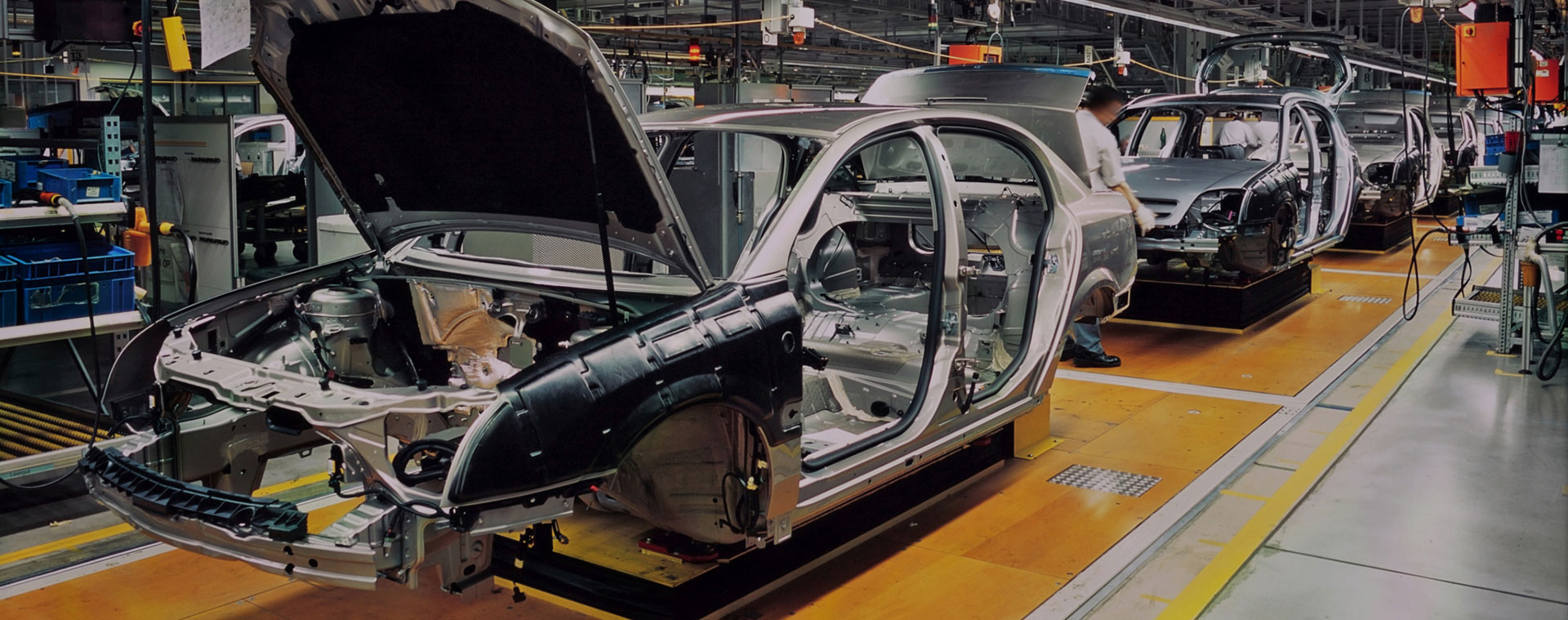
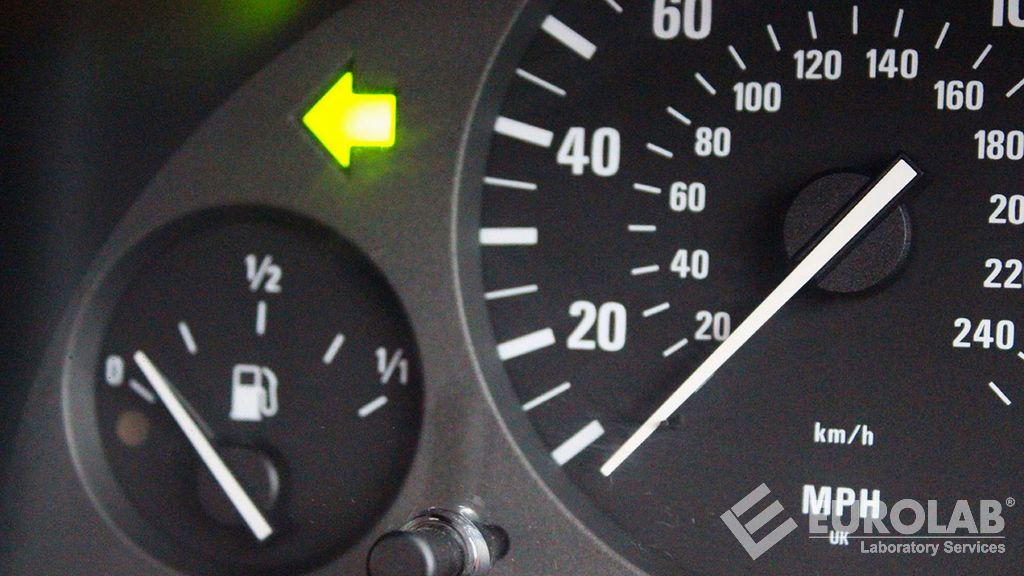
UN ECE R6 tests cover a series of tests applied in accordance with the regulation on direction indicators of vehicles in categories L, M, N, O and T.
ECE regulations define cross-border technical regulations for establishing approval or uniform approval procedures for motor vehicles and motor vehicle parts. Automated commercial vehicles are already fully eligible for approval in this respect, but only through appropriate individual measures in the country in which they will be used. What is missing is a set of rules at the international ECE level.
Regulation No. 6 of the United Nations Economic Commission for Europe (UN/ECE) — Covers the uniform provisions for the approval of direction indicators for power-driven vehicles and their trailers, and the tests applied accordingly.
According to UN ECE R6 Regulation, 'Direction indicator' means a device mounted on a motor vehicle or trailer and which, when operated by the driver, signals the driver's intention to change the direction the vehicle is moving in. This Regulation applies only to fixed-position flashing light devices, the flashing of which is produced by intermittent electric current to the lamp.
Devices must be designed and constructed in such a way that they are guaranteed to operate satisfactorily under normal conditions of use and regardless of the vibrations to which they may be subjected, and to maintain the specifications set forth in this regulation.
All measurements will be made photometrically and colorimetrically:
Direction indicators, tested and approved within the scope of this regulation, are manufactured in accordance with the approved type by providing the conditions specified in paragraphs 6 and 8 of the regulation. For the test to be considered successful, the test results must meet the requirements of the regulation.
To get an appointment, to get more detailed information or to request an evaluation, you can ask us to fill in our form and reach you.

