

UN ECE R60 tests cover a series of tests carried out in accordance with the relevant regulation to evaluate the driver controls of vehicles in categories L1 and L3.
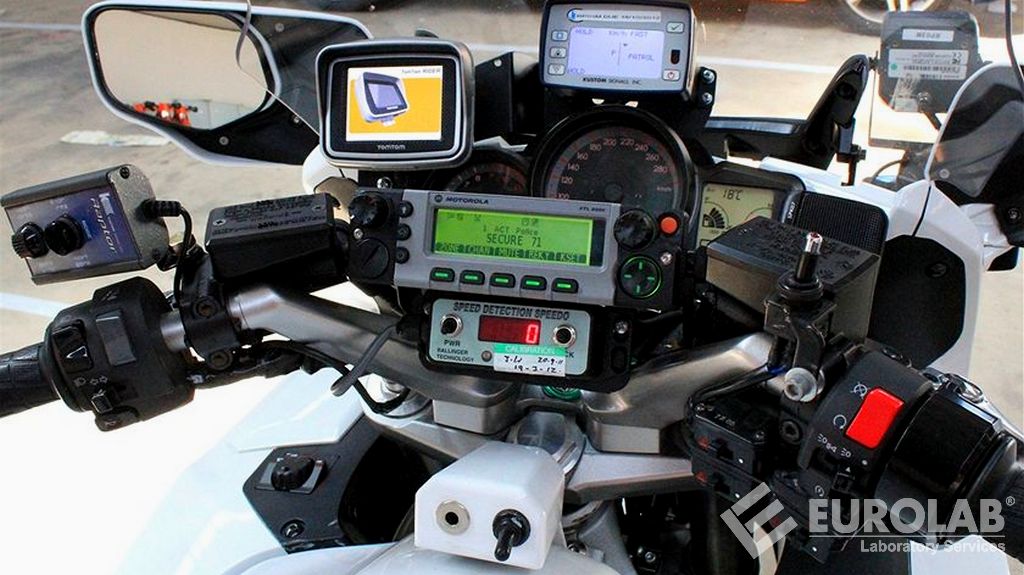
ECE regulations define cross-border technical regulations for establishing approval or uniform approval procedures for motor vehicles and motor vehicle parts. Automated commercial vehicles are already fully eligible for approval only through appropriate individual measures in the country in which they will be used. What is missing is a set of rules at the international ECE level.
Regulation 60 of the United Nations Economic Commission for Europe (UN/ECE) — Covers the uniform provisions for the approval of two-wheeled motorcycles and mopeds and associated tests with respect to driver-operated controls, including the definition of controls, indicators and indicators.
This Regulation specifies the requirements for the location, identification, lighting and operation of controls, warnings and indicators on mopeds and motorcycles.
Vehicle control equipment means any part of the vehicle or a device directly operated by the driver that alters the state or operation of the vehicle or any part of it.
Quad flasher lamps, low and high beam headlights, direction indicators, additional engine stop, buzzer, brakes and clutch controls should be designed according to the locations specified in the regulation and should always be easily accessible by the driver.
Within the scope of the regulation, many mechanical, dynamic and environmental tests are carried out as well as measurements for the approval of the relevant equipment. For tests to be considered successful, test results must meet regulatory requirements.
To get an appointment, to get more detailed information or to request an evaluation, you can ask us to fill in our form and reach you.

