

UN ECE R21 tests include the evaluation of the interior equipment of passenger cars in accordance with the relevant regulation and the tests carried out within this scope.
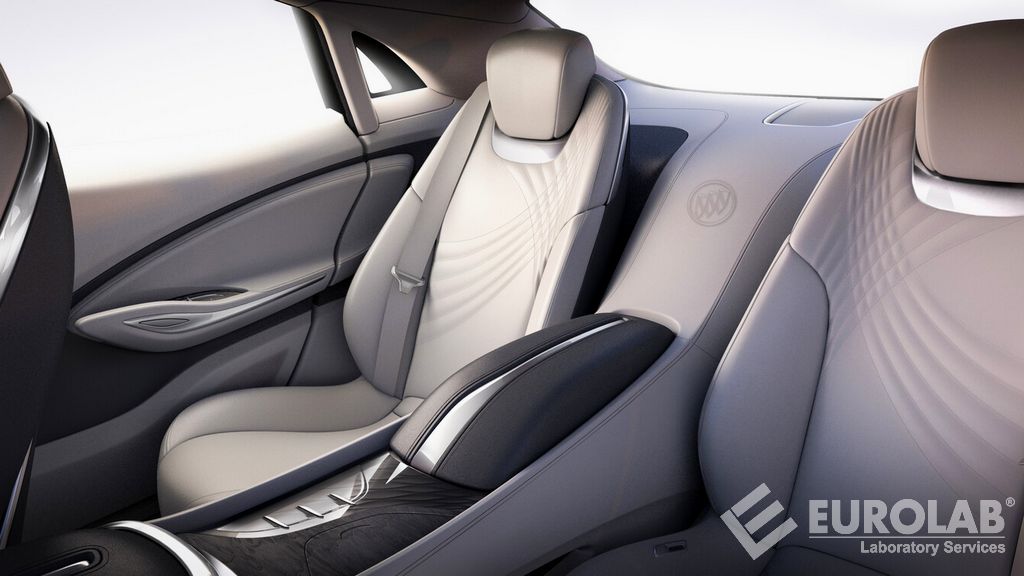
ECE regulations define cross-border technical regulations for establishing approval or uniform approval procedures for motor vehicles and motor vehicle parts. Automated commercial vehicles are already fully eligible for approval only through appropriate individual measures in the country in which they will be used. What is missing is a set of rules at the international ECE level.
Regulation No. 21 of the United Nations Economic Commission for Europe (UN/ECE) — It covers the uniform provisions regarding the approval of the interior equipment of the vehicles and the tests applied accordingly.
According to the UN ECE R21 regulation 'approval of a vehicle' means the approval of a vehicle type regarding its interior equipment.
As part of meeting the requirements of interior equipment regulation ECE R21, head shape impact tests are performed on the instrument cluster. Energy emission tests of the interior equipment of the vehicle are carried out at various selected and defined locations. In addition, it is obligatory for each manufacturer to test and approve their products in accordance with the energy consumption standards defined in the ECE R21 regulation.
For tests to be considered successful, test results must meet regulatory requirements.
To get an appointment, to get more detailed information or to request an evaluation, you can ask us to fill in our form and reach you.

