

UN ECE R43 tests cover a series of tests carried out in accordance with the relevant regulation for the evaluation of safety glass materials intended to be installed as windshield or other glass or as partitions in vehicles in the categories specified in the regulation.
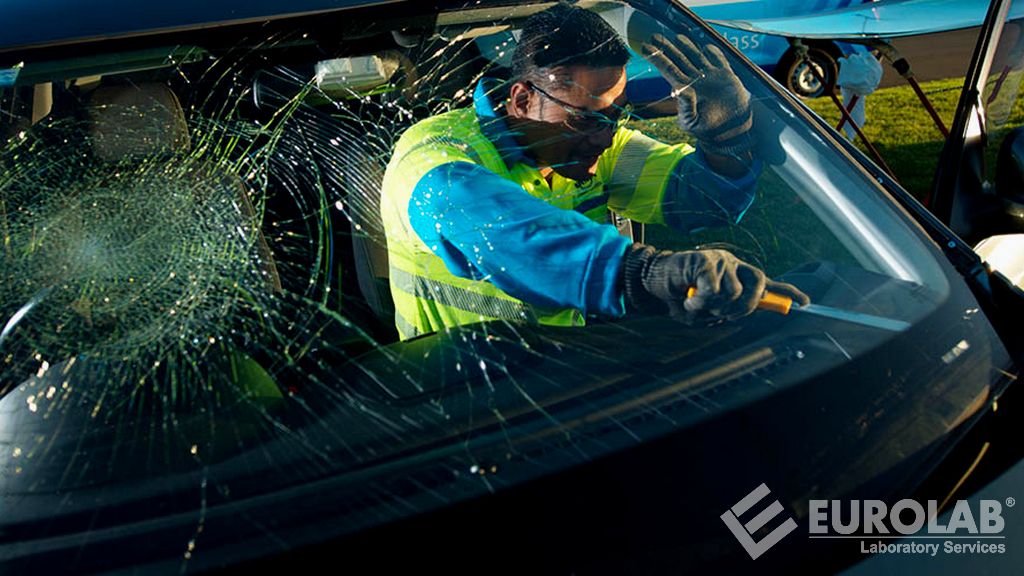
ECE regulations define cross-border technical regulations for establishing approval or uniform approval procedures for motor vehicles and motor vehicle parts. Automated commercial vehicles are already fully eligible for approval only through appropriate individual measures in the country in which they will be used. What is missing is a set of rules at the international ECE level.
Regulation 43 of the United Nations Economic Commission for Europe (UN/ECE) — It covers the uniform provisions regarding the approval of safety glass materials and their mounting on vehicles and the tests applied accordingly.
All glass materials, including glass materials used for the manufacture of windshields, must be such as to reduce the risk of bodily injury in case of breakage as much as possible. The glass material must be sufficiently resistant to events likely to occur in normal traffic, atmospheric and temperature conditions, chemical effects, burning and abrasion.
Safety glass materials shall also be sufficiently transparent, do not cause noticeable distortions to objects seen through the windshield, and shall not cause any confusion between the colors used in traffic signs and signals. Should the windshield break, the driver must still be able to see the road clearly enough to be able to brake and stop his vehicle safely.
For tests to be considered successful, test results must meet regulatory requirements.
To get an appointment, to get more detailed information or to request an evaluation, you can ask us to fill in our form and reach you.

