
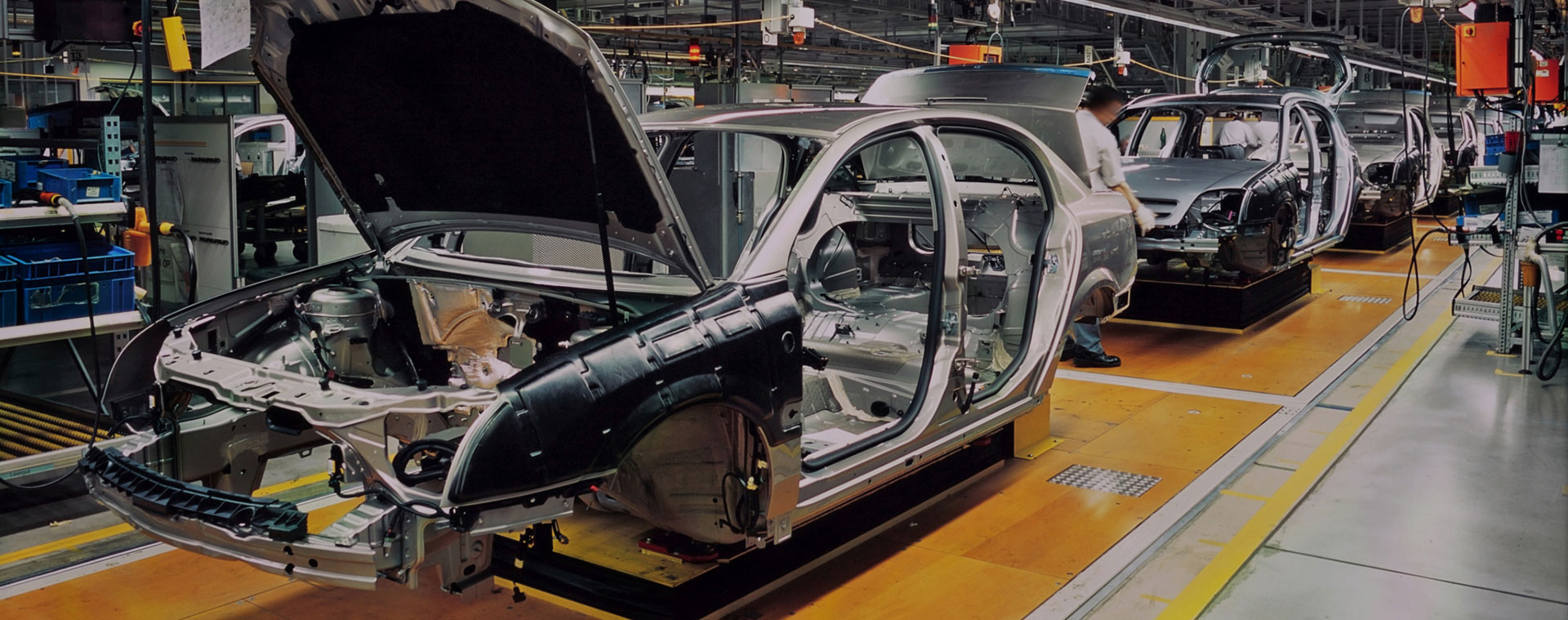
UN ECE R16 tests cover a series of tests carried out in accordance with the relevant regulation for seat belts and restraint systems intended to be installed in vehicles and intended to be used separately, ie as individual equipment, by adults sitting in front or rear facing seats.
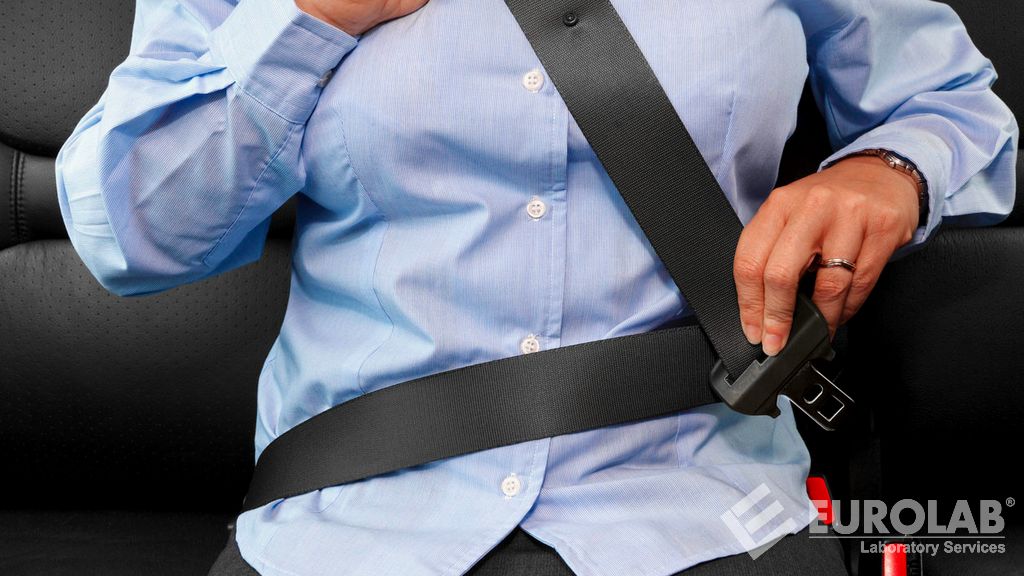
The regulation also applies to child restraint systems and ISOFIX child restraint systems designed for installation in vehicles of category M1 and N1.
ECE regulations define cross-border technical regulations for establishing approval or uniform approval procedures for motor vehicles and motor vehicle parts. Automated commercial vehicles are already fully eligible for approval only through appropriate individual measures in the country in which they will be used. What is missing is a set of rules at the international ECE level.
Regulation No. 16 of the United Nations Economic Commission for Europe (UN/ECE) — covers the uniform provisions for the approval of the following and the tests applied accordingly;
The seat belt (seat belt, belt) is a belt unit, consisting of detectable links, attached to a motor vehicle, designed to reduce the risk of injury to the user in the event of a collision or sudden deceleration of the vehicle. Such an arrangement is commonly referred to as a "belt assembly", and the term also includes any device for absorbing energy or retracting the belt.
For tests to be considered successful, test results must meet regulatory requirements.
To get an appointment, to get more detailed information or to request an evaluation, you can ask us to fill in our form and reach you.

