

The purpose of the standard "16 CFR Part 1611 Flammable Fabrics Act Regulations - Part 1611 Flammability of Vinyl Plastic Film" published under the Code of Federal Regulations (CFR) is to promulgate a minimum standard for the flammability of vinyl plastic film subject to the requirements of the Flammable Fabrics Act. The material covered by this standard is nonrigid, unsupported vinyl plastic film, including transparent, translucent, and opaque material, whether flat, embossed, molded, or otherwise surface-treated.
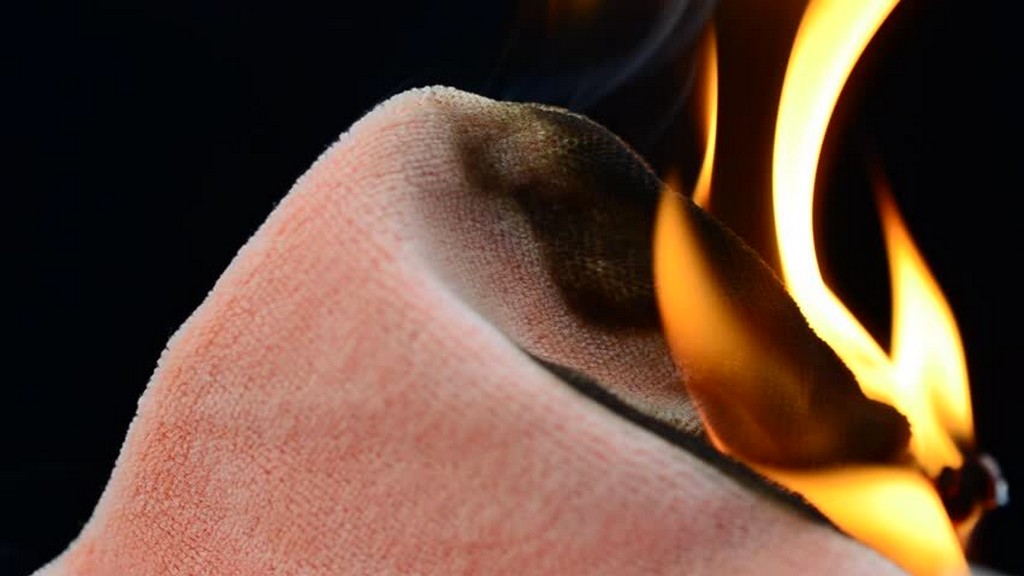
The general requirement for flammability is that when the material is tested with the SPI flammability tester in accordance with the method described in this standard, the burning rate shall not exceed 30,5 mm based on the average of five longitudinal and five transverse determinations relative to the processing direction.
The device used in flammability tests must be installed in accordance with the figure given in the standard and must consist of the following:
Test specimens shall be 76,2 mm wide by 228,6 mm long. They shall be free from folds or wrinkles. Five specimens from each direction (machine and crosswise) of a given material shall be tested. The conditioning procedure shall conform to the requirements of Method B as described in ASTM D618-21, Standard Practice for Preparation of Plastics for Testing.
The burning time should be read from the stopwatch and the burning rate should be calculated. Results deviating from the average value of all tests should be rejected if the deviation of the questionable value is more than five times the average deviation from the average obtained by excluding the questionable value. Such questionable values should be discarded and retests should be performed.
Among the numerous testing, measurement, analysis and evaluation studies that our organization has provided for businesses in various sectors, our organization also provides testing services defined in the standard “16 CFR Part 1611 Flammable Fabrics Act Regulations - Part 1611 Flammability of Vinyl Plastic Film” with its trained and expert staff and advanced technological equipment.
To get an appointment, to get more detailed information or to request an evaluation, you can ask us to fill in our form and reach you.

