

The standard "PSA D45 1333 Horizontal flammability of interior materials" developed by the French automobile company Renault defines the horizontal burning rate and flammability type of interior materials. This test can be performed on the surface material, on a composite material in which this surface material is formed in conjunction with the underlying material, and on the underlying materials.
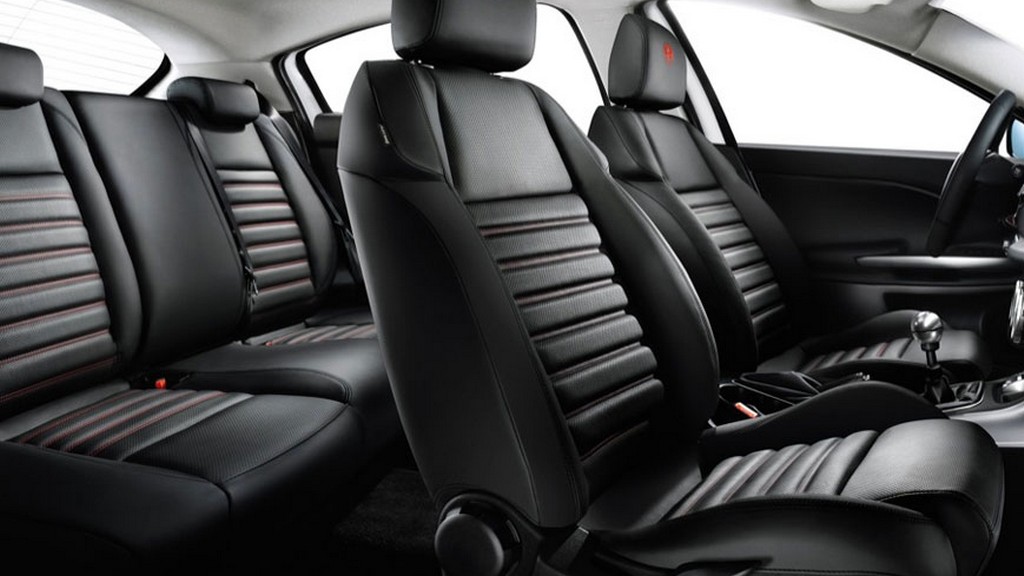
This standard includes specific conditions for the implementation of the laboratory test procedure described in the ISO 3795 and FMVSS 302 standards of the PSA Group, in order to ensure repeatability and reproducibility during measurements. In addition, materials and components must meet the flammability requirements according to the relevant legislation and regulations of the countries where they are supplied. This standard is applicable to all parts and all color variations defined in the applicable legal regulations.
For the purposes of this standard, the burning rate, the composite material and the exposed side are evaluated according to the standard “ISO 3795 Road vehicles, tractors and agricultural and forestry machinery - Determination of burning behaviour of interior materials”.
A lot is a batch produced in a single batch of the same basic composite material and which is homogeneous in nature, such as a jumbo roll or a quantity of material. Passenger compartment airspace refers to the area within the passenger compartment where renewable air is normally present.
While performing the tests, in principle, within the framework of ISO 3795 and FMVSS 302 standards, the end of a test sample held horizontally with a “U” shaped fixture is ignited. The type of combustion is observed and the burning speed between two reference marks is determined.
Measurements must be made by an accredited laboratory according to the D45 1333 standard.
When performing the tests, a combustion chamber preferably made of stainless steel with internal dimensions of 381 mm x 356 mm x 203 mm is used. The front face of this chamber is provided with a heat-resistant observation window that can cover the entire front face and can be used as an access panel. Ten holes with a diameter of 19 mm should be provided in the bottom of the chamber for ventilation and a 12,7 mm gap should be provided in the top of the chamber. Four 10 mm high feet elevate the chamber. On one side the chamber may have an opening for the placement of the test piece-fixture, on the other side7 an opening allows the passage of the gas pipe.
The molten material is collected in a bowl placed on the bottom of the chamber between the air holes without covering them. An aluminum foil can be added to facilitate cleaning of the bowl after the test. The aluminum foil is placed so that it matches the inside of the bowl without covering the air holes. The height of the bowl should not exceed 16 mm and the wall thickness should not exceed 2 mm. During the test, the combustion chamber is placed in a quiet room (air velocity not more than 0,3 m/s) and conditioned.
After each test sample is tested, the combustion chamber and test sample fixture must have a maximum temperature of 30 degrees before starting the next test.
The tests also use a test piece holder. This consists of two matching “U” shaped frames made of corrosion resistant material. The lower frame contains pins, while the upper frame contains corresponding holes to ensure good fixation of the test specimen. The pins are used as measuring points for the start and end of combustion.
The bottom of the test specimen should be 178 mm above the base plate of the combustion chamber. The distance between the edge before the test piece holder and the end of the chamber should be 22 mm.
Other equipment used in the tests includes: grid, optional mirror, gas burner, test gas, conditioned chamber, chronometers, measuring equipment (ruler, anemometer, thermometer), ventilated oven, wet stove, metal comb and fume cupboard assembly (or Sorbonne).
Samples should be representative of the quantity to be measured. To ensure this, it is necessary to know the basic characteristics of the study population. The selection criteria for the samples should be specified in the Test Report, the content of which is defined in the A10 0156 standard.
Among the numerous testing, measurement, analysis and evaluation studies that our organization has carried out for businesses in various sectors, it also provides testing services defined in the “PSA D45 1333 Interior cabin materials horizontal flammability” standard with its trained and expert staff and advanced technological equipment.
To get an appointment, to get more detailed information or to request an evaluation, you can ask us to fill in our form and reach you.

