

Plastic materials are considered a good solution for reducing aircraft fuel consumption due to their lower weight compared to metals. For an aircraft interior plastic material application to be considered, the interior materials must meet various technical requirements designed to limit the consequences of a fire in the cabin and maintain acceptable safety levels for passengers.
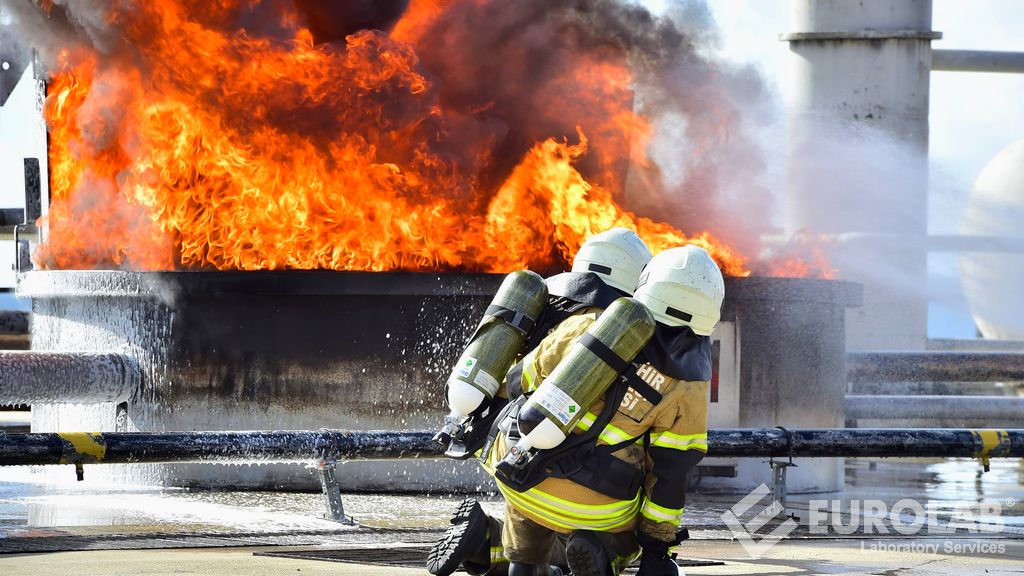
For this purpose, various fire test procedures have been developed by the American Federal Aviation Administration (FAA) to prove that aircraft materials meet certain performance criteria when exposed to heat or flame. The FAR 25.853 standard is one of them.
In general, high-performance plastic materials meet flame resistance requirements without any change. On the other hand, some standard materials are generally not used unless modified with special additives.
Today, manufacturers are developing new thermoplastic products containing flame retardant additives. These companies have a wide range of materials to meet the requirements in many aircraft interior applications such as seats, lighting, kitchens or cockpit equipment. These ready-to-use materials open up new possibilities and opportunities for design improvements in both commercial aircraft interiors and VIP aircraft interiors. These materials are designed to meet the typical demands of aircraft interiors and are a lower cost alternative to high performance materials when high mechanical performance or temperature resistance is not required.
Aircraft interior materials designed for use in an aircraft cabin environment must meet certain flammability requirements. However, it is the actual position of the part in the plane that will determine whether only the flammability test, or the entire fire, smoke and toxicity test, is required. In general, these tests include:
The requirements for the use of materials in aircraft, and particularly in aircraft interiors, are quite similar around the world and are clearly defined by various regulatory agencies.
Our organization also provides flame resistance testing services within the scope of FAR 25.853 standard, with its trained and expert staff and advanced technological equipment, among the numerous test, measurement, analysis and evaluation studies it provides for businesses in various sectors.
To get an appointment, to get more detailed information or to request an evaluation, you can ask us to fill in our form and reach you.

