

The European standard “EN 16647-1 Alcohol-fired ventless fireplaces - Safety requirements and test methods - Part 1: Manually operated decorative fireplaces for domestic use” describes the safety requirements and test methods for decorative fireplaces manufactured for domestic use only and producing a flame using liquid alcohol. The requirements specified in this standard may also apply to non-domestic settings. In this case, additional or different rules regarding the use of fireplaces may apply. This standard applies to freestanding, wall-mounted, and built-in fireplaces. It also applies to decorative fireplaces that require manual user intervention for lighting, filling, refilling, or extinguishing the fireplace. Fireplaces may contain some electrical or electronic components.
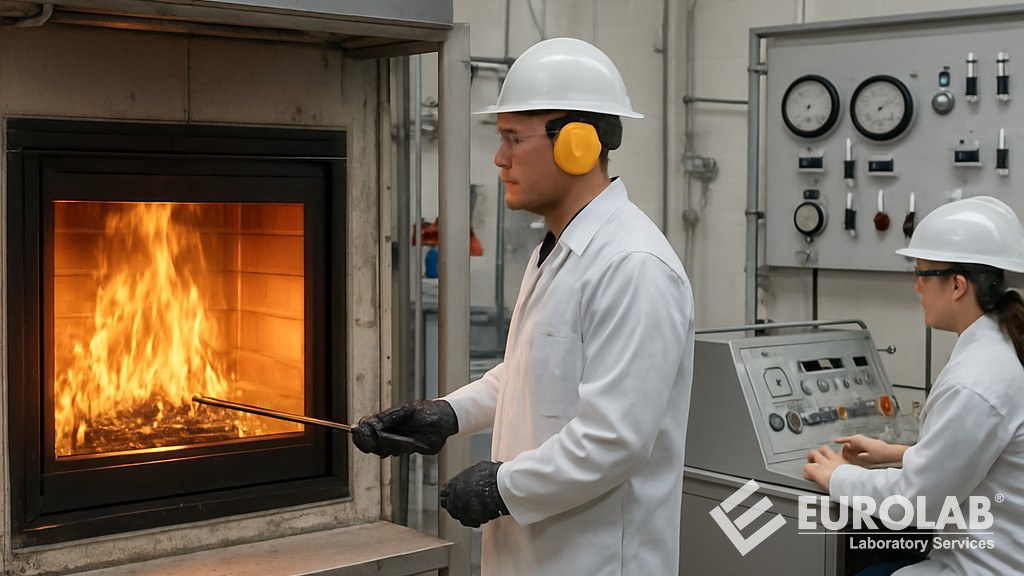
This standard applies to ready-to-use fireplaces where the fuel tank is a single unit or an integral component of the fireplace, but not to fireplaces with a separate fuel tank.
This standard does not apply to fireplaces specifically designed for heating or keeping food warm. It also does not apply to fireplaces intended for use in boats, caravans, other vehicles, or outdoor areas.
This standard does not apply to fireplaces with a power output higher than 4,5 kW or those with a defined heating function. National regulations may limit the power output to less than 4,5 kW.
The test methods defined in this standard are:
Alcohol-fueled fireplaces (bioethanol or ethanol fireplaces) have become increasingly popular in modern homes, particularly in apartments and spaces without traditional chimneys. These ventless (ventless) decorative devices produce a real flame using liquid alcohol-based fuel (typically bioethanol) or sometimes its gelatinous versions. They offer ambiance without the need for ventilation, but also bring certain safety risks such as accidental spills, flare-ups, carbon dioxide buildup in poorly ventilated rooms, burns, or unstable tipping. The EN 16647-1 standard was developed to address these concerns.
This standard replaces the previous, more comprehensive EN 16647 standard, which covered both liquid and gelatinous alcohol fuels in a single document. This standard applies only to manually operated decorative fireplaces designed for domestic use. These require user interaction for ignition, filling/refilling, and extinguishing. It covers freestanding, wall-mounted, and recessed models.
This standard focuses on appliances with integrated or single-unit fuel tanks (excluding, in some cases, refillable tanks or automatic pump systems). The maximum nominal heat output is usually limited.
The purpose of this standard is to define stringent safety requirements, structural specifications, performance and testing methods, labeling, user instructions, and warning requirements to minimize risks.
The EN 16647-1 standard incorporates rigorous testing and design criteria to prevent common accidents. Key safety considerations covered include:
Manufacturers must test prototypes according to defined methods (e.g., combustion tests, tilt stability tests, flame behavior after refilling) and provide comprehensive user manuals.
The EN 16647-1 standard is important because it directly addresses the real-world safety risks associated with alcohol-fueled (bioethanol) ventless decorative fireplaces, which have become particularly popular in houses, apartments, and urban settings where traditional chimneys are not feasible. These devices burn real open flames using liquid alcohol fuel, with or without a chimney, creating unique hazards not found in traditional fireplaces. This standard exists specifically to minimize accidents and protect users, particularly in home environments.
This standard is considered important for the following reasons:
Consequently, the EN 16647-1 standard applies to unvented fireplaces that pose very high risks of burns, fire, or indoor air pollution. This standard transforms a potentially dangerous innovation into a reasonably safe decorative feature when used correctly.
For many years, our organization, with its competent and experienced staff, has been understanding the needs of its clients, providing the advanced testing services they require, and assisting them in the establishment, implementation, and improvement of management systems. Within this framework, we also provide testing services in accordance with the EN 16647-1 standard.
To get an appointment, to get more detailed information or to request an evaluation, you can ask us to fill in our form and reach you.

