

The ISO 7202 Fire Protection - Fire Extinguishing Agents - Powder standard, published by the International Organization for Standardization (ISO), describes the requirements for the chemical and physical properties and minimum performance in defined test methods of fire extinguishing powders suitable for use against class A, B, C, and D fires. This standard includes requirements regarding the information and data that must be declared by the manufacturer. The classification of fires is found in the ISO 3941 standard.
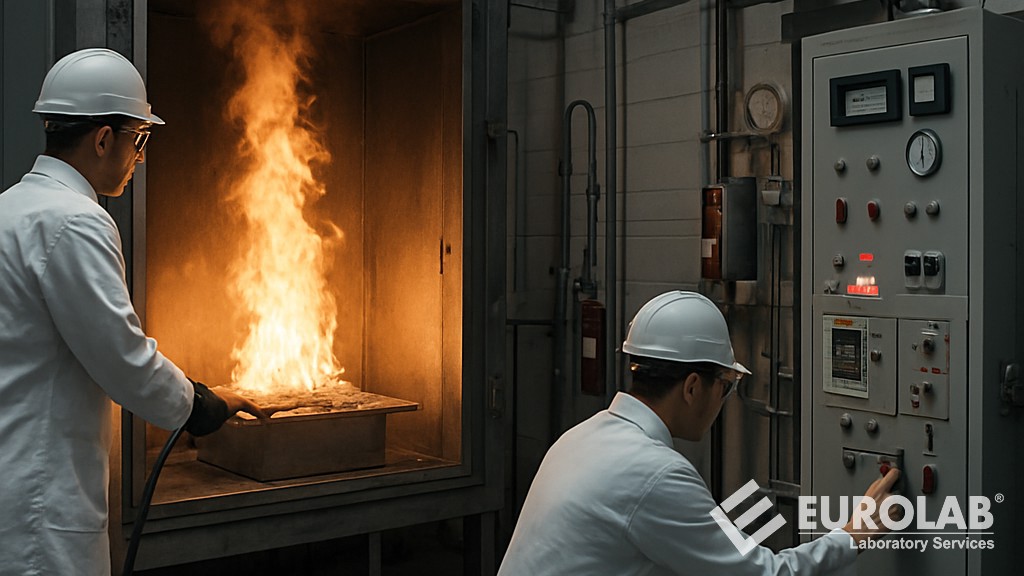
In accordance with this standard, samples for testing should be collected using a method that provides as representative a sample as possible. To prevent the risk of condensation, it is essential that the temperature of the powder in its original container is not lower than the ambient air temperature when the sample is collected. Sample containers should not be opened until temperature equilibrium with the laboratory air has been achieved.
When sampling from a batch, at least 12 kg of material should be randomly selected from the batch. For batch testing, at least 2,5 kg of material should be randomly selected from a container. Properly identified samples should be stored separately in clean, dry, airtight, non-reactive containers. A suitable sampling method is given in Annex C.
The fire performance of fire extinguishing powders should be evaluated according to the procedures given in the ISO 7165 standard:
The ISO 7202 standard specifies the requirements for dry chemical fire extinguishing powders, including minimum performance criteria based on defined test methods as well as their chemical and physical properties. These powders are designed for use against fires in the following classes:
This standard covers different types of powders, including those listed below:
This standard details requirements such as sampling, characterization, fire test performance, and specific testing of moisture content, particle size distribution, bulk density, and monoammonium phosphate content for ABC type powders.
In short, the ISO 7202 standard ensures that extinguishing powders possess the performance, stability, and safety characteristics necessary for reliable fire extinguishing. The main objectives of this standard are:
The ISO 7202 standard helps ensure that extinguishing powders function effectively in emergency situations by standardizing these aspects.
This standard also provides information about the types of fire extinguishing powders. The ISO 7202 standard primarily addresses dry chemical powders used to extinguish different classes of fires. These include:
Typical chemical components include:
The ISO 7202 standard defines several key requirements for fire extinguishing powders:
These features ensure that the powder is discharged from the fire extinguisher without any problems.
Consistency ensures that the extinguishing agent retains its effectiveness over time.
This prevents corrosion, clogging, or equipment failure.
The ISO 7202 standard provides the following test methods for evaluating powder properties:
These tests help manufacturers verify that their fire extinguishing powders meet international quality requirements.
The ISO 7202 standard is widely used in sectors where fire protection systems are vital, including:
This standard helps ensure that portable fire extinguishers and fixed systems function effectively in emergency situations.
For many years, our organization, with its competent and experienced staff, has been understanding the needs of its clients, providing the advanced testing services they require, and assisting them in the establishment, implementation, and improvement of management systems. Within this framework, we also provide testing services compliant with the ISO 7202 standard.
To get an appointment, to get more detailed information or to request an evaluation, you can ask us to fill in our form and reach you.

