

In the UL 94 standard developed by Underwriters Laboratories, plastic materials are classified in six different ways according to how they burn in various directions and part thicknesses, from the lowest flame retardant to the most flame retardant:
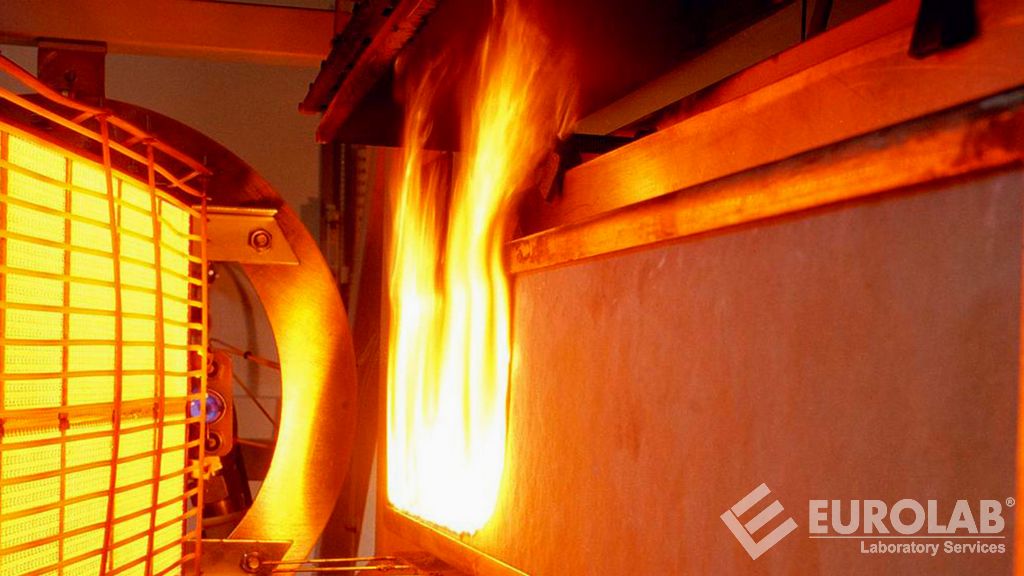
In short, the UL 94 standard is a plastic flammability standard. The requirements defined in this standard include flammability tests of polymeric materials used in the production of parts in devices. These test methods cover standard sized samples and are intended to determine the flammability properties of materials using a small open flame or radiant heat source under controlled laboratory conditions.
UL ratings parts are measured in various thicknesses and this can greatly change the UL rating of the part. If UL 94 V-0 material is sought for a thin or thick walled part, your part may fail. For this reason, it is necessary to pay attention to the wall thickness and material selection in terms of the effects of flammability.
The UL 94 standard is a standard for flammability testing of plastic materials for parts in devices and tools. Within the scope of this standard, plastic materials are subjected to various combustion tests to determine their performance under flammable conditions. In this framework, V-0, V-1 and V-2 classes are intended to evaluate both burning and flashing times after repeated flame application in a vertical combustion test and dropping of the burning test sample.
Among the numerous test, measurement, analysis and evaluation studies it provides for businesses in various sectors, our organization also provides flame classifications and flammability tests of plastic materials within the scope of UL 94 standard, with its trained and expert staff and advanced technological equipment.
To get an appointment, to get more detailed information or to request an evaluation, you can ask us to fill in our form and reach you.

