ISO 3941 Classification of Fires
The "ISO 3941 Classification of Fires" standard, developed by the International Organization for Standardization (ISO), divides different types of fires into categories, each defined according to the nature of the fuel. This type of classification is particularly useful in the context of fire protection and firefighting equipment.
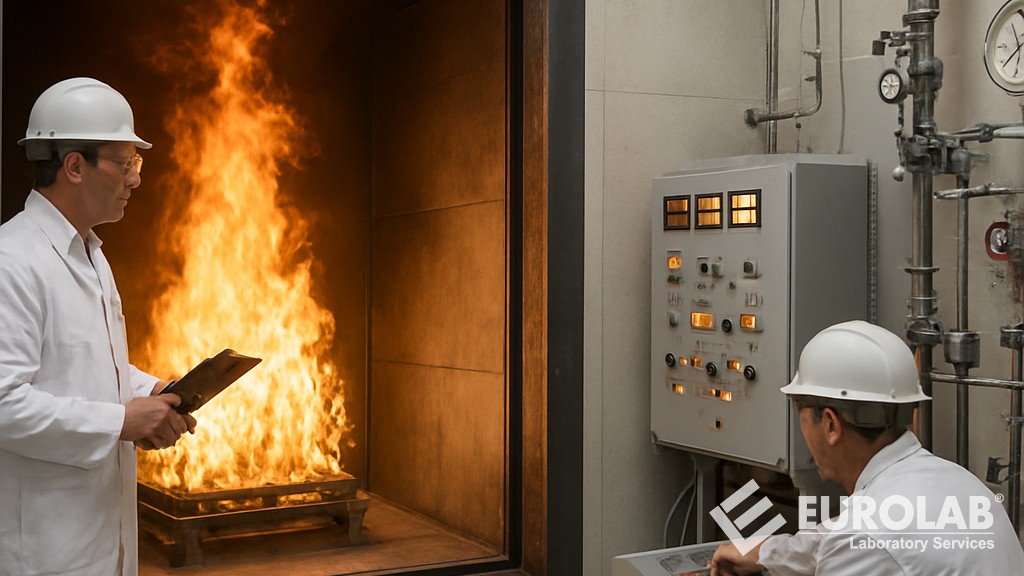
This standard defines fire classes based on the nature of the material being burned. Consequently, it does not define a specific fire class that involves electrical risk.
The following classifications are provided to facilitate the categorization of different types of fires and to make them referable orally and in writing:
- Class A: Fires involving solid materials, usually organic in nature, where combustion typically results in the formation of glowing embers. These fires include solid combustible materials (usually organic) such as wood, paper, textiles, fabrics, rubber, and many plastics. They typically produce glowing embers and ash.
- Class B: Fires involving liquids or liquefiable solids. Fires in this class involve flammable or combustible liquids (e.g., gasoline, diesel, oils, paints, solvents) or liquefiable solids (e.g., paraffin, some plastics).
- Class C: Fires involving gases. Fires in this class involve combustible gases (e.g., propane, methane, hydrogen, butane).
- Class D: Fires involving metals. Fires in this class involve combustible metals (e.g., magnesium, titanium, sodium, lithium metal (this is different from lithium-ion battery fires)).
- Class F: Fires involving cooking media (vegetable or animal fats and oils) used in cooking appliances. Fires in this class are those involving cooking media such as vegetable oils, animal fats, and similar substances in commercial or household cooking appliances (This class is equivalent to Class K in some national systems, such as the NFPA in the USA).
- Class L: Fires involving lithium-ion batteries and accumulators. Fires in this class present unique challenges, including rapid energy release, thermal escape, production of toxic and flammable gases, re-ignition risk, and potential electric shock hazards. Conventional extinguishing methods are often insufficient, and thermal control (cooling) is critical. The addition of Class L aligns fire safety practices with the lithium era, where battery-related fires are becoming an increasing concern in homes, industries, transportation, and the energy sector.
The classification system given in the ISO 3941 standard is crucial for fire safety as it helps determine appropriate extinguishing methods, equipment (such as fire extinguishers), and fire fighting strategies. This standard, along with regional norms in Europe, is widely referenced globally.
This latest version of the standard reflects the evolving fire risks associated with the widespread adoption of lithium-ion battery technology, particularly in electronic devices, electric vehicles, energy storage systems, and many other areas.
The ISO 3941 standard system is particularly useful when selecting portable fire extinguishers or fixed extinguishing systems. Using the wrong extinguishing agent can worsen the situation. For example, using water on a Class B or F fire can cause the fire to spread or explode. The classes guide training, marking, equipment labeling, and the international harmonization of fire safety regulations.
The ISO 3941 standard is an extremely important international standard because it provides a clear, globally accepted framework for classifying fires according to fuel type. This classification directly determines how to fight fires safely and effectively, preventing the spread of fire, injuries, or unnecessary damage.
The main reasons why this standard is considered important are as follows:
- It guides the selection of the correct extinguishing agent and substance: Using the wrong extinguishing method can worsen the fire, or even make it fatal. For example,
- In a class B (flammable liquid) fire, water can cause an explosive spread.
- In a Class F (cooking oil) fire, water can cause intense boiling and splattering.
- Standard substances may fail to work or may worsen a lithium-ion battery fire (now Class L).
This standard ensures that fire extinguishers, fixed systems, and extinguishing agents comply with the fire class, increasing success rates and reducing risks.
- It supports life safety and injury prevention: Correct identification and response minimize harm to people. Many fire-related injuries and deaths result from response teams using improper techniques. This standard helps firefighters, workplace safety teams, and the public select non-conductive materials for energized equipment, avoid re-ignition hazards, and account for the risks of toxic gases or explosions.
- It ensures consistent international harmonization: Fire safety regulations, training programs, equipment labeling, building codes, and insurance requirements often refer to this standard. It eliminates differences between regional systems, making global trade, shipping, aviation, manufacturing, and emergency services more consistent.
- It addresses modern and evolving risks (especially the latest revision): Lithium-ion battery fires have increased with the rise of electric vehicles, electric bikes, scooters, solar energy storage systems, phones, laptops, and grid-scale energy systems. These fires exhibit unique behaviors: thermal escape, toxic/explosive gas release, re-ignition after hours or days, and electric shock hazards. The latest revision established class L, recognizing this as a separate hazard. This ensures:
- Updated training and risk assessments.
- Development of specialized extinguishing techniques (cooling-focused, avoiding specific substances)
- Better prevention and protection strategies in homes, warehouses, transportation, and industry.
- It reduces property damage, business interruption, and economic loss: Accurate classification helps design effective fire protection systems, conduct realistic drills, and meet compliance requirements, preventing catastrophic losses in many cases in high-risk sectors such as manufacturing, logistics, and energy.
In short, the ISO 3941 standard is a fundamental tool that saves lives, protects property, and keeps pace with technology-driven fire risks in the modern world.
For many years, our organization, with its competent and experienced staff, has been understanding the needs of its clients, providing the advanced testing services they require, and assisting in the establishment, implementation, and improvement of management systems. Within this framework, we also provide testing services to businesses in accordance with the "ISO 3941 Classification of Fires" standard.



