

The EN 694 standard, a European standard, describes requirements and defines test methods for semi-rigid fire-fighting hoses for use with fixed systems. These test methods apply to hoses with the following diameter and pressure information:
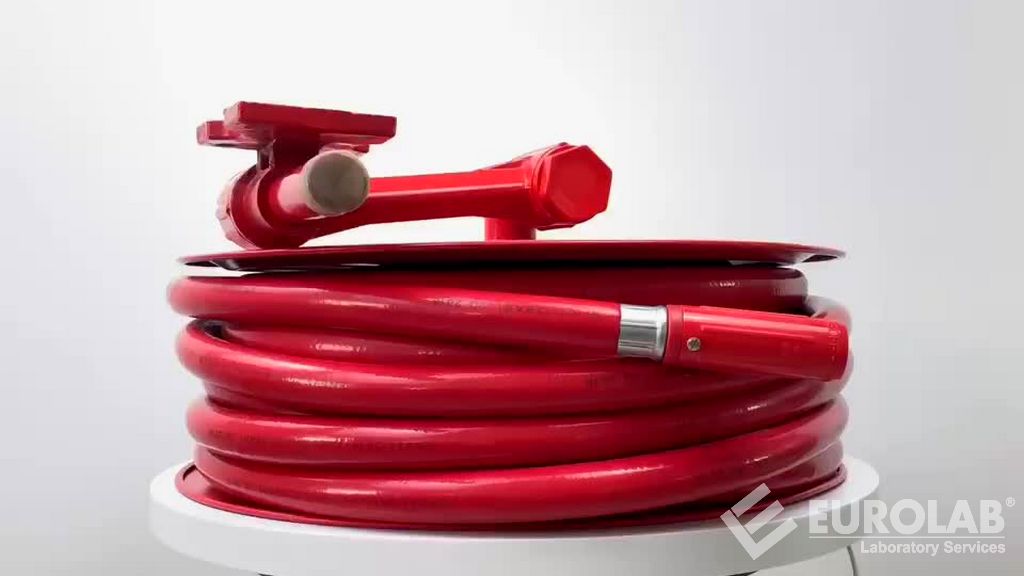
Hoses conforming to the EN 694 standard are designed for applications where long intervals occur between use cases, eg fixed fire hose reels in buildings and other construction works.
This standard only applies to fire fighting hoses intended for use in non-aggressive or non-corrosive ambient conditions in the temperature range of minus 20 degrees to plus 60 degrees. For use in ambient temperatures below minus 20 degrees Celsius, hoses can be supplied if they have been tested at the lower temperature described in the standard and are identified with the required markings. Pressure values are expressed in megapascals (1 MPa = 10 bar).
The three main features of fire extinguishing hoses are:
Corrosion damage occurs when a substance attacks the metal of the hose coupling, which degrades the original material and weakens it. Brass and aluminum are highly resistant to corrosion, but over time corrosion can still occur. Apart from corrosion, thermal damage to a fire hose can also result from exposure to extreme heat or cold. Effects such as charring, melting, freezing and cracking in the hose can weaken the hose sheath, coupling and the entire hose.
Among the numerous tests, measurements, analyses, and evaluations our organization provides for businesses in various sectors , we also offer testing services for fire extinguishing hoses and semi-rigid hoses for fixed systems within the scope of the EN 694 standard, thanks to our trained and expert staff and advanced technological equipment .
To get an appointment, to get more detailed information or to request an evaluation, you can ask us to fill in our form and reach you.

