

In the French standard "NF P92-512 Fire safety - Building - Reaction to fire tests - Determination of resistance to fire classification of materials," accelerated appearance tests have been made more sensitive to specific subjects and properties, and the resistance of the reaction classes has been increased accordingly. This resistance is much more robust depending on the nature of the material and the type of application required.
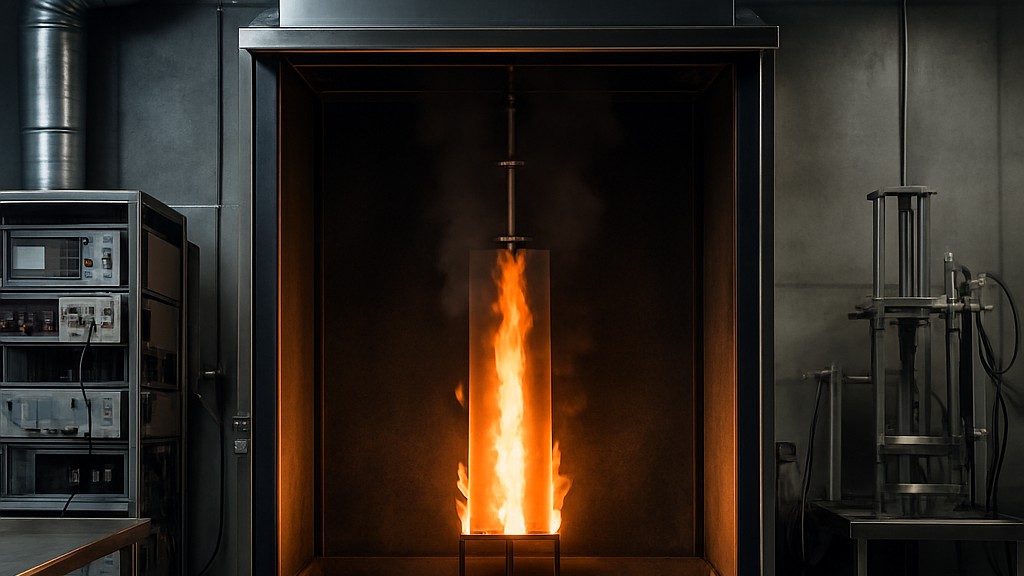
For public establishments, it is vital to comply with fire safety standards based on their activities and ability to serve the public. For example, "M1," "M2," and "M3" refer to the classifications of the fire resistance standard NF P92-512, regulated by French legislation and specifically applicable to combustible materials used in buildings, such as textiles, wall coverings, ceilings, and decorative panels.
The main purpose of the NF P92-512 standard is to classify materials according to their behavior against fire in order to ensure a certain level of safety in buildings in the event of fire.
The classification of flammability of materials consists of 6 categories according to the resistance time of the material at a certain temperature:
Most materials used in environments where fire safety is a priority are classified as M1, for example,
A material treated with M1 fire resistance will still burn and lose its properties when exposed to fire, but the flames will not spread. It helps slow the spread of flames and smoke. M1 fire treatment ensures safety when a fire starts without requiring human intervention. This is about prevention.
The NF P92-512 standard specifies accelerated aging tests to assess how long the fire response classification of building materials (e.g., wood, panels, synthetics, textiles) remains valid under various environmental stresses. This standard applies to materials such as untreated and treated wood, synthetic materials (non-textiles), and textiles for interior use. Some materials with proven aging resistance are excluded from the scope of this standard.
This standard uses accelerated aging procedures. For details, also refer to the standard “NF P92 ‑ 511 Fire safety - Building materials - Fire reaction tests (additional to test methods) - Determination of tests to be selected according to the nature and use of materials”.
The NF P92-512 standard is considered important for the assurance of fire safety over time, especially in public and commercial buildings, for the following reasons:
In short, this standard is important because it ensures that fire classifications remain valid and reliable throughout the life of a material, not just when newly tested.
Our organization, which has been supporting businesses across all sectors for years through a wide range of testing, measurement, analysis, and evaluation activities, boasts a strong team of employees who closely follow global developments in science and technology and are constantly improving themselves. In this context, we also provide testing services in accordance with the "NF P92-512 Fire Safety - Building - Reaction to Fire Tests - Determination of the Durability of Materials Reaction to Fire Classification" standard.
To get an appointment, to get more detailed information or to request an evaluation, you can ask us to fill in our form and reach you.

