

The EN ISO 10140-4 standard published by the International Standards Organization (ISO) includes basic measurement procedures for air and impact sound insulation in laboratory conditions.
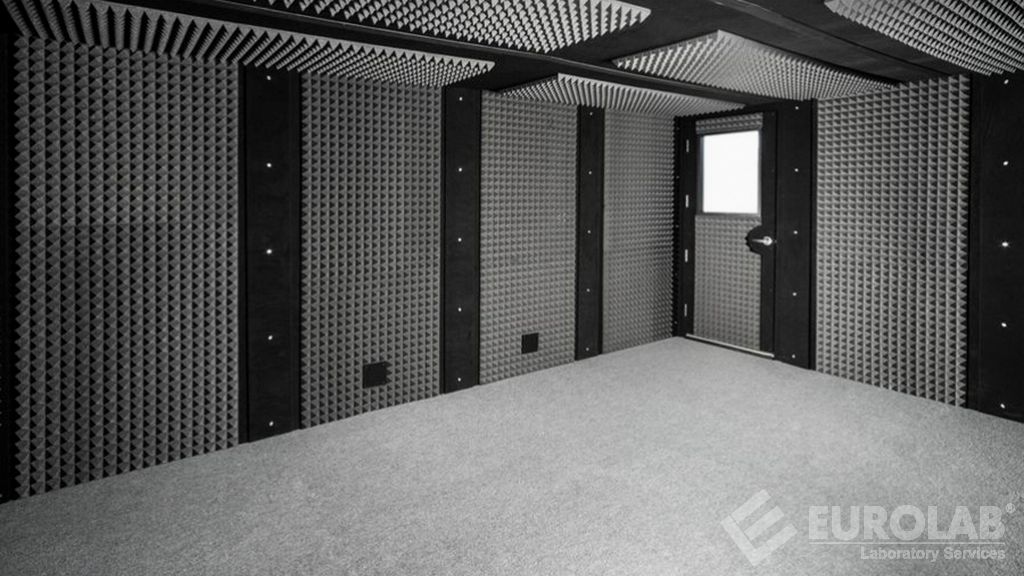
This standard, published under the general title of "Acoustics - Laboratory measurement of sound insulation of building elements", actually consists of the following sections:
The purpose of the EN ISO 10140-4 standard is to describe the procedures for carrying out measurements of airborne sound insulation (part 2) and impact sound insulation (part 3), as well as explain all basic measurement techniques and processes according to plant characteristics (part 5). The detailed content of this standard is as follows:
Some expressions used in the application of the standard have the following meanings:
Sound insulation generally includes measures taken to reduce the negative effects of noise on human health. Noise is a collection of disturbing and unwanted sounds that are emitted irregularly and at different frequencies.
Our organization also provides laboratory measurement services of sound insulation of building elements within the scope of EN ISO 10140-4 standard, with its trained and expert staff and advanced technological equipment, among the numerous test, measurement, analysis and evaluation studies it provides for businesses in various sectors.
To get an appointment, to get more detailed information or to request an evaluation, you can ask us to fill in our form and reach you.

