

Developed by Suzuki Motor Corporation as part of its plastics and polymer material standards, the “SES N 3213 Flame Retardant Plastics” standard is an automotive material specification standard that defines the requirements for flame retardant (FR) plastic materials used in vehicle components. This standard ensures that polymers used in vehicles meet stringent fire safety, performance, and regulatory compliance criteria.
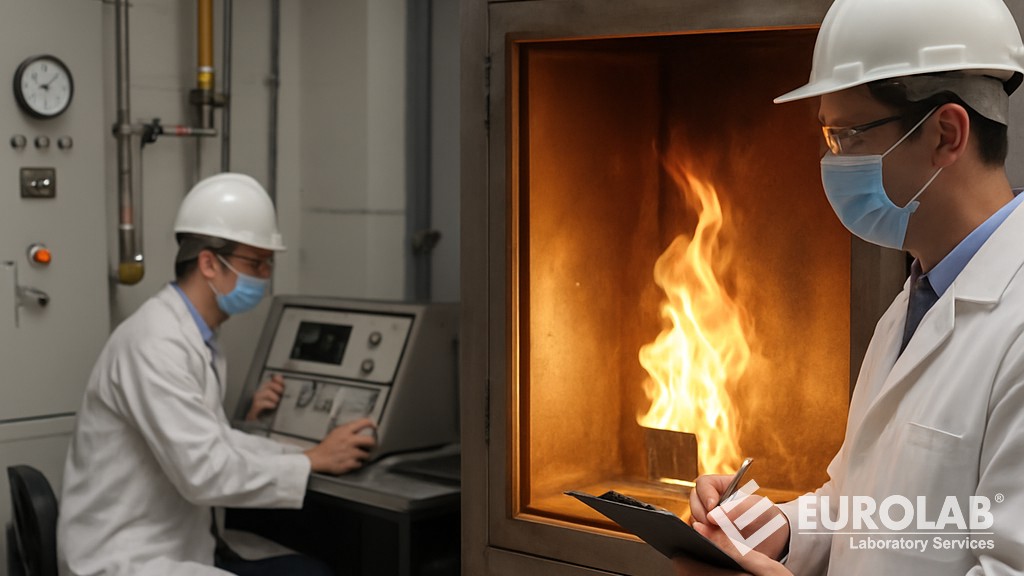
Flame-retardant plastics are engineered materials designed to prevent ignition, slow flame spread, and reduce heat release and smoke generation during combustion.
Flame-retardant plastics are polymer materials specifically designed to reduce flammability, delay ignition, and limit the spread of fire. In the automotive industry, where plastics are widely used for their lightweight properties and design flexibility, fire safety has become a critical concern, particularly with the rapid growth of electric vehicles and advanced electronic systems.
Modern vehicles contain a high percentage of plastic components, many of which are located near heat sources or electrical systems. These materials do not have adequate flame-retardant properties:
Flame-retardant plastics help to:
In electric vehicles, this is even more important due to risks such as battery thermal runaway.
Automotive flame-retardant materials must meet stringent fire testing standards, including:
These standards ensure that the materials either extinguish spontaneously or burn at a controlled rate.
Commonly used automotive plastics have flame-retardant versions including:
These polymers are modified with flame-retardant additives to meet fire safety requirements.
Flame retardant technologies include:
The main automotive applications of flame-retardant plastics are as follows:
In all these applications, flame-retardant plastics help prevent the spread of fire and provide more time for evacuation.
However, flame-retardant plastics present some challenges. Despite their benefits, these materials exhibit the following difficulties:
Balancing fire safety, mechanical performance, and sustainability is a significant engineering challenge.
The emerging trends in this area are as follows:
As vehicles become more electric, connected, and autonomous, the number of electronic components is increasing significantly. This increases the risk of fire, making flame-retardant plastics even more critical. Flame-retardant plastics play a vital role in the following areas:
Consequently, flame-retardant plastics are indispensable in modern automotive design, providing a vital layer for fire protection and safety. As the industry evolves towards electrification and sustainability, these materials continue to evolve, striking a balance between performance, safety, and environmental responsibility.
The SES N 3213 standard is considered necessary for the following reasons:
In modern vehicles, especially electric vehicles, fire hazards such as thermal runoff, electrical malfunctions, and high temperatures make flame-retardant materials indispensable.
Materials classified under SES N 3213 should generally meet the following requirements:
For many years, our organization, with its competent and experienced team, has been understanding the needs of its clients, providing the advanced testing services they require, and assisting them in the establishment, implementation, and improvement of management systems. Within this framework, we also provide testing services compliant with the SES N 3213 standard.
To get an appointment, to get more detailed information or to request an evaluation, you can ask us to fill in our form and reach you.

