SES N 3245 Flammability of Interior Materials
Developed by Suzuki Motor Corporation as part of its interior materials/textile standards, the “SES N 3245 Flammability of Interior Materials” standard is an automotive standard that defines how a vehicle's interior components should behave when exposed to fire. This standard focuses on minimizing fire risk and slowing flame spread to enhance passenger safety.
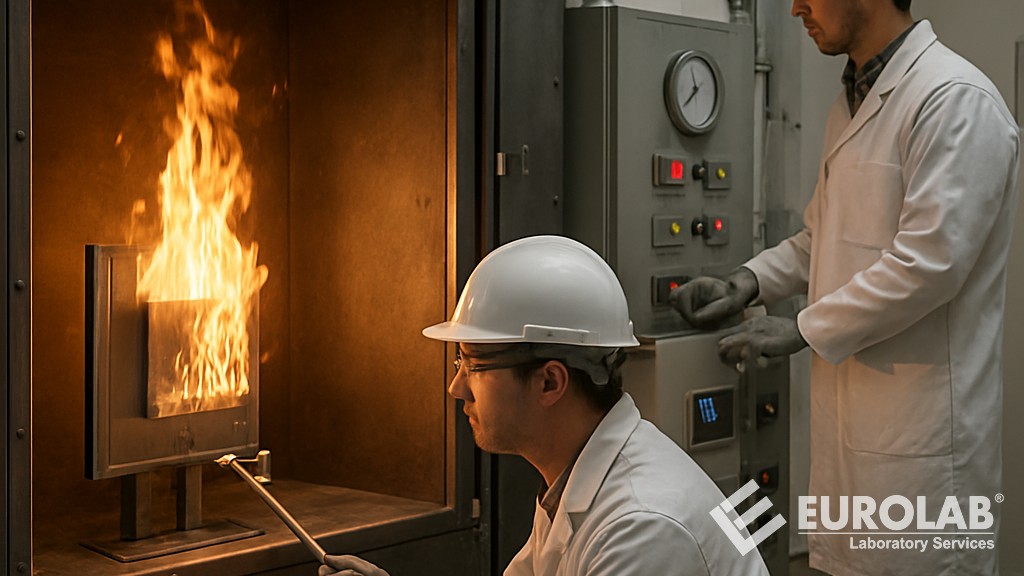
The SES N 3245 standard specifies flammability requirements and test methods for materials used inside vehicles. For example,
- Upholstery fabrics
- Carpets and floor coverings
- Ceiling tiles
- Door trim panels
- Plastic inner parts
The aim is to ensure that these materials do not ignite easily and, if they do ignite, to burn slowly and extinguish themselves.
In the automotive industry, the flammability of interior materials refers to how easily materials inside a vehicle can ignite, burn, and spread a fire when exposed to a flame or heat source.
The SES N 3245 standard defines three fundamental behaviors for interior components:
- Ignition resistance: How difficult it is to ignite.
- Burning rate: How quickly the material burns.
- Ability to extinguish spontaneously: Whether it stops burning spontaneously or not.
The concept of flammability of interior materials applies to almost everything in the passenger compartment. For example,
- Upholstery fabrics and foams
- Carpets and mats
- Instrument panel and plastic trim
- Door panels
- Ceiling covering (roofing)
- Insulation materials
The flammability of interior materials from the automotive industry is tested using the SES N 3245 standard, as well as the following standards:
- FMVSS 302 Flammability of interior materials
- ECE R118 Motor vehicles - Determination of the combustion behavior of materials used in the interior structure of specific categories of motor vehicles.
In a typical test method used to determine the flammability of interior materials, a sample is exposed to a small flame, and the rate at which the flame spreads is measured. The material should burn slowly or stop burning altogether.
Automobile manufacturers are required to comply with strict fire safety regulations worldwide. Some fabrics are highly flammable and burn rapidly; these are dangerous and are not approved. Others burn slowly and self-extinguish; these are safe and approved.
In short, flammability of interior materials means controlling how vehicle cabin materials react to fire, ensuring they don't easily ignite or spread rapidly.
The SES N 3245 standard generally follows a horizontal burn test similar to the FMVSS 302 standard. The test generally follows these steps:
- A material sample is placed horizontally in the test chamber.
- It is exposed to a small flame for a specified period of time.
- The rate of combustion is measured after the flame is removed.
- The basic measurements are as follows:
- Burn rate (mm/min)
- Whether the flame went out on its own
- Typical requirements in terms of admission criteria include:
- The combustion rate must be below a defined limit (e.g., a maximum of 100 mm/min).
- The material should not drip flammable particles.
- It should preferably exhibit spontaneous extinction behavior.
In the automotive industry, engineers select fabrics, foams, and plastics that meet the requirements of the SES N 3245 standard during material selection before production. Suppliers must test and certify their materials according to this standard. Design teams ensure all internal components are compliant at the following stages:
- Prototype phase
- Pre-production verification
- Final approval
The SES N 3245 standard is also compliant with global safety regulations.
This standard is primarily based on the following requirements:
- Passenger safety: It reduces the spread of fire inside the cabin, giving passengers more time to escape.
- Fire risk reduction: Prevents rapid ignition caused by:
- Electrical short circuits
- Overheating components
- Cigarettes or lighters
- Exposure to external fire
- Compliance with regulations: Helps manufacturers comply with international safety laws.
- Material quality control: Ensures consistent fire-resistant performance among suppliers.
The SES N 3245 standard is primarily required in the automotive industry for safety, compliance, and material performance control. The main reasons why this standard is considered important are as follows:
- Passenger safety (primary reason): Interior materials (such as seat fabrics, carpets, headliners, and plastics) must not be easily flammable or spread flames rapidly. In the event of a fire (electrical failure, accident, external fire), the materials should burn slowly and self-extinguish whenever possible. This gives passengers more time to evacuate and reduces the risk of injury.
- Compliance with regulations: This standard complies with global flammability regulations such as FMVSS 302 and ECE R118. Automobile manufacturers must comply with these regulations for the following reasons:
- Selling vehicles in international markets
- To avoid legal penalties and recalls.
- Material selection and qualification: This standard helps engineers by defining test methods and combustion rate limits.
- Choosing safe textiles, foams, and plastics.
- Comparing materials objectively
- Approving suppliers based on fire performance.
This standard ensures that only qualified, fire-resistant materials are used inside vehicles.
- Consistency in production: This standard ensures the following:
- Each batch of materials meets the same safety criteria.
- Suppliers follow consistent testing procedures.
- Differences in quality do not pose fire risks.
- Risk reduction in electrical failures: Modern vehicles have many electrical systems. In the event of a short circuit, nearby internal components should not accelerate the spread of fire. Furthermore, flame spread must be kept under control.
- Brand protection and liability reduction: This standard is for automotive manufacturers,
- It prevents catastrophic malfunctions and accidents.
- It reduces warranty claims and legal risks.
- It protects brand reputation.
In short, the SES N 3245 standard,
- It saves lives by limiting the spread of fire.
- Ensures compliance with global regulations.
- It standardizes material testing and approval.
- It reduces production and operational risks.
In conclusion, the SES N 3245 standard is a critical automotive safety standard that guarantees interior materials meet the following requirements:
- Fire resistance
- Slow burning
- Increasing passenger survival rate in fire scenarios.
For many years, our organization, with its competent and experienced team, has been understanding the needs of its clients, providing the advanced testing services they require, and assisting them in the establishment, implementation, and improvement of management systems. Within this framework, we also provide testing services compliant with the SES N 3245 standard.



