

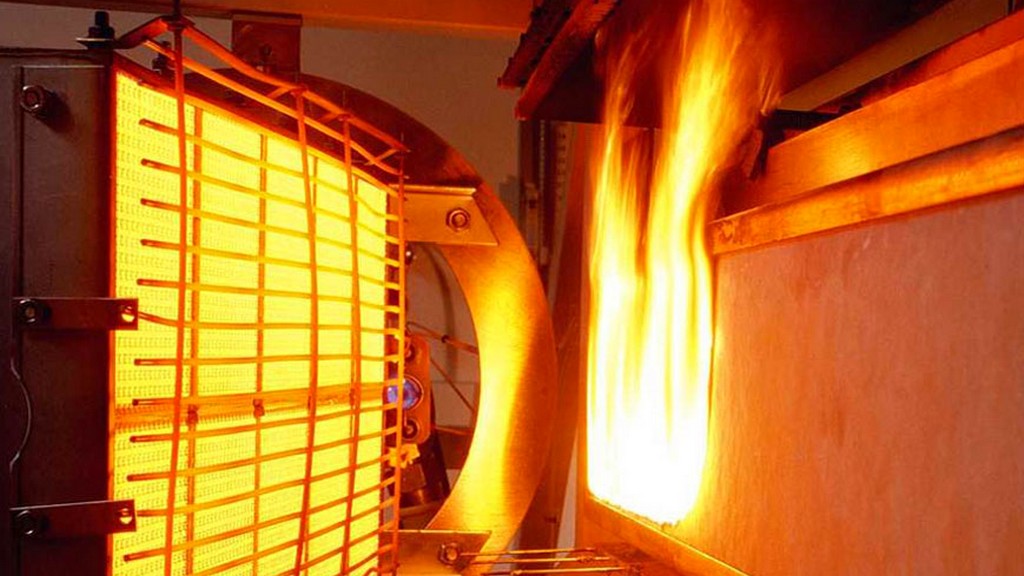
The International Maritime Organization (IMO) published standard “IMO 2010 FTP Code Part 7 - Fire test for vertically supported textiles and films” describes a procedure for vertically supported textiles such as curtains or draperies. This standard includes optional pre-test exposure conditions for non-inherent flame retardant materials. Tests shall be conducted in the warp and weft direction and shall include surface ignition tests, edge ignition tests and flaming drops. Failure points are included for after-flame time, burning to edges, ignition of cotton wool, average charring and surface flash.
If curtains, tulles and other textile materials with support are required to have flame propagation resistance properties not lower than wool with a mass per m2 of 0,8 kg/m2, they must comply with this section.
Vertically supported textiles and films are tested and evaluated in accordance with the fire test procedure specified in this standard.
Products exhibiting any of the following characteristics obtained in the fire test in the annex to this standard are not suitable for use as curtains, draperies or free-hanging fabric products in rooms containing furniture and furnishings with a limited fire risk as defined in the relevant regulations:
If, after analysis of the experimental data obtained from the tests of a fabric, it is found that one or both of the five samples cut in both the warp and weft directions do not meet one or more of the above-mentioned criteria due to the poor performance of only one of the five samples tested, a similar batch is allowed to be retested once more in full. Failure of the second batch to meet any of the criteria shall be grounds for rejecting the fabric for use.
Tests should be performed using samples of the final product. A new test is not required if only the colours change. However, a new test is required if the basic product or the processing procedure changes.
Burning of textiles can produce smoke and toxic gases that may affect the health of operators. The test area should be cleared of smoke and gases by appropriate forced ventilation after each test and then returned to the required test conditions.
For the purposes of this standard, the following definitions apply:
This test method provides information on the ability of a fabric to resist sustained ignition and flame spread when exposed to a small ignited flame. A fabric's performance in this test does not necessarily indicate its resistance to flame spread when exposed to conditions significantly different from those used in the test.
Among the numerous testing, measurement, analysis and evaluation studies that our organization has carried out for businesses in various sectors, it also provides testing services defined in the “IMO 2010 FTP Code Part 7 - Fire testing for vertically supported textiles and films” standard with its trained and expert staff and advanced technological equipment.
To get an appointment, to get more detailed information or to request an evaluation, you can ask us to fill in our form and reach you.

