

The standard "ISO 7240-25 Fire detection and fire alarm systems - Part 25: Components using radio transmission paths" published by the International Organization for Standardization (ISO) describes the requirements, test methods and performance criteria for components used in fire detection and alarm systems installed in buildings and their surroundings and using radio frequency (RF) transmission paths. This standard defines a procedure for assessing the conformity of components with the requirements of this standard.
This standard also specifies requirements for the system when components work together and this requires knowledge of the system design.
When the fire detection and alarm system uses wired and RF transmission paths, the relevant parts of ISO 7240 apply together with ISO 7240-25. The requirements for wired transmission paths are superseded or replaced by those in this standard. This standard does not restrict:
For the purposes of this standard, the following terms and definitions apply in addition to those given in ISO 7240-1:
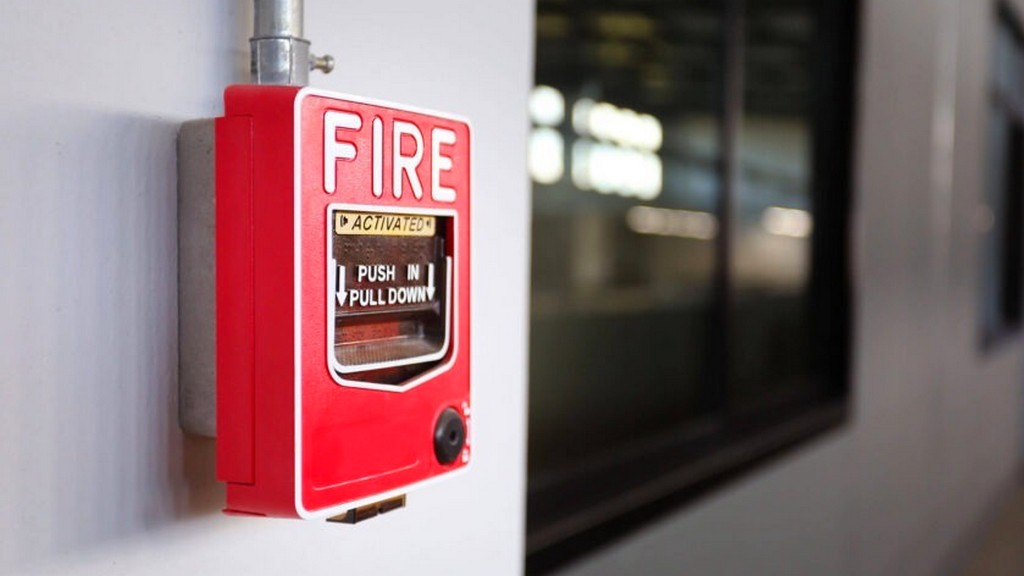
The requirements of this standard apply together with the requirements of the relevant part of ISO 7240, where the RF transmission path component has the same function as the component covered by that part and unless otherwise specified in this standard. For example, a component with an RF transmission path that has a heat detector function must comply with ISO 7240-5, and a component with a manual call point function must comply with ISO 7240-11.
The manufacturer shall provide means, either in the component itself or in the system configuration, to ensure that ground attenuation due to effects occurring on site from other causes does not adversely affect the RF transmission path such that communication between the components is not possible. Immunity to ground attenuation shall be specified as follows:
The manufacturer must provide the necessary documentation or evaluation tools that allow the full functionality of the component to be evaluated. If these tools are part of the component, the user must not be able to interfere with them.
The components of the system use a transmission protocol in the transmission path to ensure that no alarm messages are lost.
Each component using the RF transmission path is identified by a unique identification code as belonging to a specific fire detection and alarm system. The manufacturer shall provide means to ensure that a component using the RF transmission path is not accepted by other fire detection and alarm systems.
In terms of receiver performance, the receiver must meet the requirements shown in the table given in the standard, unless otherwise specified in mandatory national regulations.
The purchaser's manufacturer must provide a test report to demonstrate that the requirements of this subclause are met. If he is unable to provide such a report, the tests described in this standard must be performed.
To comply with this standard, components must meet the requirements of this standard, be verified by visual inspection or engineering evaluation, be tested in accordance with this standard, and meet the requirements of the tests.
Among the numerous testing, measurement, analysis and evaluation studies that our organization has carried out for businesses in various sectors, it also provides testing services defined in the “ISO 7240-25 Fire detection and fire alarm systems - Part 25: Components using radio transmission paths” standard with its trained and expert staff and advanced technological equipment.
To get an appointment, to get more detailed information or to request an evaluation, you can ask us to fill in our form and reach you.

