

The French standard “NF S61-112 Fire extinguishing hoses - flexible hoses in diameters 25 - 45 - 70 - 110 - 152 mm” describes the performance requirements and test methods for verifying these requirements for flexible hoses, with or without protective sheaths, in diameters of 25, 45, 70, 110, and 152 mm and abrasion classes A or B, used in fire and rescue services. This standard defines the dimensions, pressure drop, and the contents of the user manual, markings, and technical data sheet for all hoses. For DN 70 hoses, it specifies compatibility requirements with wheeled hose reels.
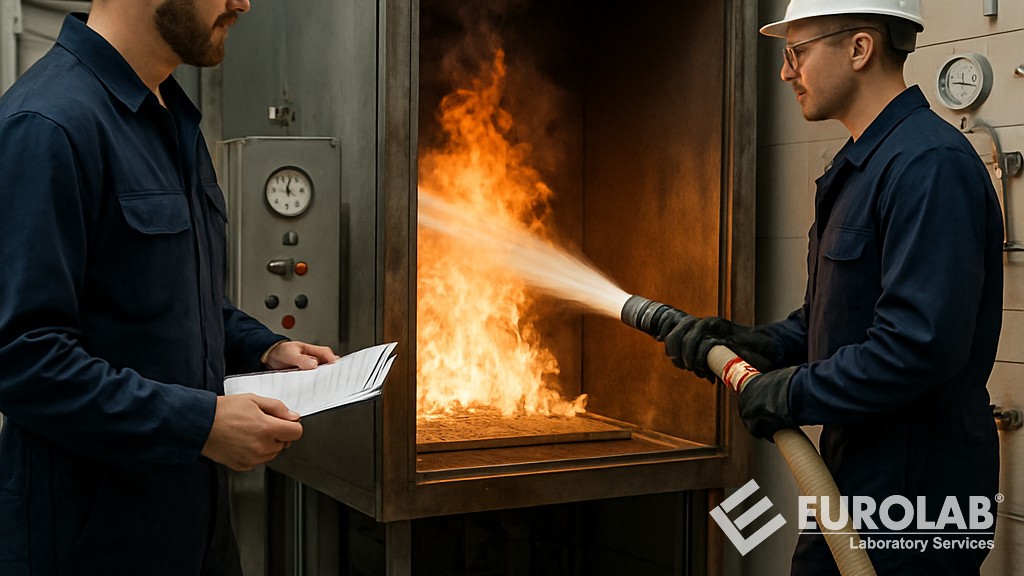
In short, this standard specifies the performance requirements for flexible conveyor hoses used in fire suppression and fire protection applications. This standard covers collapsible (straight) conveyor hoses with specified nominal diameters. These hoses are designed to convey water or extinguishing agents from a pump or hydrant to a fire nozzle or other equipment. This standard defines the following:
This standard applies to hoses with or without an external protective sheath/jacket (protective sleeve).
Hoses certified according to the NF S61-112 standard are expected to have the following characteristics:
Many manufacturers emphasize that compatible hoses remain functional over a wide temperature range (for example, some product specifications range from -30 degrees to +80 degrees) and offer a long service life (some premium models come with a 20-year warranty).
The relevant standards are as follows:
In France, fire extinguishing equipment (particularly for professional fire services and industrial safety) often requires NF S61-112 certification for flexible distribution hoses.
This standard ensures reliability and interoperability in emergency situations where rapid deployment, durability under pressure, and resistance to harsh conditions are critical.
Fire hoses are vital equipment used by professional firefighters under extreme conditions. Without a national standard, significant risks arise, including equipment failure, incompatibility, inconsistent performance, and reduced effectiveness in emergencies. The key reasons why this standard is considered important are as follows:
This standard defines stringent minimum performance levels and precise testing methods (e.g., burst pressure, wear classes A or B, pressure drop/hydraulic efficiency, dimensional stability, resistance to environmental degradation). This guarantees that a hose marked as compliant will not burst, leak excessively, or rapidly deteriorate, posing a risk to life and property.
This standard includes specific requirements for DN 70 hoses (the most common intrusion line size) regarding the following:
These ensure the hoses sit neatly on wheeled reels without violating the minimum ground clearance (e.g., 100 mm), preventing operational problems or safety hazards.
In conclusion, the NF S61-112 standard is not merely a technical specification, but a safety assurance adapted to the realities of French firefighting, ensuring hoses are durable, compatible, and high-performing in situations where seconds matter. Therefore, it is mandatory in professional contexts in France, even though international norms exist.
For many years, our organization, with its competent and experienced staff, has been understanding the needs of its customers, providing the advanced testing services they require, and assisting in the establishment, implementation, and improvement of management systems. Within this framework, we also provide testing services to businesses in accordance with the "NF S61-112 Fire extinguishing hoses - flexible hoses in diameters of 25 - 45 - 70 - 110 - 152" standard.
To get an appointment, to get more detailed information or to request an evaluation, you can ask us to fill in our form and reach you.

