

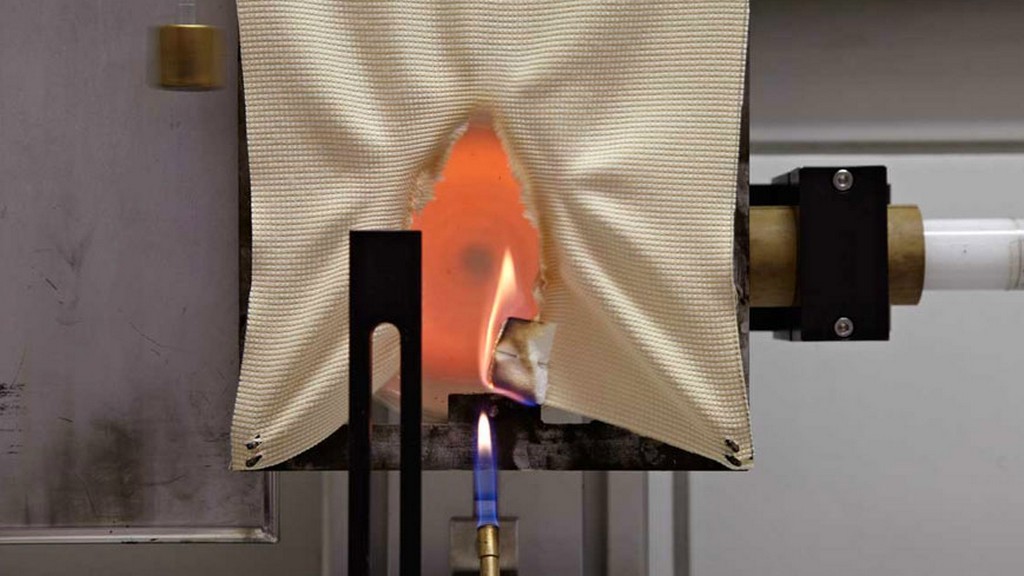
The standard “NFPA 701 Standard methods of fire tests for flame spread of textiles and films” developed by the National Fire Protection Association (NFPA) describes the fire safety requirements applied to flame-resistant materials commonly used in interior furnishings of buildings and transportation vehicles, protective clothing used in certain occupations and situations, and protective outer coverings such as tarpaulins and tents.
Builders and contractors need fire retardant plastic sheeting for a wide variety of projects, including renovations to historic buildings, commercial buildings, healthcare facilities, hospitals, theater and movie sets, haunted house attractions or temporary structures. Some local building codes require fire retardant vapor barriers installed on interior wall and ceiling sheathing or in basements.
For projects requiring fire-retardant barriers, managers should look for approved products that pass NFPA 701 testing. Any covering labeled as fire-retardant passes these standards.
The National Fire Protection Association is an organization that creates national regulations to eliminate injuries, deaths, and damages due to fire, electrical disasters, or similar problems. The NFPA 701 standard specifies test methods to evaluate flame spread for textiles and film, including draperies, tablecloths, textile hangings, tents, tarps, and plastic sheeting.
If a fabric is certified as fire retardant, it has passed the NFPA 701 test. Testing textiles and film to NFPA 701 standards is done by one of two methods, depending on the weight and material of the item being tested.
NFPA 701 tests three different factors when determining whether a material is fire resistant:
In short, the NFPA 701 standard specifies flammability for textile fabrics and films. This standard is important for businesses that rent or sell outdoor textiles that require materials such as curtains, blinds and tents to be flame retardant.
The NFPA 701 standard requires a char length of less than approximately 163 mm, a post-flame time of two seconds or less, and self-extinguishing material drops. Often, outdoor event tent users are required to have NFPA 701 certification. This standard specifies both raw fire resistance and flame retardancy and is often required by fire departments. Tents with NFPA 701 certification represent higher levels of fire safety.
There are two test methods for NFPA 701:
Among the numerous testing, measurement, analysis and evaluation studies that our organization has provided for businesses in various sectors, it also provides testing services defined in the standard “NFPA 701 Standard methods of fire tests for flame spread of textiles and films” with its trained and expert staff and advanced technological equipment.
To get an appointment, to get more detailed information or to request an evaluation, you can ask us to fill in our form and reach you.

