

The ASTM C1027 Standard Test Method for Determining the Apparent Abrasion Resistance of Glazed Ceramic Tiles, published by the American Society for Testing and Materials (ASTM) , describes a test method designed to measure the resistance of tile surfaces to apparent surface abrasion. This test method can be used to compare tiles with similar colors and surfaces. There are no provisions for comparing tiles with different colors and surfaces. Some irregular surfaces may not be accurately assessed by this test method due to abrasion patterns. This test method does not best assess the loss of gloss due to abrasion.
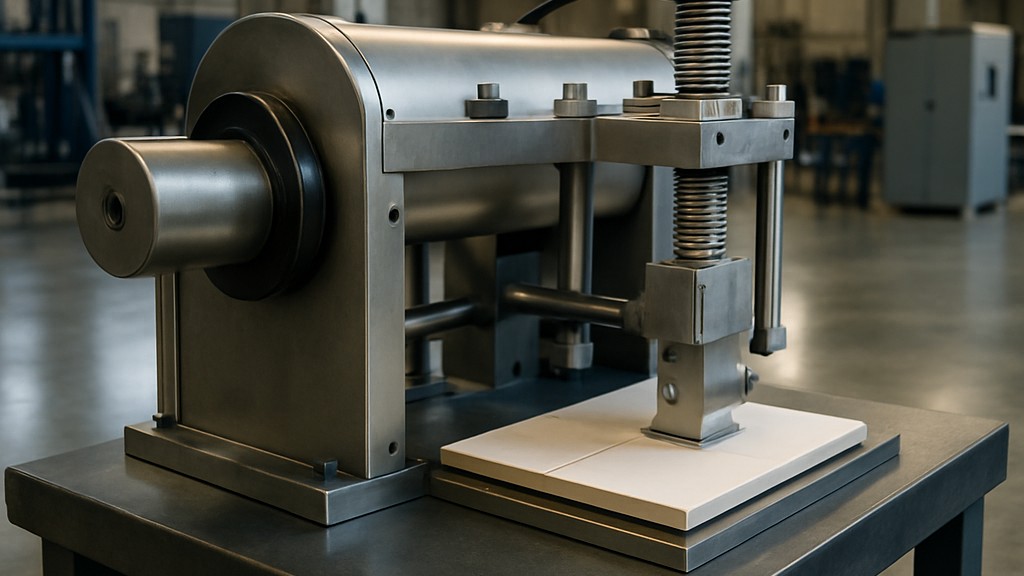
The wear resistance of tile surfaces is determined by rotating an abrasive load over the surface and assessing the resulting wear by visually comparing worn test samples with unworn tiles. A light oil-based staining agent can be used to determine whether the worn surface will mechanically trap dirt particles.
The ASTM C1027 test method, used to evaluate the abrasion resistance of glazed tiles, categorizes tiles on a scale of 0 to 5. This scale determines the point at which abrasion first appears. This method uses steel ball bearings and coarse aluminum oxide grit to abrade the tile surface. Because aluminum oxide scores 9 on the MOHs hardness scale (diamond scores 10), its use causes significant abrasion, especially on dark-colored glazes.
The ASTM C1027 standard test method helps manufacturers, architects, and consumers evaluate how well a tile can maintain its appearance when exposed to foot traffic and abrasion over time. The primary purpose of this standard is to measure the resistance of a glazed tile to visible surface wear caused by abrasion. While a tile's physical structure remains intact, surface wear can affect its aesthetics, particularly in areas with high foot traffic, such as commercial buildings, retail spaces, and densely populated residential areas. This test is particularly important for selecting tiles that are both durable and visually appealing for their intended use.
In this test, ceramic tile samples are exposed to rotating abrasive media, typically steel ball bearings combined with an abrasive powder. The abrasion is applied in cycles to simulate the wear a tile may experience over time. After every few cycles (100, 150, 600, 1500, 6000 cycles), the tile is visually inspected under controlled lighting to assess surface changes such as:
Tiles are graded according to the number of rotations they can withstand before showing visible wear. Test results are divided into six classes:
Class Abrasion Resistance (Return) Recommended Use
Using ASTM C1027 ratings allows architects, designers, and homeowners to:
For example, a tile with a Class 5 rating would be ideal for a busy airport terminal, while a tile with a Class 2 rating might be adequate for a guest bathroom floor.
However, although the ASTM C1027 standard test method provides valuable visual wear data, it does not test:
For a comprehensive evaluation, ASTM C1027 is often used in conjunction with other standards such as ASTM C373 Standard Test Methods for Determination of Water Absorption and Related Properties for Pressed Ceramic Tiles and Glass Tiles by the Vacuum Method and by the Boiling Method for Extruded Ceramic Tiles and Non-Tile Fired Ceramic White Goods Products and ASTM C648 Standard Test Method for Fracture Strength of Ceramic Tiles.
The ASTM C1027 standard is important because it ensures that glazed ceramic tiles maintain their appearance and functionality over time, especially in areas with high pedestrian traffic. This standard is considered important for the following reasons:
As a result, ASTM C1027 is an important standard for determining the aesthetic durability of glazed ceramic tiles. Understanding this classification helps users make better decisions based on the tile's ability to maintain its appearance under varying levels of foot traffic.
Our organization, which has been supporting businesses across all sectors for years through a wide range of testing, measurement, analysis, and evaluation activities, has a strong team of employees who closely follow global developments in science and technology and are constantly improving themselves. In this context, we also provide testing services in accordance with the "ASTM C1027 Standard Test Method for Determining the Apparent Abrasion Resistance of Glazed Ceramic Tiles" standard.
To get an appointment, to get more detailed information or to request an evaluation, you can ask us to fill in our form and reach you.

