

The European standard "EN 520 Plasterboards - Definitions, requirements and test methods" describes the properties and performance of plasterboards intended for use in building construction, including secondary manufacturing processes. This standard includes boards designed for direct surface decoration or gypsum plaster application.
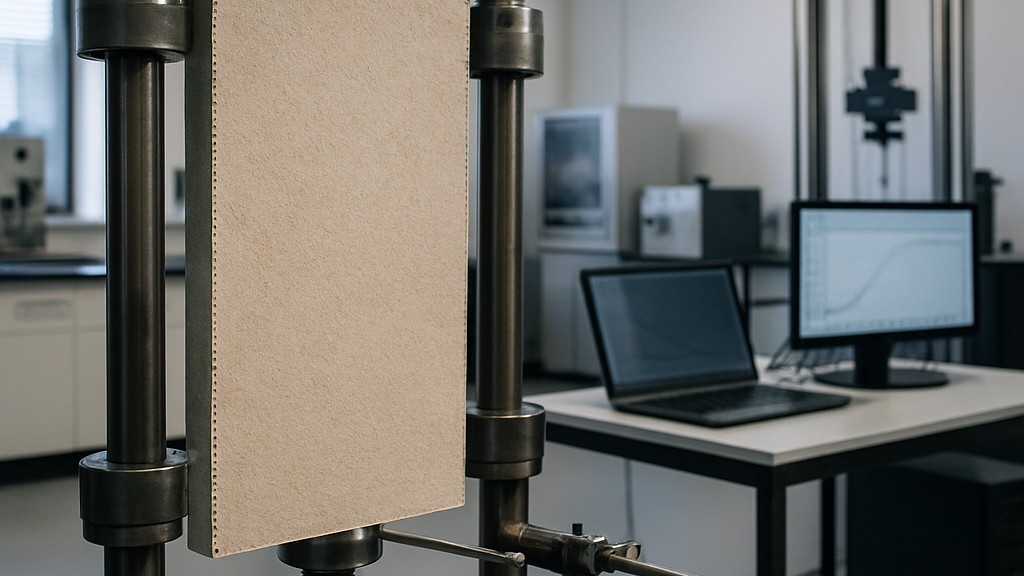
This standard covers product performance properties such as reaction to fire, water vapor permeability, flexural strength (breaking load), impact strength and thermal resistance.
The following performance characteristics are associated with gypsum board-assembled systems: shear strength, fire resistance, impact resistance, direct airborne sound insulation, and acoustic absorption. These should be measured according to relevant test methods. If necessary, tests should be conducted on assembled systems simulating end-use conditions.
This standard also covers additional technical specifications and reference tests for these specifications that are important for the product's use and acceptance by the construction industry. It enables the assessment of product conformity with this standard.
This standard does not cover gypsum boards that have undergone any secondary production processes (e.g. insulating composite panels, thin laminated gypsum boards).
In the construction world, plasterboard sheets, known as drywall or plasterboard, play a crucial role in creating smooth and durable interior walls and ceilings. These versatile materials are essential for everything from residential to commercial buildings, offering fire resistance, sound insulation, and ease of installation. The EN 520 standard was developed to ensure consistency, safety, and performance across Europe. This standard sets the benchmark for gypsum-based boards used in building construction. It remains a key element for manufacturers, builders, and regulators.
The EN 520 standard is not a technical standard, but rather a guarantee that promotes quality and interoperability in the construction industry. By defining sensitive specifications and establishing testing protocols, it helps prevent substandard products from entering the market, ultimately contributing to safer and more efficient buildings.
EN 520 is a harmonized European standard applicable to plasterboards intended for use in construction projects. It covers boards primarily made of gypsum (calcium sulfate dihydrate) sandwiched between layers of paper or other coverings and is typically available in thicknesses ranging from 9,5 mm to 25 mm and widths up to 1.250 mm. These boards can be used directly for surface decoration, as a gypsum plaster base, or in secondary production processes such as insulated panel production, but the standard does not cover fully processed composites.
The scope of the EN 520 standard is quite broad: it addresses products for non-structural applications in walls, ceilings, and partitions. However, it does not cover load-bearing elements or boards that undergo extensive secondary processing, such as lamination or impregnation, beyond basic production. This standard is aligned with the EU Construction Products Directive (CPR), ensuring eligibility for CE marking.
The EN 520 standard provides clear definitions for plasterboard types based on their composition and intended use. The standard divides the boards into the following categories:
These classifications help specifiers select the correct product, ensuring the board meets the environmental and functional requirements of the project.
The EN 520 standard includes mandatory and optional requirements to verify that plasterboards meet minimum safety and durability thresholds. Essential properties are tested under controlled conditions, and the results influence product labeling and performance declarations.
The standard requires the evaluation of the following key characteristics:
Ultimately, EN 520 exemplifies how standards foster innovation and trust in construction. By defining the elements that make plasterboard reliable, from fire safety to moisture control, it lays the foundation for safe, efficient, and adaptable modern interiors.
Our organization, with its competent and experienced team, has been understanding the needs of its customers for years, providing them with the advanced testing services they need, and assisting them in the establishment, implementation, and improvement of management systems. In this context, we also provide testing services in accordance with the "EN 520 Plasterboards - Definitions, Requirements, and Test Methods" standard.
To get an appointment, to get more detailed information or to request an evaluation, you can ask us to fill in our form and reach you.

