ASTM C472 Standard Test Methods for Physical Testing of Gypsum, Gypsum Plasters, and Gypsum Concrete
The standard "ASTM C472 Standard Test Methods for Physical Testing of Gypsum, Gypsum Plasters, and Gypsum Concrete," developed by the American Society for Testing and Materials (ASTM), describes test methods for physical testing of gypsum, gypsum plasters, and Gypsum Concrete. These test methods include:
- Fineness
- Normal consistency of gypsum plaster
- Normal consistency of gypsum concrete
- Setting time
- Setting time (temperature increase method)
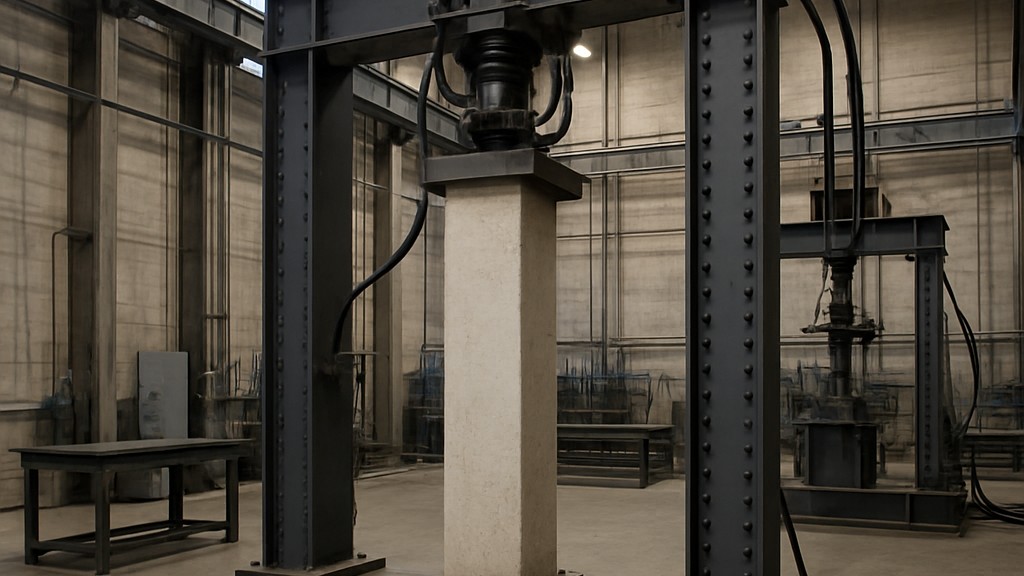
- Compressive strength
- Density
Materials include distilled or deionized water and standard sand. For each test method, the following are stated: significance and use, apparatus and procedure.
Plaster products are significantly affected by small amounts of impurities that arise from simple laboratory manipulations. To obtain accurate results, it is absolutely essential to adhere to certain precautions. For example, all apparatus must be thoroughly cleaned, and all traces of hardened plaster must be removed. A 5 mL rubber toothbrush is useful for mixing putties and mortars. Care must be taken when drying plaster, gypsum plasters, or gypsum concrete. Exceeding the specified drying temperatures can cause the samples to calcinate, resulting in inaccurate test results.
Materials such as gypsum, plasters, and gypsum concrete are commonly used in construction for applications such as wall cladding, ceilings, fireproofing, and lightweight concrete systems. Ensuring the consistent quality and performance of these materials is critical, and ASTM C472 provides a structured framework for testing key properties.
This standard covers several basic test methods designed to evaluate:
- Consistency (water-plaster ratio)
- Setting time (initial and final)
- Compressive strength
- Density
- Drying shrinkage
Each method is designed to capture the specific properties of gypsum-based products necessary to determine their suitability in various construction applications.
Several test methods described in the ASTM C472 standard are as follows:
- Consistency testing: This method determines the amount of water required to produce a paste of standard consistency. It affects workability and strength and is crucial for quality control in production and application.
- Setting time testing: Measures the time it takes for the plaster mixture to transition from liquid to hardened. The initial setting time indicates the beginning of the hardening process. The final setting time marks the point at which the material has completely set. These times are important for planning and ensuring proper workability in the field.
- Compressive strength testing: This method evaluates a material's resistance to pressure, a key factor in load-bearing and structural performance. Specimens are typically tested after curing under controlled conditions.
- Density test: Determines the mass per unit volume of the hardened material and provides insight into both structural capacity and thermal performance.
- Drying shrinkage testing: Measures the dimensional change in gypsum-based materials that occurs as they lose moisture over time. Excessive shrinkage can lead to cracking or deformation in finished applications.
The test methods described in the ASTM C472 standard are used by industries and professionals primarily for the following purposes:
- To ensure that plaster materials meet quality and performance specifications.
- Maintaining consistency between different production batches.
- To evaluate the suitability of materials for particular structural or finishing applications.
- To support research and development of new gypsum-based products.
This standard is generally applied by:
- Construction materials laboratories
- Gypsum product manufacturers
- Quality assurance teams
- Structural and civil engineers
The ASTM C472 standard is important because it ensures the quality, consistency, and performance of gypsum-based building materials. This standard is important for the following reasons:
- Ensures material reliability: This standard defines precise methods for testing properties such as setting time, compressive strength, and density—all of which are critical to how gypsum plasters and concretes perform in real-world applications. Without standardized testing, material performance can vary unpredictably, leading to construction failures.
- Supports quality control in manufacturing: Manufacturers use ASTM C472 to track production batches and verify that each one meets required specifications. This helps:
- Reducing defects
- Improving product consistency
- Building trust with clients and contractors
- Improves construction safety: By testing compressive strength and setting times, this standard helps ensure:
- Plaster products are strong enough for their intended use
- Materials are properly cured before loads or coatings are applied
This prevents premature failures, cracks or safety hazards.
- Ensures compliance with building codes: Many building codes and project specifications reference ASTM standards. Using ASTM C472 ensures that gypsum materials comply with regulations and can be used legally and safely in construction projects.
- Guides material selection and design: Architects and engineers rely on data from ASTM C472 testing to select materials with known properties:
- Fire-resistant partitions
- Lightweight concrete applications
- Interior plasters and coatings
This ensures accurate design calculations and efficient construction planning.
- Promotes industry standardization: A common testing method across manufacturers and regions ensures:
- Fair product comparison
- International trade
- Efficient research and development of new products
Ultimately, the ASTM C472 standard is important because it provides the foundation for evaluating the performance and safety of gypsum materials. This standard supports better construction quality, compliance, safety, and innovation in the building materials industry.
Our organization, which has been supporting businesses across all sectors for years through a wide range of testing, measurement, analysis, and evaluation activities, boasts a strong team of employees who closely follow global developments in science and technology and are constantly improving themselves. In this context, we also provide testing services in accordance with ASTM C472 Standard Test Methods for the Physical Testing of Gypsum, Gypsum Plasters, and Gypsum Concrete.



