ASTM C1028 Determination of Static Coefficient of Friction of Ceramic Tiles and Similar Surfaces by Horizontal Dynamometer Tensile Meter Method
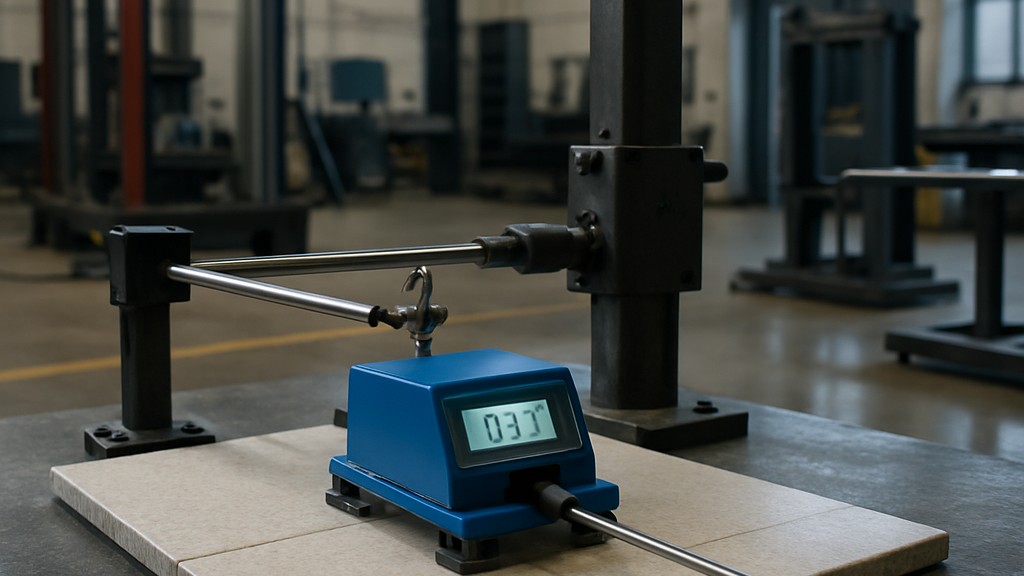
The American Society for Testing and Materials (ASTM) standard, "ASTM C1028 Standard Test Method for Determining the Static Coefficient of Friction of Ceramic Tile and Similar Surfaces by the Horizontal Dynamometer Tensile Test Method," describes a test method for measuring the static coefficient of friction of ceramic tile and similar surfaces in both wet and dry conditions using Neolite heel assemblies. This test method can be used in the laboratory or in the field.
Neolite sole is a modern shoe sole type produced with high density thermoplastic rubber and special synthetic polymer blends, offering durability and aesthetics together.
Horizontal dynamometer tensile and heel assemblies are designed to determine the static coefficient of friction of tiles and similar materials. Measurement with this device is believed to be a significant factor in determining slip resistance. The primary factors affecting slip resistance are:
- Degree of wear of shoes and upholstery material
- Presence of foreign matter such as water, oil and dirt
- Human step length at the moment of sliding
- Type of floor covering
- People's physical and mental condition
Because of the variability of these factors, this test method should be used to develop a property of the flooring surface under laboratory conditions and should not be used to determine slip resistance under field conditions unless these conditions have been fully described.
Because many variables can play a role in evaluating the slip resistance of a given surface, this test method is designed to evaluate these surfaces under both laboratory and actual field installation conditions.
The static coefficient of friction is determined on both unprepared and prepared (cleaned) test surfaces in both wet and dry conditions with Neolite heel assemblies.
For the purposes of this standard, the following terms and definitions apply:
- Coefficient of friction: It expresses the ratio of the horizontal component of the force required to overcome or tend to overcome friction to the vertical component of the weight of the object or the normal force applied to the object and causing friction.
- Friction: It refers to the resistance that develops between the physically contacting surfaces of two objects when there is movement or tendency for movement of one object relative to another, parallel to the contact plane.
- Static friction coefficient: It expresses the ratio of the horizontal component of the force applied to an object overcoming friction or sliding resistance to the vertical component of the weight of the object or the force applied to it.
Equipment used in the tests includes:
- Dynamometer tensile tester
- Weight (22 kg)
- Standard Neolite heel assemblies (two, one for wet and one for dry conditions)
- Two assemblies made of 7,62 cm x 7,62 cm Neolite material, 1,91 cm thick and made of 412,90 cm² of wood block.
- Any shine on the Neolite surface must be removed before use. To prepare the mounting surface before its first use, place 400-grit wet or dry silicon carbide sandpaper on a flat surface. Gently sand the Neolite by moving it back and forth four times, approximately 10,2 cm apart. Repeat at a 90-degree angle. This creates one surface preparation cycle. This process should be repeated for a total of 10 cycles.
- Standard tile.
The reagents and materials used in the tests are as follows:
- Silicon carbide paper (wet or dry, 400 grit).
- Hillyard's renovator no 120.
- Neolite, standard neolite cement primer.
- Cloth, sponge or paper towels.
- Distilled water.
The test procedure (dry) is as follows:
- The following surfaces are tested:
- The test area or individual test samples should not be smaller than 102 mm x 102 mm. Individual test samples of small-sized tiles such as 25 mm x 25 mm and 51 mm x 51 mm are bonded to a suitable surface to ensure the size of 102 mm x 102 mm or larger.
- The surface is tested in the received condition.
- To prepare the heel assembly surface, resurface with 400 grit wet or dry silicon carbide paper for one cycle on a flat surface before adding the 22 kg weight.
- The bead assembly is resurfaced after each tile or surface area to be tested.
- A 22-kg weight assembly with Neolite material attached is placed on the test surface. Using a dynamometer, the force required to activate the test assembly is determined. The highest value is recorded.
- The twelve values required to calculate the coefficient of static friction create four pulls perpendicular to the previous one on each of three surface areas or three test specimens.
- All values are recorded.
Calibration (wet): It is important for the operator to calibrate the mounting surface each time a test is performed. The procedure described above is repeated with one exception: the surface is saturated with distilled water, and calibration is repeated with the surface wet, ensuring the surface remains saturated. The wet calibration factor is calculated according to the formula given in the standard.
The test procedure (wet) is as follows:
- The procedure described above is repeated with one exception: The surface is saturated with distilled water and the test is repeated while the surface is wet, keeping the surface saturated.
- All readings are recorded.
When performing the test procedure using prepared test samples, test samples cleaned with Hillyard's renovator are tested both wet and dry.
Once the test is complete, the following information is reported:
- Tile or surface type
- Individual and average static friction coefficient for:
- Dry surfaces (both as received and after cleaning)
- Wet surfaces (both as received and after cleaning)
ASTM C1028 is particularly important because it provides a standardized method for measuring the static coefficient of friction of surfaces, which is critical for assessing slip resistance, a key factor in preventing slips and falls in workplaces, public spaces, and commercial buildings. This standard is considered important for the following reasons:
- Safety and liability: Slips and falls are a leading cause of injury, especially in the workplace. This standard ensures that floor surfaces meet safety thresholds to minimize the risk of such accidents. It also supports compliance with OSHA and other safety regulations.
- Standardization: Provides a consistent and repeatable method for testing friction using a horizontal tensile slipmeter. This makes it easier for manufacturers, architects, and safety professionals to objectively compare materials and surfaces.
- Design and material selection: Used in the flooring selection and design stages to ensure appropriate materials are selected for environments where slip resistance is critical (e.g., hospitals, kitchens, ramps). It helps determine whether additional safety measures (such as anti-slip coatings or textured surfaces) are required.
- Regulatory compliance: In the event of a slip and fall accident, data from ASTM C1028 tests can be used as evidence in legal cases or insurance investigations to determine whether due care was exercised.
- Maintenance and inspection: Regular testing using this standard helps building owners and facility managers monitor wear and tear on surfaces and plan maintenance or replacement before conditions become hazardous.
As a result, the ASTM C1028 standard is crucial for improving safety, ensuring compliance, and reducing liability through reliable measurement of ground surface friction.
Our organization, which has been supporting businesses across all sectors for years through a wide range of testing, measurement, analysis, and evaluation activities, boasts a strong team of employees who closely follow global developments in science and technology and are constantly improving themselves. In this context, we also provide testing services in accordance with the "ASTM C1028 Standard Test Method for Determining the Static Coefficient of Friction of Ceramic Tiles and Similar Surfaces by Horizontal Dynamometer Tensile Test Method."



