

The “ISO 9606 Welders’ Qualification Examination – Fusion Welding” standard, which is a European standard and subsequently published by the International Organization for Standardization (ISO), consists of the following subsections published under the same title:
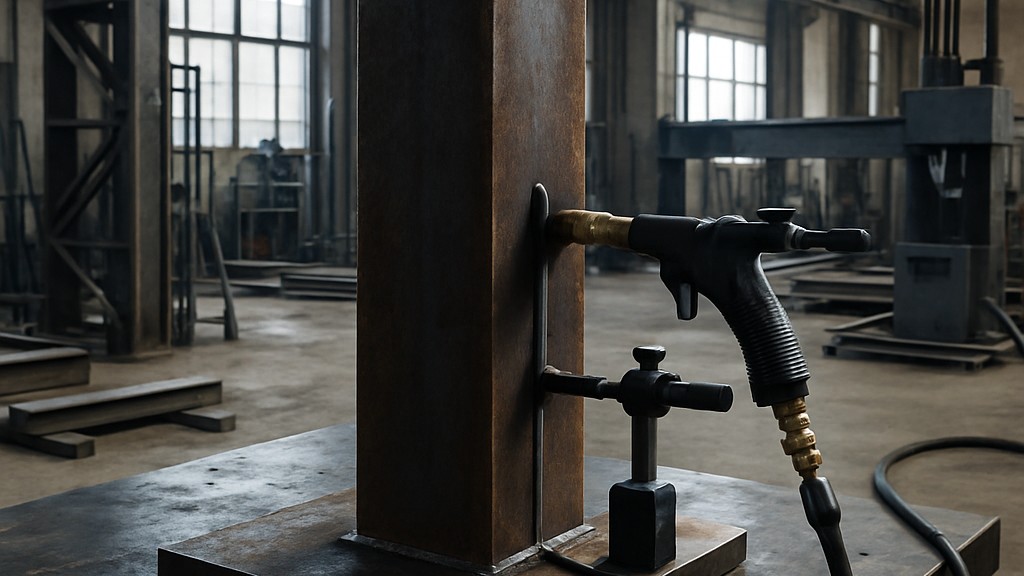
In determining the qualifications of welders, emphasis is placed on the welder's ability to manually operate the electrode, welding torch or welding lance, thereby achieving a weld of acceptable quality.
The welding processes referred to in this standard include fusion welding processes, also known as manual or partially mechanized welding. This standard does not cover fully mechanized or automated welding processes. ISO 14732 applies to these processes.
A welder's ability to follow verbal or written instructions and the verification of their skills are important factors in ensuring the quality of the welded product. Testing a welder's skill in accordance with this standard depends on the welding techniques and conditions used, adherence to uniform regulations, and the use of standard test pieces.
This applies to the conditions used in the test as to all other conditions considered easier to weld in accordance with this standard. It is assumed that the welder has received training or industrial experience to the extent of the qualification.
Qualification testing can be used to qualify a welding procedure and a welder, provided that all relevant requirements (e.g. test piece dimensions and test requirements) are met.
All new qualifications must comply with each part of this standard.
At the end of its validity period, existing welder qualification examinations in accordance with the requirements of a national standard may be revalidated against this standard. This is provided that the technical intent of this standard is met. The new scope of qualification must be interpreted in accordance with the requirements of this standard.
In the qualification of welders, emphasis is placed on the welder's ability to manually operate the welding torch and thereby produce a weld of acceptable quality.
The welding processes referred to in this standard include fusion welding processes referred to as manual or partially mechanized welding. It does not qualify fully mechanized and automated welding processes.
A welder's ability to follow verbal or written instructions and the verification of a welder's skills are important factors in ensuring the quality of the welded product. Testing a welder's skills in accordance with this document and the standard is based on welding techniques and conditions used, following standard rules and using standard test pieces.
The principle of this standard is that a qualification test qualifies the welder not only for the conditions used in the test but also for all joints that are considered more easily weldable assuming the welder has received specific training and has industrial experience within the scope of the qualification.
Qualification testing can be used to qualify a welding procedure and a welder, provided that all relevant requirements (e.g. test piece dimensions) are met.
This standard is intended to form the basis for mutual recognition by testing bodies for the approval of welders' qualifications in various application areas. Tests are conducted in accordance with this standard unless more stringent tests are specified by the relevant application standard.
During the approval test, the welder must be required to have sufficient practical experience and working knowledge (testing is not mandatory) of the welding processes, materials and safety requirements for which he or she will be approved.
This standard applies when welder approval testing is required by the purchaser, regulatory authorities, or other organizations. The welding processes referenced in this standard include fusion welding processes designated as manual or partially mechanized welding. It does not cover fully mechanized or automated processes.
This standard covers the approval tests of welders working on semi-finished and finished products made from the types of forgings, wrought or cast materials listed herein. The approval test certificate is issued solely under the responsibility of the examiner or testing organization.
This standard specifies the principles to be followed in the confirmation testing of welder performance for fusion welding of copper and copper alloys. The term "copper" refers to copper and weldable copper alloys.
Testing a welder's ability and ability to follow verbal or written instructions are important factors in ensuring the quality of the welded product. Skill testing in accordance with this standard is based on welding procedures that adhere to uniform rules and test conditions and use standard test pieces. Test welding can be used to certify a welding procedure and a welder, provided all relevant requirements (e.g., test piece dimensions) are met.
This standard is intended to form the basis for mutual recognition by testing bodies for the approval of welders' qualifications in various application areas. Tests are conducted in accordance with this standard unless more stringent tests are specified by the relevant application standard.
During the approval test, the welder must be required to have sufficient practical experience and working knowledge (testing is not mandatory) of the welding processes, materials and safety requirements for which he or she will be approved.
This standard applies when welder approval testing is required by the purchaser, regulatory authorities, or other organizations. The welding processes referenced in this standard include fusion welding processes designated as manual or partially mechanized welding. It does not cover fully mechanized or automated processes. This standard covers approval testing for welders working on semi-finished and finished products made from the types of forgings, forgings, or castings listed here. The approval test certificate is issued under the sole responsibility of the examiner or testing organization.
This standard is intended to form the basis for mutual recognition by testing bodies for the approval of welders' qualifications in various application areas. Tests are conducted in accordance with this standard unless more stringent tests are specified by the relevant application standard.
At the time of the approval test, the welder must have sufficient practical experience and working knowledge (testing is not mandatory) of the welding processes, materials, and safety requirements for which he or she is to be approved. This standard applies when the welder's approval test is requested by the purchaser, inspection bodies, or other organizations.
The welding processes referred to in this standard include fusion welding processes designated as manual or partially mechanized welding. It does not cover fully mechanized or automated processes. This standard covers approval testing for welders working on semi-finished and finished products made from the types of wrought, forged, or cast materials listed herein. Approval test certificates are issued solely under the responsibility of the examiner or testing organization.
Testing a welder's ability and ability to follow verbal or written instructions are important factors in ensuring the quality of the welded product. Skill testing in accordance with this standard is based on welding procedures that adhere to uniform rules and test conditions and use standard test pieces. Test welding can be used to certify a welding procedure and welder, provided all relevant requirements (e.g., test piece dimensions) are met.
In short, ISO 9606 is an international standard that specifies the requirements for qualification testing of welders performing fusion welding of metallic materials. This standard plays a crucial role in ensuring welder qualification and the quality of welded components in various industries, including construction, manufacturing, aerospace, shipbuilding, and energy. Each section of this standard outlines:
Our organization, which has been supporting businesses across all sectors for years through a wide range of testing, measurement, analysis, and evaluation activities, has a strong team of employees who closely follow global developments in science and technology and are constantly improving themselves. In this context, we also provide testing services in accordance with the "ISO 9606 Welders' Qualification Examination - Fusion Welding" standard.
To get an appointment, to get more detailed information or to request an evaluation, you can ask us to fill in our form and reach you.

