

A European standard, “EN 1991-1-1 Eurocode 1: Actions on structures - Part 1-1: General actions - Densities, self-weight, applied loads for buildings”, provides design guidance and actions for the structural design of buildings and civil engineering works, including some geotechnical aspects for:
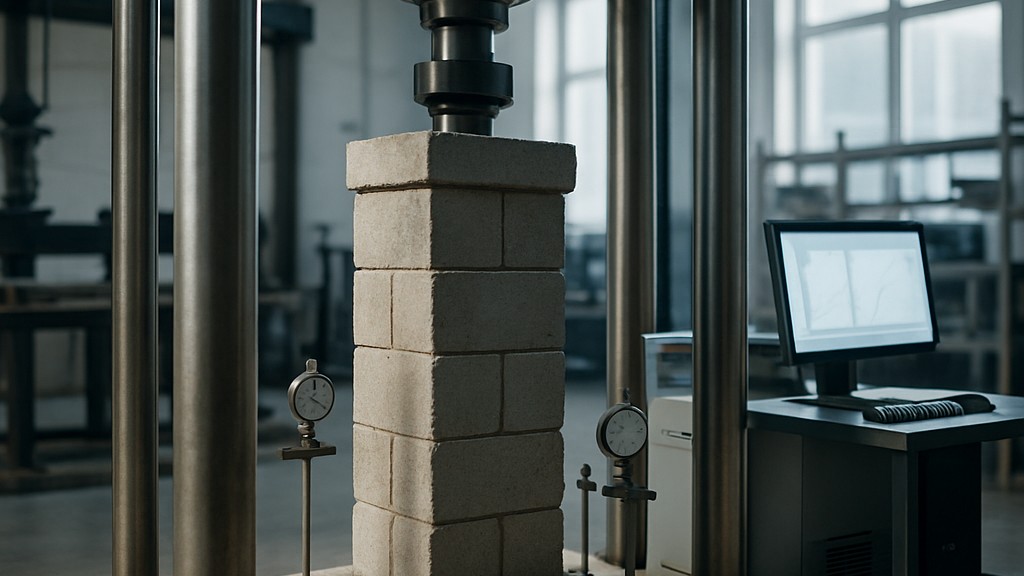
The standard's appendix, "Construction and Storage Material Densities," and "Annex A: Tables of Nominal Density and Angles of Repose for Construction Materials and Storage Materials," contain nominal densities for specific building materials, bridge materials, and stored materials. Angles of repose for specific materials are also provided.
In the section titled “Self-weight of construction works” methods for assessing the characteristic values of the self-weight of construction works are presented.
In the section titled “Loads applied to buildings”, characteristic values of the loads applied to floors and roofs in buildings according to the use category in the following areas are given:
The loads in traffic areas given in this section refer to vehicles with a gross vehicle weight of up to 160 kN. The design of traffic areas for heavy vehicles with a gross vehicle weight exceeding 160 kN must be determined in agreement with the relevant authority.
Horizontal forces for barriers or walls that serve as barriers are also included in this section and in the standard appendix titled “Annex B: Vehicle barriers and guardrails for car parks.” Annex B provides additional guidance for vehicle barriers in car parks.
EN 1991-3 standard applies to design situations and effects of impacts caused by water or other materials in silos and tanks.
In civil engineering, ensuring the safety and reliability of structures begins with accurately defining the loads they must withstand. EN 1991-1-1 serves as a foundational standard within the Eurocode family, which aims to harmonize structural design practices across the European Union and beyond. This standard remains a critical reference for guiding engineers in assessing the daily forces to which buildings are subjected, from the weight of their own materials to the mobility of their occupants. Eurocodes were developed to eliminate trade barriers in construction, encourage innovation, and promote sustainability by standardizing design methodologies. EN 1991-1-1 addresses general actions, focusing specifically on permanent and variable loads common in building design. This standard applies to buildings and civil engineering work, including some geotechnical aspects, and is intended for use by clients, designers, contractors, and public authorities.
The Eurocode program emerged as part of the EU's efforts to create a single market, and its building standards were formalized under Directive 89/106/EEC on construction products. Its scope is broad yet precise: it provides design guidance for the densities of construction and stored materials, the specific weight of structural elements, and the loads applied to buildings.
The EN 1991-1-1 standard is structured into sections on the classification of actions, design states, densities, self-weight and applied loads, and is supported by informative annexes containing tables and examples.
The section titled “Design cases” summarizes the design cases: permanent (normal use), temporary (construction/repair), accidental, and seismic.
The value of the EN 1991-1-1 standard lies in its ability to facilitate cross-border projects while promoting reliable and cost-effective construction. It reduces over-design by standardizing loads, reducing material usage, and supporting sustainability goals such as those in the EU Green Deal.
Ultimately, EN 1991-1-1 is more than just a load table; it's a blueprint for resilient infrastructure. It remains indispensable for engineers tackling modern challenges, from urban densification to extreme weather conditions.
Our organization, with its competent and experienced team, has been understanding the needs of its customers for years, providing them with the advanced testing services they need, and assisting them in the establishment, implementation, and improvement of management systems. In this context, we also provide testing services in accordance with the standard "EN 1991-1-1 Eurocode 1: Effects on structures - Part 1-1: General effects - Densities, specific gravity, and loads applied to buildings."
To get an appointment, to get more detailed information or to request an evaluation, you can ask us to fill in our form and reach you.

