

The ISO 1431 Rubber, ISO 3130 Wood - Determination of moisture content for physical and mechanical tests standard, published by the International Organization for Standardization (ISO), describes a method for determining the mass loss of a test piece by weighing it during drying to a constant mass. In this method, the mass loss after drying is calculated as a percentage of the mass of the test piece. However, this standard was later withdrawn and replaced by the ISO 13061-1 Physical and mechanical properties of wood - Test methods for small, clear wood samples - Part 1: Determination of moisture content for physical and mechanical tests.
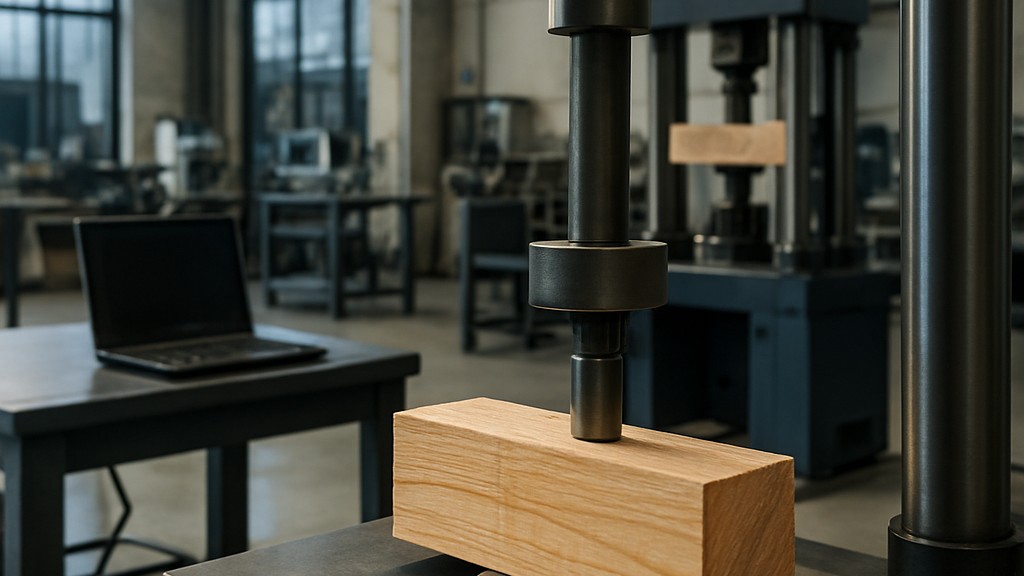
This part of ISO 13061 describes oven-drying methods for determining the moisture content of wood for physical and mechanical testing on small, clean wood samples. For the purposes of this standard, the terms and definitions given in ISO 24294 apply. Moisture content refers to the amount of moisture contained in the wood and is expressed as a percentage of its oven-dried mass.
In general, the main purpose of the ISO 13061 standard is to specify test methods for small, clear wood samples and general requirements for determining the physical and mechanical properties of wood.
Moisture content is, in principle, one of the most important variables affecting the physical and mechanical properties of wood. The procedures described in the ISO 13061-1 standard are designed to obtain moisture content values with varying levels of precision to suit user needs. Moisture content is determined by weighing the test piece before and after drying to a constant mass. Moisture content is calculated as the mass loss after drying as a percentage of the test piece's mass. The moisture content of wood is expressed as a percentage of the test piece's oven-dried mass (oven-dried basis), so moisture content values can exceed 100 percent.
The equipment used in these tests includes:
Preparation of test pieces:
In general, the steps of the testing method are:
In short, ISO 13061-1 provides a standard procedure for determining the moisture content of small, clear wood samples used in physical and mechanical tests. Moisture content is defined as the mass of water in a wood sample expressed as a percentage of its oven-dried mass. This characteristic is critical because moisture significantly affects the density, strength, hardness, and dimensional stability of wood. This standard is part of the ISO 13061 series of standards, which covers test methods for evaluating various wood properties, such as density, flexural strength, and compressive strength.
The ISO 13061-1 standard applies to small, flawless wood samples used in laboratory tests to evaluate the physical and mechanical properties of wood. This standard applies to:
This standard is designed for small, clear samples that are generally free of knots or other defects to provide accurate and repeatable results in controlled testing environments.
Determining moisture content within the scope of the ISO 13061-1 standard is critical for the following reasons:
As a result, the ISO 13061-1 standard is a vital standard for determining the moisture content of wood, providing a reliable and repeatable method to support physical and mechanical testing. By providing accurate moisture content measurements, the standard enables industries to select appropriate wood materials, predict performance, and meet quality and regulatory requirements. Its global adoption and compatibility with other standards make it an indispensable tool for manufacturers, researchers, and engineers in the wood industry.
Our organization, which has been serving for many years and meticulously following global developments in science and technology, employs a team of experienced professionals and a broad infrastructure to conduct testing, measurement, and analysis in a wide range of areas for businesses across all sectors. In this context, we also provide testing services in accordance with the standard "ISO 13061-1 Physical and mechanical properties of wood - Test methods for small, clear wood samples - Part 1: Determination of moisture content for physical and mechanical tests."
To get an appointment, to get more detailed information or to request an evaluation, you can ask us to fill in our form and reach you.

