

The ASTM D6690 Hot-applied joint and crack fillers for concrete and asphalt pavements standard, developed by the American Society for Testing and Materials (ASTM), describes hot-applied joint and crack fillers designed for sealing joints and cracks in Portland cement concrete and asphalt concrete pavements.
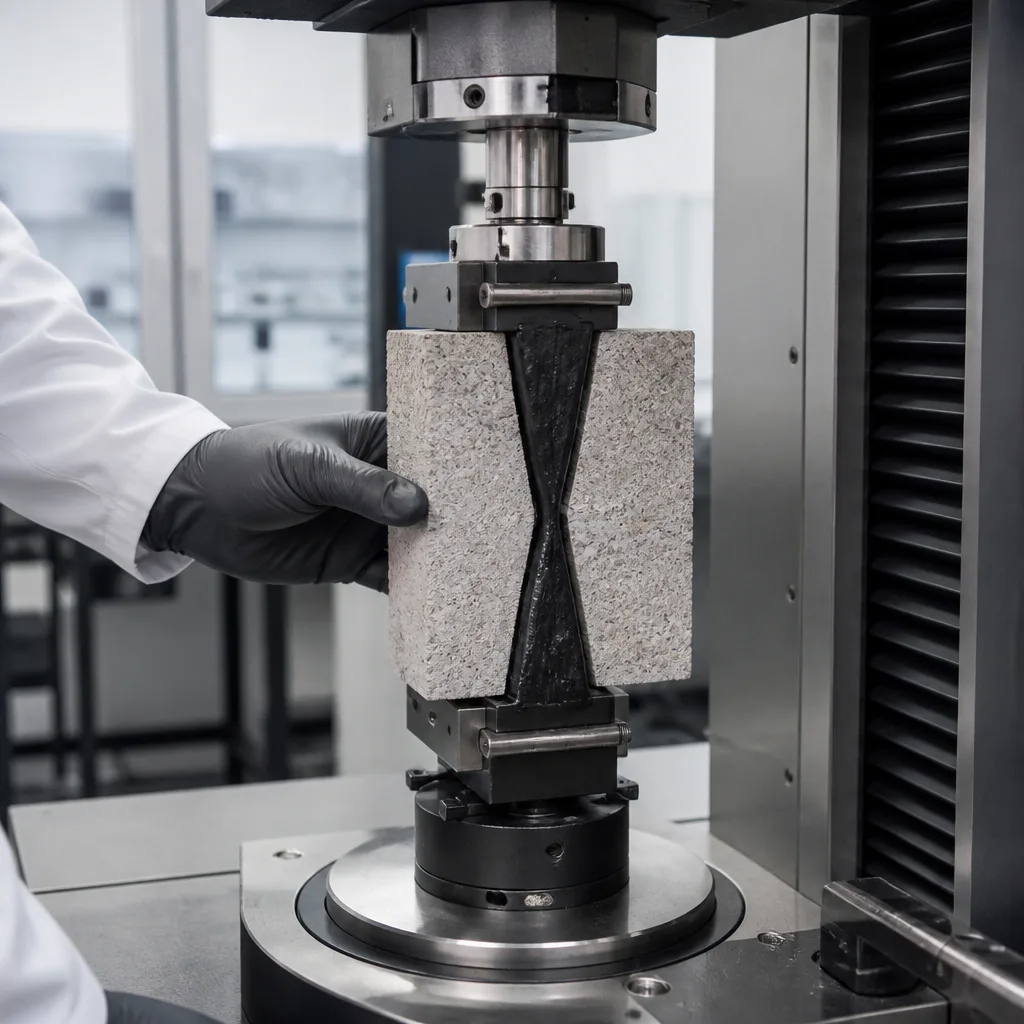
This specification is not intended to cover the characteristics required for fill materials to be used in Portland cement concrete or asphalt pavement areas (e.g., vehicle or aircraft refueling and maintenance areas) exposed to jet fuel or other fuel spills.
This specification covers four different hot-applied type joint and crack filler materials designed for use in sealing joints and cracks in Portland cement concrete and asphalt concrete pavements. However, this specification does not address the properties required for filler materials to be used in Portland cement concrete or asphalt pavement areas exposed to jet fuel or other fuel spills, such as vehicle or aircraft refueling and maintenance areas. Filler materials should be appropriately sampled and tested to examine their compliance with the specified values of the following requirements:
ASTM D6690 is a widely used standard that specifies requirements for hot-applied joint and crevice fillers used in concrete and asphalt pavements. This standard aims to ensure that fillers provide long-term protection against water ingress, debris ingress, and environmental degradation in roads, highways, airport runways, parking lots, and bridge decks.
This specification defines the performance criteria that filler materials must meet before being approved for use in road maintenance and construction applications. These materials are heated and applied in a molten state, where they adhere to road joints and cracks and remain flexible during use.
Road joints and cracks are vulnerable points through which water, chemicals, and debris can enter the road structure. Without effective sealing, these openings can lead to:
The ASTM D6690 standard provides a standardized method for evaluating sealant performance, enabling engineers and transportation organizations to select materials that can provide durable sealing under varying environmental conditions.
This standard categorizes hot-applied sealants into various categories, particularly based on their ability to withstand different climatic conditions and movement requirements. Typical sealants covered by this standard include:
These products are designed to maintain adhesion to pavement surfaces while accommodating the expansion and contraction of the pavement.
ASTM D6690 includes laboratory evaluations for the following properties:
These tests help determine whether a sealant can withstand the mechanical and environmental stresses encountered during use.
During testing, a representative sample of the sealing material is heated according to the manufacturer's recommendations and subjected to various physical and mechanical tests. The results are then compared with the acceptance criteria defined in the ASTM D6690 standard.
Tests typically assess the following:
The ASTM D6690 standard is commonly used by the following industries:
The ASTM D6690 standard is important because it specifies minimum performance requirements for hot-applied joint and crevice fillers used in asphalt and concrete pavements. This standard ensures that fillers can effectively protect pavement structures against water infiltration, temperature fluctuations, and traffic-induced stresses. This standard is necessary for the following reasons:
This standard ensures that the filler materials provide sufficient adhesion and flexibility to create a watertight seal.
These properties ensure that the sealant remains functional in both hot summers and cold winters without cracking, excessively sagging, or losing its adhesive properties.
For many years, our organization, with its competent and experienced team, has been understanding the needs of its clients, providing the advanced testing services they require, and assisting them in the establishment, implementation, and improvement of management systems. Within this framework, we also provide testing services in accordance with the ASTM D6690 standard.
To get an appointment, to get more detailed information or to request an evaluation, you can ask us to fill in our form and reach you.

