

Static strength is the ability of a material to resist externally applied forces without breaking or stretching. The internal resistance of a material to an externally applied force is called stress. The strength of a material is defined as the quality or state of being physically strong, the capacity of a substance to withstand great force or pressure.
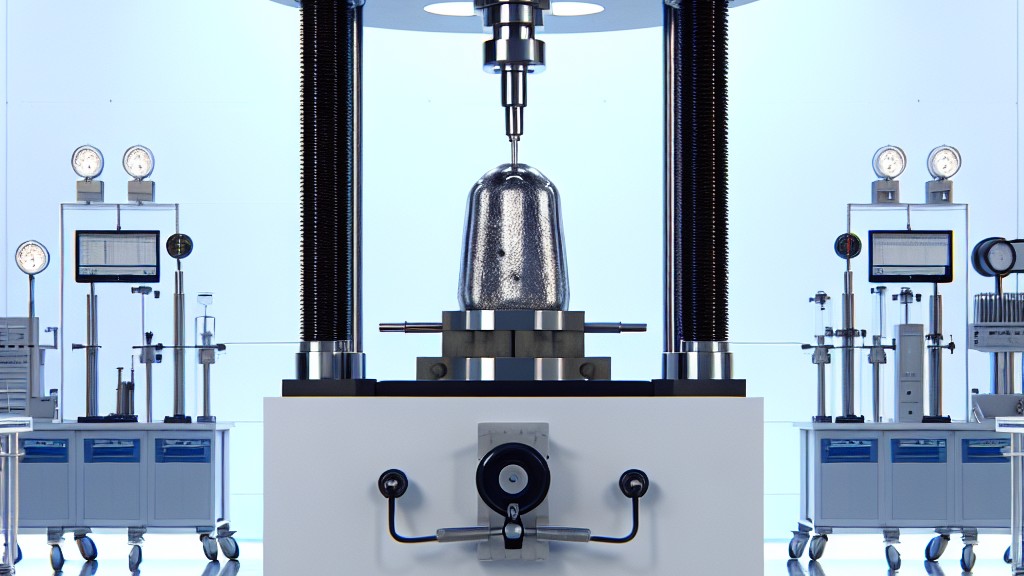
A static load is a mechanical force applied slowly to a device or material. Static loads do not change over time but remain constant, allowing tests to be carried out to determine the maximum loads that structures such as bridges or floors in tower blocks can withstand.
Static loading can also be used to calculate the strength of different types of materials. Static loads differ from dynamic loads in that forces are applied and can change rapidly. For example, a parking lot with no moving vehicles is subject to a static load, but when vehicles move the load becomes dynamic. Both types of loading can be used to determine safety margins for structures.
In the context of strength of materials, a load refers to an external force applied to a structural element or material. Understanding loads and their types is important in analyzing how materials and structures respond to various forces.
There are various types of loads in material strength:
Understanding the types of loads and their effects is crucial in designing and analyzing structures to ensure they can safely carry the expected loads without failure or deformation. Engineers and materials scientists use the principles of strength of materials to make informed decisions about materials and designs used in various applications.
Static and dynamic testing are two physical methods of determining how much load a material can handle before it reaches failure. The data produced by these tests is very useful in determining how well a component will respond to a wide range of stressors and is part of a comprehensive quality assurance process. While there are similarities in the testing process, there are some important differences between static and dynamic testing. Static testing is sometimes called low-speed testing and is usually performed at a low speed. The material is mechanically loaded until it reaches a predetermined level of deformation or the specimen fails completely. Static strength tests are often used to determine how a material will respond to pressure over an extended period of time. Dynamic testing, on the other hand, evaluates how a material behaves by subjecting it to a destructive force, usually at a high speed.
Essentially, static strength tests test the strength of a material. In its simplest form, this is achieved by pulling a specimen in a testing machine with both ends in opposite directions until they break. Any material can be tested for tensile strength, but different materials respond differently to the same forces depending on the material's properties.
Tensile tests are performed to understand how a material will behave under certain conditions or certain stresses. The results of this test are important in deciding how and when to use a material when designing a project. Steel cables for bridges, reinforcement for buildings, and rails for railways are all designed based on the results of static strength tests.
Our organization has a strong staff that closely follows the developments in the world in the field of science and technology and constantly improves itself. Static strength testing services are also among the numerous tests, measurements, analyses and evaluation studies provided for businesses in various sectors.
To get an appointment, to get more detailed information or to request an evaluation, you can ask us to fill in our form and reach you.

