

The European standard “EN 10025-1 Hot rolled products of structural steels - Part 1: General technical delivery conditions” describes the requirements for flat and long products of hot rolled structural steels, excluding structural hollow sections and tubes.
The first part of this standard contains general delivery conditions.
Specific requirements for structural steels are given in the following sections:
The steels specified in this standard are designed for use in welded, bolted and riveted structures.
This standard does not apply to products coated in accordance with the standards and draft standards listed herein or to steel products for general structural applications.
The main quality classification of steel grades according to the EN 10020 standard is given in the standards EN 10025-2 to EN 10025-6. Steels for flat and long products specified in these standards are divided into classes according to the minimum yield strength specified at ambient temperature. Steel grades can be supplied in the qualities specified in the standards EN 10025-2 to EN 10025-6.
Steel names for steel grades included in this standard are assigned according to the standard “EN 10027-1 Designation systems for steels - Part 1: Steel names” and the standard “CR 10260 Designation systems for steels - Additional symbols”. Steel numbers are assigned according to the standard “EN 10027-2 Designation systems for steels - Part 2: Numerical system”.
Mandatory information to be provided by the recipient includes:
The regulated properties are declared in accordance with the annex to this standard (Annex ZA).
This standard also specifies a number of options. The options specific to these parts are specified in standards EN 10025-2 to EN 10025-6. If the purchaser does not wish to apply any of these options, the supplier shall supply in accordance with the basic specification.
The steel making process is at the discretion of the manufacturer, except for the open pit (Siemens-Martin) process. If specified at the time of order, the steel making process of the relevant steel grade is notified to the buyer.
The deoxidation method or required grain size must be as given in standards EN 10025-2 to EN 10025-6. Likewise, the delivery conditions must be as given in standards EN 10025-2 to EN 10025-6.
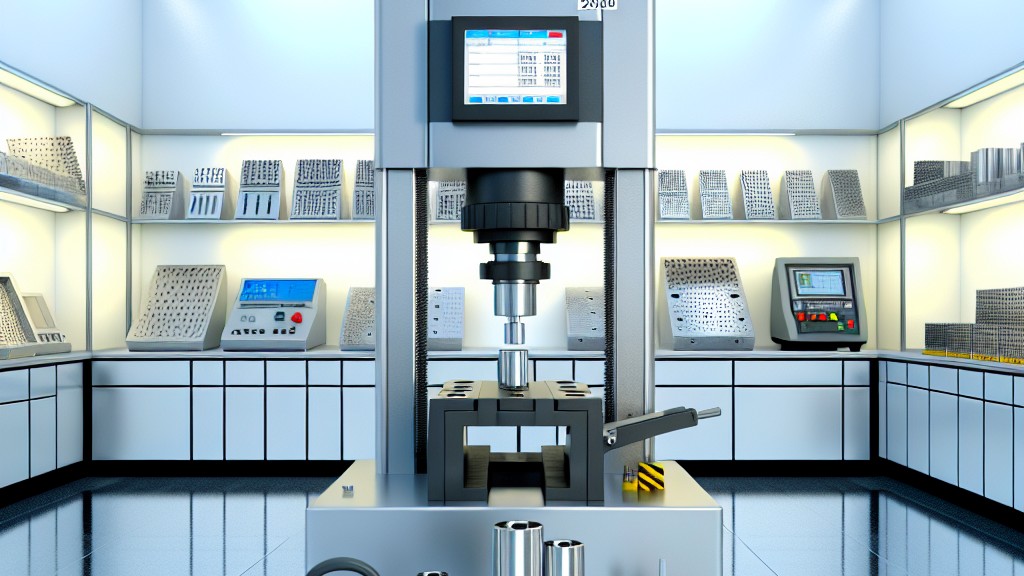
The following conditions apply during sampling, preparation of test pieces and performance of tests:
In short, the EN 10025-1 standard is designed to define how certification activities are carried out for the production of hot rolled flat and long products from structural steel, excluding pipes and hollow profiles used in structures.
Our organization has a strong staff that closely follows the developments in the world in the field of science and technology and constantly improves itself. Among the numerous test, measurement, analysis and evaluation studies provided for businesses in various sectors, there are also testing services in accordance with the standard “EN 10025-1 Hot rolled products of structural steels - Part 1: General technical delivery conditions”.
To get an appointment, to get more detailed information or to request an evaluation, you can ask us to fill in our form and reach you.

