

Developed by the American Society for Testing and Materials (ASTM), ASTM C1528/C1528M Standard Guide for Dimensional Stone Selection is intended for use by architects, engineers, specifiers, contractors, and material suppliers who design, select, specify, install, purchase, fabricate, or supply natural stone products for construction applications. This guide is an industry consensus standard developed collaboratively by engineers, architects, geologists, fabricators, and natural stone installers.
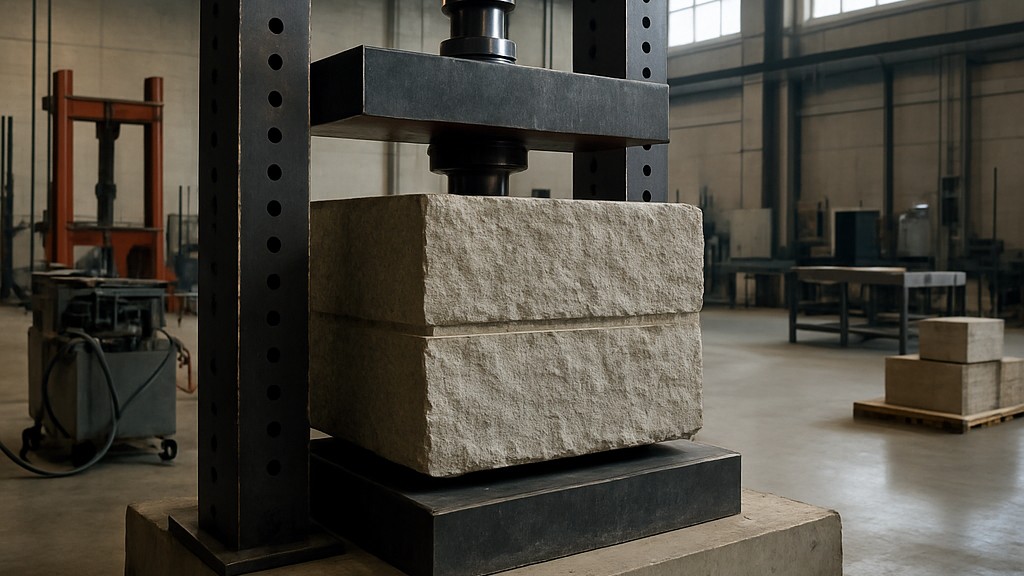
Natural stone is only one component of a building's construction. All related materials and assemblies must be evaluated to ensure harmonious interaction with the stone product. Every stone application must comply with applicable building codes.
Dimensional stone is a natural stone or rock that has been selected and processed (e.g., trimmed, sawn, drilled, or ground) to specific sizes or shapes. The stone's color, texture, pattern, and surface finish are also typical requirements. Another important selection criterion is durability. It is a measure of a dimension stone's ability to last and maintain its fundamental and distinctive characteristics of strength, resistance to decay, and appearance.
The ASTM C1528/C1528M standard essentially consists of the following subsections:
Natural stone has long been valued in architecture and construction for its timeless beauty, durability, and versatility. From the marble facades of ancient temples to the sleek granite countertops of modern skyscrapers, dimensioned stone—large blocks or slabs cut to specific dimensions—plays a key role in building design. But choosing the right stone isn't just about aesthetics. It also requires careful consideration of factors such as performance, environmental factors, and long-term viability. This is where the ASTM C1528/C1528M standard comes into play, serving as a fundamental roadmap for professionals.
This standard provides architects, engineers, specifiers, contractors and material suppliers with information on selecting, specifying and installing natural stone responsibly, ensuring both visual appeal and structural integrity.
This standard is designed for everyone involved in the lifecycle of natural stone projects: from initial design through fabrication and supply. Its scope is broad yet practical, encompassing stones such as granite, limestone, marble, slate, and quartz-based materials. The guide emphasizes that natural stone, unlike uniformly manufactured products, is inherently variable due to its geological origins, which can lead to unique veining, color variations, and potential weaknesses.
The purpose of this standard is to encourage informed decision-making that balances aesthetics with functionality. For example, while strikingly veined marble may dazzle in an indoor lobby, it can weaken when exposed to harsh UV rays and freeze-thaw cycles on the exterior cladding. This standard encourages users to consider stone not in isolation but as part of a holistic building system, considering its interactions with adjacent materials such as sealants or anchors. It also helps mitigate risks such as cracking, staining, or premature deterioration by complying with building regulations. However, no single standard covers every aspect of stone selection. ASTM C1528 works in conjunction with ASTM C241 for wear resistance, which is critical for high-traffic floors, or ASTM E119 for fire performance in building structures. By referencing these, ASTM C1528 avoids incompatible practices, such as using soft, easily damaged stone in commercial areas with pedestrian traffic.
The ASTM C1528 standard is structured to guide users through a systematic evaluation process and is divided into evaluation criteria, testing, surface treatments, and classification. A breakdown of its key components is as follows:
Similar classifications exist for other stones, helping specifiers find the right material for their project needs.
In this era of sustainable construction and durable design, the ASTM C1528/C1528M standard is more important than ever. This standard allows professionals to avoid costly mistakes, such as the notorious failure of soft limestone in humid climates, and promotes ethical sourcing. For project owners, this translates to longer-lasting structures and for designers, it unlocks creative potential without compromising safety.
Ultimately, the ASTM C1528/C1528M standard is not just a technical document; it's a testament to the thoughtful integration of nature's gifts with human creativity. By guiding dimension stone selection, it bridges the gap between the raw quarried block and the finished masterpiece. Designers rely on this standard for marble selections for both facades and monuments.
Our organization, which has been serving for many years and meticulously following global developments in science and technology, conducts testing, measurement, and analysis in a wide range of areas for businesses in every sector with a skilled team and extensive infrastructure. In this context, we also provide testing services in accordance with the "ASTM C1528/C1528M Standard Guide for Dimensional Stone Selection" standard.
To get an appointment, to get more detailed information or to request an evaluation, you can ask us to fill in our form and reach you.

