

In civil and structural engineering, ensuring the longevity and durability of structures against water ingress is crucial. Waterproofing membranes play a vital role in protecting buildings, bridges, tunnels, and underground facilities from moisture damage, corrosion, and structural deterioration. Developed by the Swiss Society of Engineers and Architects (SIA), known for its precision engineering and stringent construction standards, the standard "SIA 280 Plastic waterproofing membranes (polymer waterproofing membranes)" stands out as a fundamental guide for the specification, testing, and application of polymer-based waterproofing materials.
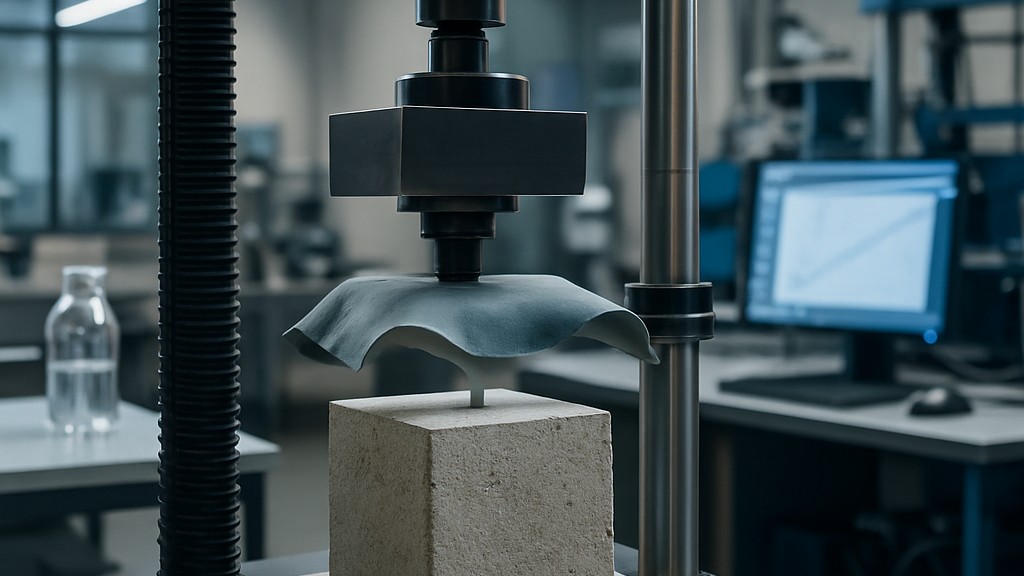
First published in 1996 and periodically reviewed for compliance with evolving technologies and European standards, this standard provides a unified framework for professionals in architecture, engineering, and construction. It addresses the unique challenges of the region's climate, such as heavy rainfall, freeze-thaw cycles, and seismic activity. With recent updates, this standard remains the benchmark for quality assurance in waterproofing projects.
The SIA 280 standard is a technical standard specifically categorized as engineering. It defines the properties, performance criteria, and testing protocols for plastic waterproofing membranes manufactured from polymers such as PVC, EPDM, TPO, and bitumen-modified sheets. These materials are essential for creating impermeable barriers in construction assemblies.
The key elements of the standard are:
This standard emphasizes environmental compatibility, requiring low-emission formulations and recyclability to comply with Switzerland's environmentally focused building regulations.
The SIA 280 standard specifies stringent criteria to ensure membranes withstand mechanical, thermal, and chemical stresses. Compliance is verified through laboratory and field testing, enhancing reliability across a variety of conditions.
The material properties have been determined as follows:
Durability and aging requirements are determined as follows:
Tests are performed on pre-conditioned samples (e.g., at 23°C and 50% relative humidity), and results are reported in a standard format. This standard mandates batch traceability and third-party certification, often by organizations such as SIA-accredited testing institutes.
The main areas of application of this standard are:
According to industry reports, in practice, compliance with the SIA 280 standard reduces recalls by up to 30 percent.
Ultimately, the SIA 280 standard demonstrates a commitment to excellence in construction standards and the protection of structures against the relentless onslaught of water. By standardizing polymer waterproofing membranes, it promotes innovation, safety, and sustainability in an era of extreme weather conditions.
Our organization, which has been operating for many years and meticulously follows global developments in science and technology, conducts testing, measurement, and analysis in a wide range of areas for businesses in every sector with a skilled team and extensive infrastructure. In this context, we also provide testing services in accordance with the "SIA 280 Plastic waterproofing membranes (polymer waterproofing membranes)" standard.
To get an appointment, to get more detailed information or to request an evaluation, you can ask us to fill in our form and reach you.

