Metallic materials are basic materials widely used in engineering and manufacturing sectors. The mechanical, physical and chemical properties of metal materials are of critical importance in many fields, from automotive to aerospace, from construction to electronic products.
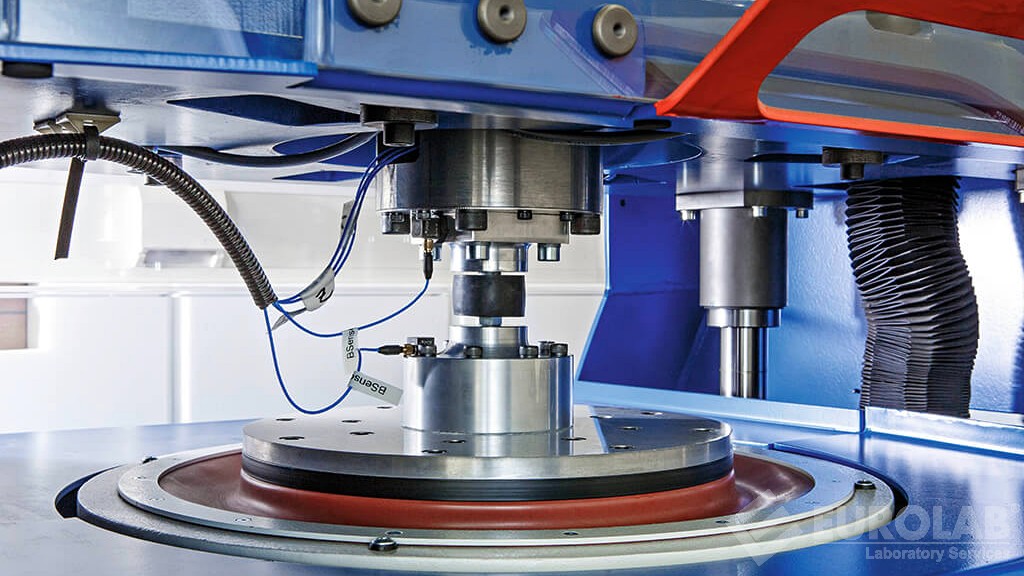
Metallic material tests are analyzes performed to determine the performance, durability and suitability of these materials for their application areas. Here are the basic tests performed for metallic materials:
Mechanical Testing
- Tensile Testing: It measures the material's resistance to tensile force, elasticity modulus and breaking point.
- Compression Test: Determines the material's resistance to compression forces.
- Bending Test: Examines the behavior of the material under bending or bending.
- Impact Test (Charpy and Izod): Tests the durability of the material against sudden impacts.
- Fatigue Test: Evaluates the durability of the material against repeated or variable loading.
- Hardness Test (Brinell, Rockwell, Vickers): It measures the resistance of the material against a force applied to its surface.
Physical and Thermal Tests
- Density and Porosity Test: It determines the density of the material and the voids in its internal structure.
- Thermal Expansion Test: Measures how the material expands or contracts depending on temperature changes.
- Thermal Conductivity Test: Determines how well the material conducts heat.
Chemical Tests
- Corrosion Test: It evaluates the corrosion resistance of the material under various environmental conditions and against chemical substances.
- Chemical analysis: Used to determine the chemical composition of the material, this test includes the percentage distribution of elements.
Microstructural Analyzes
- Metallographic Analysis: Optical or electron microscopes are used to examine the microstructure of the material. This analysis determines defects in grain size, phase distribution and internal structure.
- Scanning Electron Microscope (SEM) Analysis: Examines surface morphology and material defects at high resolution.
Other Special Tests
- Surface Roughness Test: Measures the surface quality of the material and the roughness of the processed surfaces.
- Fracture Mechanics Tests: Evaluates the fracture behavior and fracture toughness of the material.
- Electrical Properties Test: It measures the electrical conductivity and resistance of the material, especially for electrical conduction materials.
Metallic material testing is vital to verify whether materials are suitable for application areas and meet expected performance criteria.



