

The European standard "EN 10025-2 Hot rolled structural steel products - Part 2: Technical delivery conditions for non-alloy structural steels" describes the technical delivery conditions for flat and long products and semi-finished products produced from hot rolled non-alloy quality steels of the classes and qualities given in the tables containing chemical compositions and mechanical properties, and for semi-finished products intended to be further processed into flat and long products under normal delivery conditions.
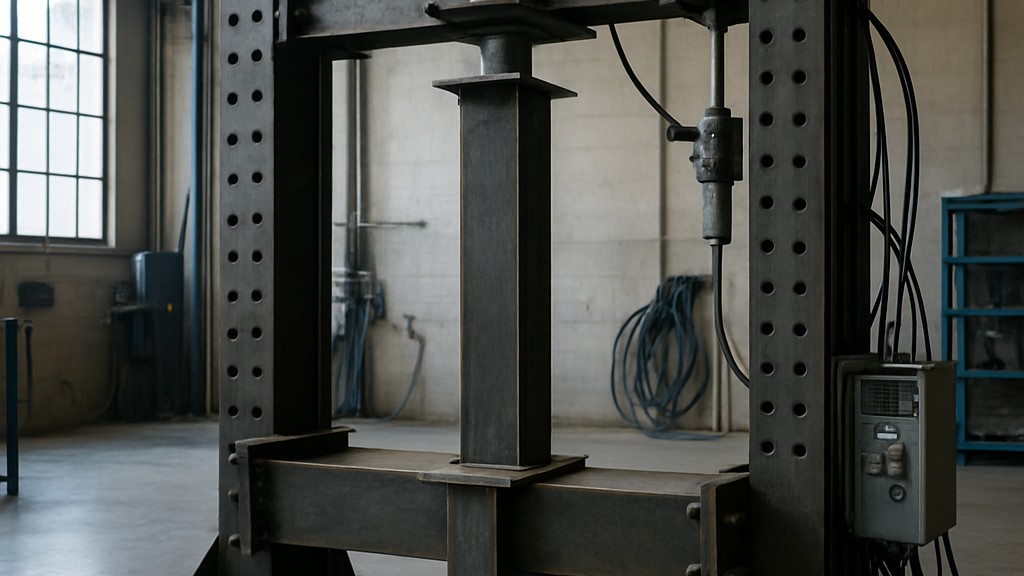
This standard also includes tables containing the chemical compositions and mechanical properties of three engineering steels.
This standard does not apply to structural hollow profiles and pipes. EN 10210-1 and EN 10219-1 are applicable to these.
Technical delivery conditions apply to:
The steels specified in this standard are not designed for heat treatment except for products delivered in the +N delivery condition. Stress relief is acceptable. Products delivered in the +N condition may be hot formed or normalized after delivery.
This standard stipulates that semi-finished products to be converted into finished rolled products conforming to this standard are subject to specific agreements at the time of ordering. Chemical compositions are also agreed upon at the time of ordering. The values are within the limits specified in the tables provided in the standard. For specific grades and product forms, suitability for specific applications is specified at the time of ordering.
EN 10025-2 is a critical standard that specifies the technical delivery conditions for hot-rolled products made from non-alloy structural steels. As part of the broader EN 10025 series, this standard plays a vital role in ensuring the quality, safety, and reliability of structural steel products used in construction, engineering, and other sectors within the European Union and beyond.
EN 10025-2 focuses on unalloyed structural steels, covering flat and long products, as well as semi-finished products that undergo further processing to form flat and long products. These products are typically used in applications such as building frames, bridges, industrial halls, and other infrastructure projects. This standard specifies the technical delivery conditions for steel grades such as S235, S275, S355, and S450, which are widely used in construction due to their balance of strength, weldability, and durability.
The basic requirements of this standard are as follows:
The EN 10025-2 standard is essential in construction and engineering to ensure the safety, durability, and legal compliance of structural steel products. By adhering to this standard, manufacturers and suppliers can:
This standard is widely adopted in European Union countries and ensures uniformity in steel quality and performance.
Unalloyed structural steels covered by the EN 10025-2 standard are versatile and are used in the following areas:
These steels are suitable for all common welding processes and can be surface treated for improved corrosion resistance, making them ideal for both engineering and construction applications.
As a result, the EN 10025-2 standard is a cornerstone for the structural steel industry, providing clear guidelines for the production, testing, and delivery of non-alloyed structural steels. Its comprehensive requirements for chemical composition, mechanical properties, and testing ensure that steel products meet the high standards required for safe and durable structures. Professionals in structural engineering, architecture, and manufacturing rely on this standard to deliver safe, compliant, and cost-effective projects. By adhering to this standard, stakeholders can ensure the integrity of their projects while meeting regulatory and market demands.
Our organization, which has been serving for many years and meticulously following global developments in science and technology, employs a skilled team and extensive infrastructure to conduct testing, measurement, and analysis in a wide range of areas for businesses across all sectors. In this context, we also provide testing services in accordance with EN 10025-2 Hot-rolled structural steel products - Part 2: Technical delivery conditions for non-alloy structural steels.
To get an appointment, to get more detailed information or to request an evaluation, you can ask us to fill in our form and reach you.

