Insulated Glass Unit (IGU) Test
Insulated glass units (IGUs) are designed to keep homes warmer in winter and cooler in summer. An insulating glass unit typically consists of two (sometimes more) glass panels separated by a spacer and bonded together at the edges. The insulating air space is filled with air or an inert gas such as argon or krypton. Each glass panel has two surfaces, so typical double-glazed insulating glass units have four surfaces.
Using argon or krypton in the air space between two panes of glass provides greater insulation because these gases are denser than air and less likely to allow heat to pass through the insulating glass unit. Combined with a low-emissivity glass coating, these gases work to improve the window's overall U-value (a measure of heat transmission through a building element, such as a wall or window). The lower the U-value, the better the insulating glass unit.
Using 90 percent argon gas instead of air in a low-emissivity insulated glass unit can improve the window's U-value by up to 16 percent. Similarly, krypton increases the U-value in a low-emissivity insulating unit by up to 27 percent. However, using an inert gas instead of air in an insulating unit can add both time and cost to the window's construction.
The components of insulated glass units are:
- Glass: The glass in insulated glass units can come in various thicknesses and types. Laminated or tempered glass can be used in areas where safety or durability are a priority. Insulated glass units can contain up to three glass panels for situations requiring additional thermal or acoustic insulation. Thicker glass is more expensive but more efficient.
- Spacer: Insulated glass units use a spacer that separates two glass panels at the edges/window frame where they meet. These spacers typically contain some type of desiccant to absorb moisture between the panels and prevent fogging. The width of the spacer depends on the gas used for insulation and the type of window. Generally, the wider the spacer, the more efficient the window.
- Window frame: Insulated glass is used in many different types of windows where efficiency is essential: double-hung windows, picture windows, casement windows, and skylights use insulated glass to prevent heat loss.
- Gas: The gas used between glass panels varies by manufacturer. Generally, an inert gas such as argon, krypton, or a mixture of both forms an insulating barrier between the interior and exterior.
The primary purpose of insulated glass units is to improve a building's thermal performance by reducing the rate of heat transfer between the interior and the exterior. These units are designed to provide better insulation than single-pane windows, resulting in more energy-efficient heating and cooling.
The main function of the insulated glass unit is its insulation ability provided by the following mechanisms:
- Thermal insulation: Air or gas between glass panes acts as a thermal barrier. Because gases like argon are denser than air, they provide better insulation by reducing the amount of heat passing through the window. This helps maintain indoor temperatures, reducing reliance on heating or cooling systems.
- Soundproofing: The glass layers and gas-filled space also act as an effective sound barrier, reducing noise transmission from the outside. This is especially beneficial in urban environments or near busy roads where noise pollution is a concern.
- Condensation control: Thanks to the insulated barrier, the interior glass surface of the window tends to stay closer to room temperature. This reduces the likelihood of condensation forming on the inside of the window, improving indoor air quality and preventing mold growth.
- UV Protection: Some insulated glass units come with special coatings that block a significant percentage of the sun's harmful ultraviolet (UV) radiation. This helps extend the lifespan of interior furnishings like carpets, curtains, and upholstery by preventing fading.
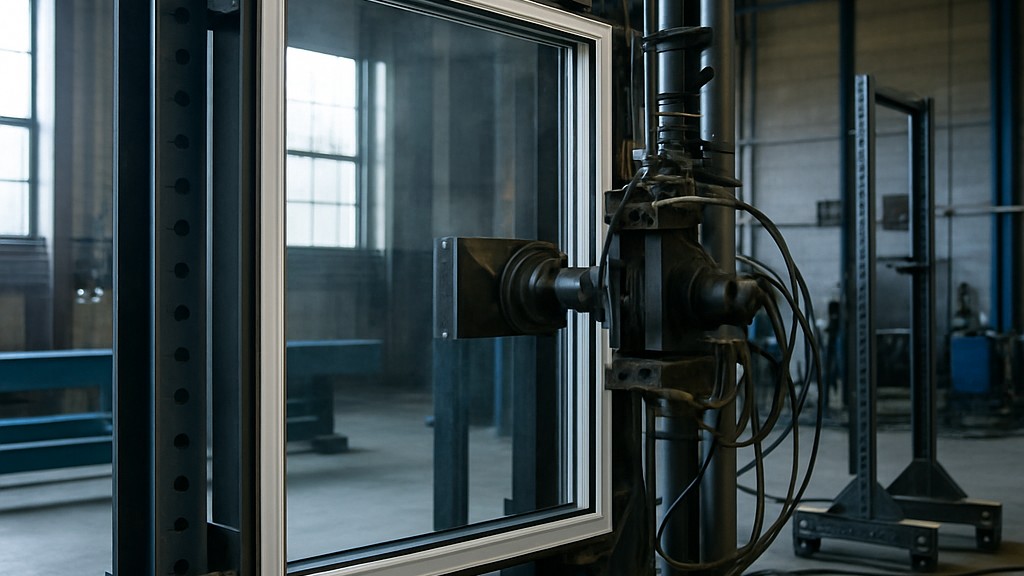
It's important to test insulated glass units to ensure they meet performance, safety, and durability standards. These tests evaluate the unit's insulating ability and structural integrity against heat, sound, moisture, and other environmental factors. Common testing methods used to evaluate the performance and quality of insulated glass units include:
- Thermal insulation testing: Thermal performance is one of the most important aspects of insulated glass units. These tests evaluate how well the unit retains heat or resists heat flow, which directly impacts energy efficiency.
- U-value testing: The U-value (thermal transmittance) is a measure of how much heat is lost through an insulated glass unit. The lower the U-value, the better the insulating performance of the glass. This method complies with ASTM E2188 or ISO 12567-2. A heat flux meter or similar device measures the amount of heat passing through the insulated glass unit.
- Mid-Glass U-Value Test: This test measures the thermal performance of the glass portion of an insulated glass unit, excluding the frame. It evaluates the rate of heat transfer through the glass layers. This method complies with ASTM E2190 or ISO 12567-1.
- Condensation resistance testing: Condensation resistance refers to a window's ability to resist moisture formation on its surface. Condensation forming on the inside of windows can lead to mold growth and deterioration of building materials. Methods described in ASTM E903 or ISO 10292 measure the surface temperature of an insulation unit under standard conditions to determine if condensation is occurring.
- Sound insulation and acoustic performance testing: The sound insulation or acoustic performance of insulated glass units is important in noise-sensitive areas. This test determines how effectively an insulating unit reduces sound transmission from external sources. ASTM E90 is a common standard for testing sound transmission loss in windows.
- Air leakage and sealing tests: Air leakage is a significant factor in energy loss and the performance of insulating units. The seal between the glass panes must remain airtight to maintain their insulating properties. ASTM E283 or ISO 5970 standards measure air leakage through windows. A constant airflow is applied to the insulating glass unit, and the amount of air leaking through the sealing edge is measured.
- Structural integrity and load resistance testing: The insulated glass unit must be able to withstand external loads such as wind pressure while maintaining its structural integrity. ASTM E330 and ASTM E331 standards are commonly used to evaluate the structural performance of windows under wind pressure and water penetration.
- Water resistance test: Water resistance test ensures that the insulated glass unit can effectively prevent water from entering the building during heavy rain or other extreme weather conditions. ASTM E331 standard involves spraying water under pressure into the window to determine if water is leaking into the building.
- Impact resistance testing: Impact resistance is especially important in areas where safety and security are paramount, such as high-traffic commercial buildings or areas subject to severe weather conditions. ASTM F1915 and ASTM E1996 are standards used to test the impact resistance of window and glazing systems. These tests simulate the impact of objects or debris against a window.
- UV resistance and fading testing: UV radiation can degrade the performance of windows and cause interior furnishings to fade. Special coatings can be applied to insulated glass units to reduce UV radiation transmission. ASTM G154 or ISO 4892 standards evaluate how coatings or the glass itself protect against UV degradation by simulating long-term UV exposure on the surface of the insulating unit.
- Durability and aging tests: To evaluate how well insulated glass units perform over time, durability and aging tests simulate long-term exposure to environmental factors such as heat, humidity, and UV radiation. ASTM E773 and ASTM E2190 standards are commonly used.
- Gas fill retention testing: For insulated glass units filled with inert gases such as argon or krypton, it is important to ensure that the gas remains within the unit for extended periods of time, maintaining its insulating properties. ASTM E2188 or ASTM E2190 standards can be used to assess gas retention in the space between the panes. This involves measuring the gas concentration over time to determine whether it remains within specified limits.
Our organization, which has been supporting businesses across all sectors for years through a wide range of testing, measurement, analysis, and evaluation activities, has a strong team of employees who closely follow global developments in science and technology and are constantly improving themselves. In this context, we also provide insulated glass unit (IGU) testing services to businesses.



