

The European standard “EN 13986 Wood-based panels for construction use - Specifications, conformity assessment and marking” defines wood-based panels for construction use and describes appropriate test methods for determining these specifications. These panels may be uncoated, coated, veneered or painted:
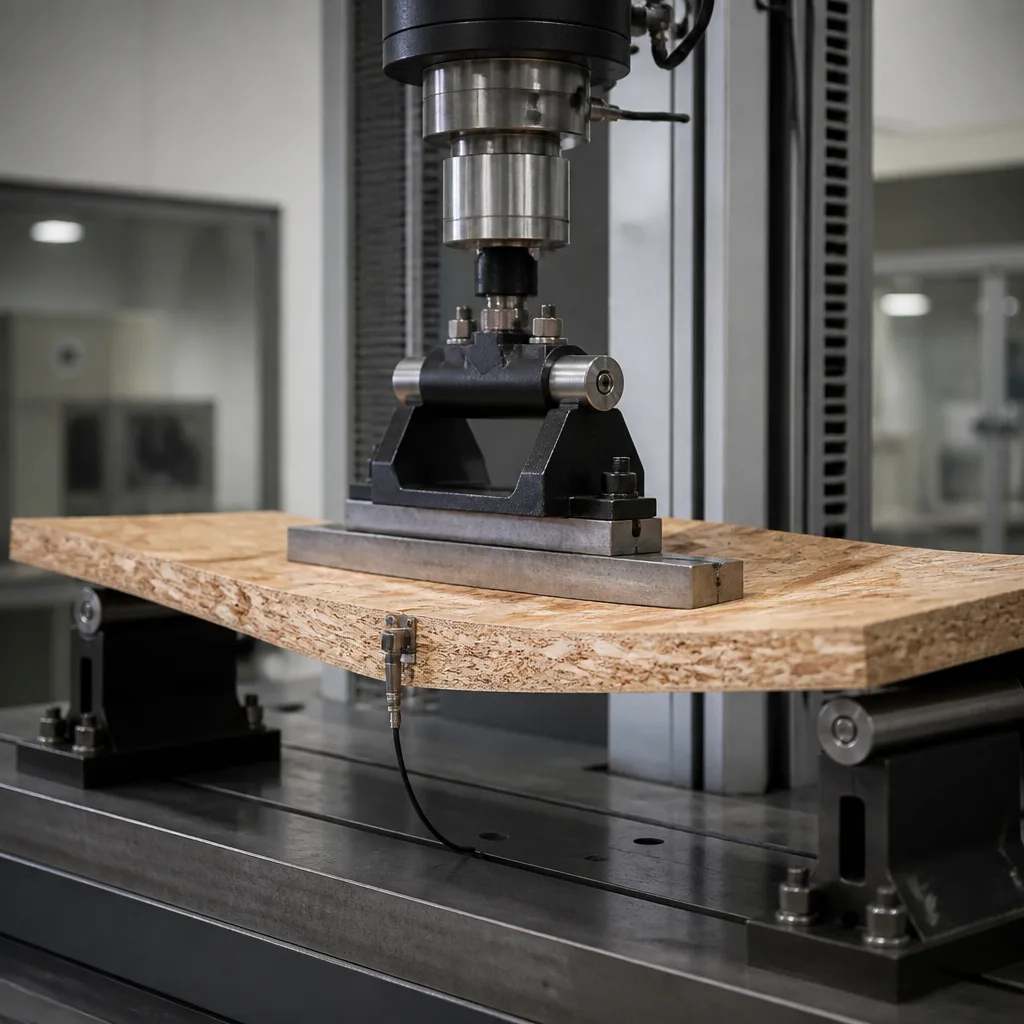
This standard provides for the assessment of conformity and the requirements for marking these products.
This standard covers wood-based panels for use in construction, including solid wood panels (LVL 4), plywood, oriented strand board (OSB), resin or cement-bonded particle board (particle board), wet-process fiberboard (hardboard, mediumboard, softboard), and dry-process fiberboard (MDF). These may contain chemicals to improve their fire response and resistance to biological attack such as fungi and insects.
This standard does not apply to wood-based panels designed for use in non-construction applications.
The EN 13986 standard serves as a harmonized standard under the Construction Products Regulation (CPR), meaning that products conforming to the EN 13986 standard can bear the CE mark and be freely traded within the European Economic Area.
This standard covers a wide variety of engineered wood panels, such as plywood, particleboard, oriented strand board (OSB), fiberboard, and cement-bonded particleboard, designed for structural or non-structural construction applications.
The EN 13986 standard applies to wood-based panels used in the following areas:
This standard defines the performance characteristics required for the panels to be used safely and effectively in buildings.
This standard includes requirements for various panel types:
Each type has specific performance classes depending on its intended use and exposure conditions.
The EN 13986 standard specifies the essential characteristics and performance criteria, including:
These features ensure that the panels meet safety, health, and environmental protection requirements.
After manufacturers verify product conformity through methods such as factory production control, product type testing, and third-party certification depending on the evaluation system, the panels can bear the CE mark, indicating compliance with EU regulations.
The EN 13986 standard defines different service classes depending on environmental conditions:
These classifications guide the selection of appropriate panel types.
The EN 13986 standard integrates fire classification systems compliant with European fire safety regulations. Furthermore, limiting formaldehyde emissions to maintain indoor air quality is crucial for both safety and sustainability.
The EN 13986 standard is essential because it addresses the real risks and inconsistencies in construction materials. Without this standard, the quality, safety, and performance of wood-based panels used in buildings can vary significantly. This standard is considered important for the following reasons:
In conclusion, the EN 13986 standard plays a crucial role in the European construction industry by defining performance and safety requirements for wood-based panels. It ensures that materials used in buildings are reliable, safe, and suitable for their intended applications, thereby supporting both structural integrity and occupant well-being.
For many years, our organization, with its competent and experienced staff, has been understanding the needs of its clients, providing the advanced testing services they require, and assisting them in the establishment, implementation, and improvement of management systems. Within this framework, we also provide testing services in accordance with the EN 13986 standard.
To get an appointment, to get more detailed information or to request an evaluation, you can ask us to fill in our form and reach you.

