

The standard “ASTM C627 Standard Test Method for Evaluating Ceramic Floor Tile Installation Systems Using a Robinson-type Floor Tester” developed by the American Society for Testing and Materials (ASTM) describes a test method for evaluating ceramic floor tile installation systems using a Robinson-type floor tester.
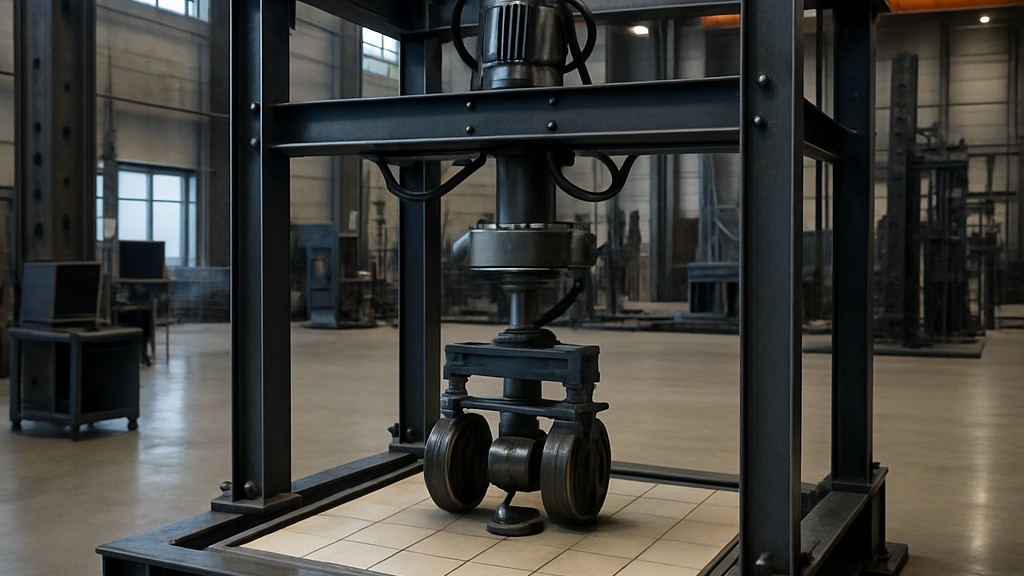
This test method is designed solely to evaluate complete ceramic floor tile installation systems for failure under dynamic loads and is not intended to evaluate specific properties of ceramic tiles, such as abrasion resistance. This test method does not claim to provide meaningful results other than for evaluating complete ceramic floor tile installation systems.
This test method includes a standardized procedure for evaluating the performance of ceramic floor tile installations under conditions similar to actual specific uses. This method can be used to make comparisons between traditional and basic installation methods, determine the impact of minor changes to a particular installation method, and evaluate the merits of proposed new methods.
The Robinson-type floor tester is a standard machine used to evaluate the durability and abrasion resistance of floor coverings, particularly hard surface materials such as tiles, stone, and resilient flooring. Named after George Robinson, who developed the method in the 1940s, this tester simulates foot traffic and wheeled loads (such as carts or chairs) to evaluate how well a flooring system (such as tiles, adhesives, mortar, and underlayment) holds up under stress.
When the device is in use, a floor assembly is mounted on a test platform. A weighted carriage with rotating wheels rolls over the floor in a circular motion. The wheels are typically equipped with abrasive materials or cast iron wheels to increase wear. The test typically applies a series of loads (called cycles) that increase in weight or number over time.
Testing helps determine service ratings for floor coverings and consists of:
For example, this method is often used to grade tile floors.
Applications include:
In short, Robinson-type floor testing machines are critical in flooring product development and specification to ensure that materials are suitable for their intended use, particularly in commercial and industrial environments.
Evaluating ceramic floor tiling systems involves evaluating how well the entire system performs, not just the tiling itself. This includes: the tiling, the installation material (mortar or adhesive), the grout, the substrate (such as concrete, backer board), and the underlayment or membrane (if applicable).
Generally, the main evaluation criteria are as follows, with emphasis on performance, standards and common testing methods:
The Robinson-type floor tester simulates real-world pedestrian and walking traffic. It caters to residential to very heavy commercial systems. It measures the durability of complete tile installations.
Deflection tests evaluate whether the substrate has flexed enough to cause cracking.
A well-performing ceramic tile installation system:
Our organization, which has been supporting businesses across all sectors for years through a wide range of testing, measurement, analysis, and evaluation activities, boasts a strong team of employees who closely follow global developments in science and technology and are constantly improving themselves. In this context, we also provide testing services in accordance with the "ASTM C627 Standard Test Method for Evaluating Ceramic Floor Tile Installation Systems Using a Robinson-Type Floor Testing Machine."
To get an appointment, to get more detailed information or to request an evaluation, you can ask us to fill in our form and reach you.

