

The ASTM C1427 standard specification for extruded preformed flexible cellular polyolefin thermal insulation in sheet and tubing , developed by the American Society for Testing and Materials (ASTM) , describes a procedure for determining the operating temperatures of extruded preformed flexible cellular polyolefin thermal insulation between -101 degrees and +93 degrees. For specific applications, the actual temperature limit is agreed upon between the manufacturer and the buyer.
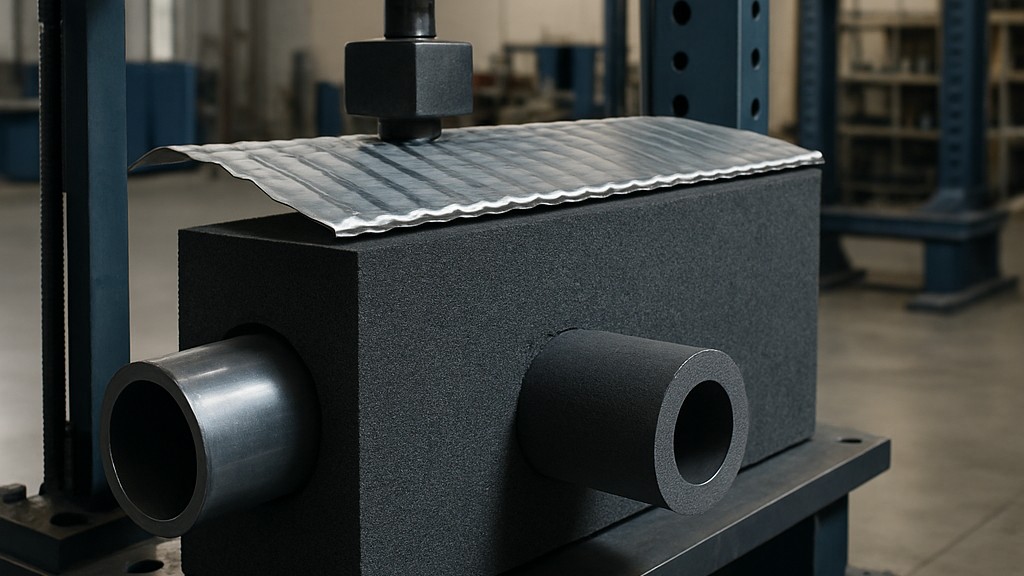
The use of thermal insulation materials covered by this standard is governed by codes and standards addressing fire performance. The manufacturer should be contacted for specific performance at the product's intended thickness.
This standard specifies the physical properties of preformed flexible cellular polyolefin thermal insulation that are considered mandatory for thermal design. Physical properties such as density and coefficient of thermal expansion (CTE) are not considered mandatory for thermal design. Non-mandatory physical properties are listed in the standard appendix (Annex X1) for informational purposes only. The thermal insulation must comply with the physical requirements. Such physical requirements include thermal conductivity, water vapor permeability, and linear shrinkage, and must be determined using the test methods specified herein.
This standard applies to plain, non-asbestos fiber cement shingles used as exterior roofing or cladding products. These products are widely used in residential, commercial, and institutional buildings where the appearance of shingles is desired without the weight and cost associated with natural shingles. Primary applications include:
The ASTM C1427 standard outlines specific physical and performance requirements that shingles must meet:
This standard references other ASTM test methods, including:
This standard is the primary test method standard used to evaluate:
This standard is used to define product requirements such as:
ASTM C1427 standard uses this standard as a reference for general product specifications and requirements for fiber cement board materials.
These test methods described in the standards support the evaluation of mechanical properties, dimensional tolerance and physical performance.
The ASTM C1427 standard is considered important for the following reasons:
In short, the ASTM C1427 standard plays a crucial role in the manufacture, selection, and specification of fiber-cement slate tiles. By establishing performance and quality criteria, it ensures that these tiles are safe, reliable, and durable alternatives to traditional materials, contributing to both structural integrity and design aesthetics in the construction industry.
Our organization, which has been supporting businesses across all sectors for years through a wide range of testing, measurement, analysis, and evaluation activities, has a strong team of employees who closely follow global developments in science and technology and are constantly improving themselves. In this context, we also provide testing services in accordance with ASTM C1427 Standard Specification for Extruded Preformed Flexible Cellular Polyolefin Thermal Insulation in Sheet and Tubular Form.
To get an appointment, to get more detailed information or to request an evaluation, you can ask us to fill in our form and reach you.

