EN 15651 Sealants for Non-Structural Joints in Buildings and Pedestrian Paths
The European standard “EN 15651 Sealants for use in non-structural joints in buildings and pedestrian walkways” consists of the following subsections published under the same title:
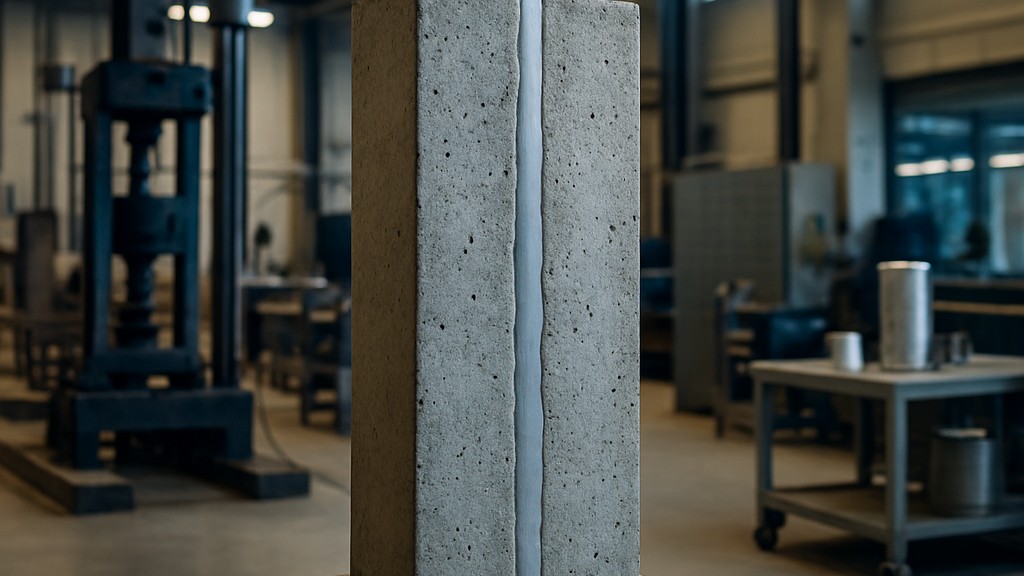
- EN 15651-1 Part 1: Sealants for Facade Elements" defines and specifies requirements for non-structural facade sealants designed for sealing external wall joints, window and door perimeter joints in building construction, including interior facades. Provisions for assessing and verifying consistency of performance (i.e., product type determination and factory production control) and for marking these products are included in EN 15651-5. This standard does not apply to non-pasty non-structural sealants, those used on interior walls or partitions, or oil-based mastics.
The basic requirements are determined as follows:
- Definitions of sealant types and classifications (e.g. according to durability classes such as F25 for 25-year service life).
- Test methods for properties such as adhesion, cohesion, elasticity, water resistance, artificial weathering resistance and compatibility with surfaces.
- Compliance with the EU Construction Products Regulation (CPR) via the EN 15651-5 standard for the assessment and verification of performance.
These sealants help maintain building integrity, prevent water ingress, and improve energy efficiency by sealing gaps against environmental elements. Compliance with this standard is vital for manufacturers, specifiers, and contractors on construction projects across the European Union.
- The standard "EN 15651-2 Part 2: Sealants for Glazing" describes the definitions and requirements for non-structural elastic sealants used for sealing glass in building construction applications. This standard covers glazing joints with a horizontal angle of 7 degrees. The main areas of application are:
- Glass to glass
- From glass to frame
- From glass to porous surfaces.
Aquariums, structural bonding/glazing, internal and external sealing in the production of insulated glass units, horizontal glazing (below 7 degrees), excluding organic glass (e.g. polycarbonate, PMMA and similar).
The basic requirements are determined as follows:
- Defines sealant types and classifications (e.g., G25LM for low modulus sealants with 25 percent joint movement capability).
- Specifies tests for properties such as adhesion, cohesion, elasticity, resistance to UV, water and artificial weathering, and compatibility with glazing surfaces (e.g., glass, coated glass or frames).
- Compliance with the EU Construction Products Regulation (CPR) up to standard EN 15651-5 for assessment, verification and CE marking.
This standard ensures that glazing sealants provide weather resistance, energy efficiency and durability in non-structural glazing systems, prevent air or water leaks and maintain aesthetic and functional integrity.
- The standard "EN 15651-3 Part 3: Sealants for plumbing joints" defines and specifies the requirements for sealants used for sealing joints in sanitary areas inside buildings exposed to unpressurized water. This standard covers the following types of joints:
- Bathrooms
- Toilets
- showers
- Home kitchens
- Prefabricated elements in sanitary areas (e.g. shower cabins)
Sealing of industrial, drinking water, underwater (such as swimming pools, sewage systems), food contact applications, and glass-ceramic hob panels (cooktops, ceramic hobs) is excluded from the scope. This standard does not provide criteria or recommendations for the design of joints or the installation of sealants in sanitary applications. Furthermore, this standard does not apply to non-structural sealants other than pastes, those used in plumbing joints, or oil-based mastics.
- The basic requirements are determined as follows:
- Defines sealant classifications (e.g. S1 for plumbing sealants with specific performance criteria).
- Specifies tests for properties such as adhesion, cohesion, elasticity, resistance to immersion in water, mold growth, and exposure to chemicals (e.g., cleaning agents).
- Contains microbiological resistance requirements to prevent mold and fungus growth.
- Compliance with the EU Construction Products Regulation (CPR) via the EN 15651-5 standard for assessment, verification and CE marking.
This standard ensures that plumbing sealants provide a durable, waterproof and hygienic seal in wet environments, preventing water damage, mold growth and deterioration over time.
- The standard “EN 15651-4 Part 4: Sealants for pedestrian paths” describes the definitions and requirements for cold-applied non-structural elastic sealants used for movement joints in floors for indoor and outdoor use in building construction.
Application areas include: pedestrian paths, floor joints designed for public spaces, movement joints between concrete slabs, areas with pedestrian load, areas used by wheelbarrows, walkable floors, balconies, terraces and warehouses.
Chemical-based, cold-applied concrete pavement sealants, perimeter sealants, and sealants for wooden floors, for use in roads, airports, and sewage treatment plants, are outside the scope of this standard. This standard does not apply to non-paste-like, non-structural sealants used on pedestrian walkways.
The basic requirements are determined as follows:
- Defines sealant classifications (e.g., F20HM for high modulus sealants with 20 percent joint movement capability).
- Specifies tests for properties such as adhesion, cohesion, elasticity, abrasion resistance, exposure to water and exposure to artificial weathering.
- It includes requirements for compatibility with surfaces such as concrete, tile or stone commonly used in pedestrian walkways.
- Compliance with the EU Construction Products Regulation (CPR) via the EN 15651-5 standard for assessment, verification and CE marking.
This standard contributes to the safety and longevity of flooring systems by ensuring that sealants in pedestrian walkways maintain their integrity, prevent water ingress and resist wear from pedestrian traffic.
- The standard “EN 15651-5 Part 5: Assessment and verification of continuity of performance, marking and labelling” describes procedures for assessing and verifying the continuity of performance of sealants used for non-structural purposes in joints in building construction and pedestrian walkways.
The basic requirements are determined as follows:
- According to the EU Construction Products Regulation (CPR), it defines the AVCP system, which is generally System 3 or System 4, depending on the intended use of the sealant.
- Requires manufacturers to implement FPC to ensure consistent production quality.
- Indicates initial type testing to verify sealant properties (e.g. adhesion, cohesion, elasticity, durability).
- It requires a declaration of performance (DoP) and CE marking to verify compliance with performance standards.
This standard ensures that sealants meet consistent quality and performance standards across applications, providing confidence to manufacturers, specifiers, and end users on construction projects. It facilitates market access within the EU by ensuring compliance with legal requirements.
In short, the EN 15651 series of standards is critical for ensuring the quality, performance, and safety of sealants in a variety of construction applications. It is vital for standardizing the quality, performance, and legal compliance of non-structural sealants in construction. This standard is considered important for the following reasons:
- Provides performance and durability
- Compliance with EU regulations
- Increases building safety and integrity
- Standardizes quality across applications
- Supports energy efficiency and sustainability
- Facilitates trust and accountability
- Covers a variety of applications
Our organization, which has been operating for many years and meticulously follows global developments in science and technology, employs a team of experienced professionals and a broad infrastructure to conduct testing, measurement, and analysis in a wide range of areas for businesses across all sectors. In this context, we also provide testing services in accordance with the EN 15651 standard for sealants used in non-structural joints in buildings and pedestrian walkways.



