

The European standard "EN 322 Wood-based panels - Determination of moisture content" describes a method for determining the moisture content of test pieces of wood-based panels. This result can be used to estimate the moisture content of wood-based panels according to EN 326-1.
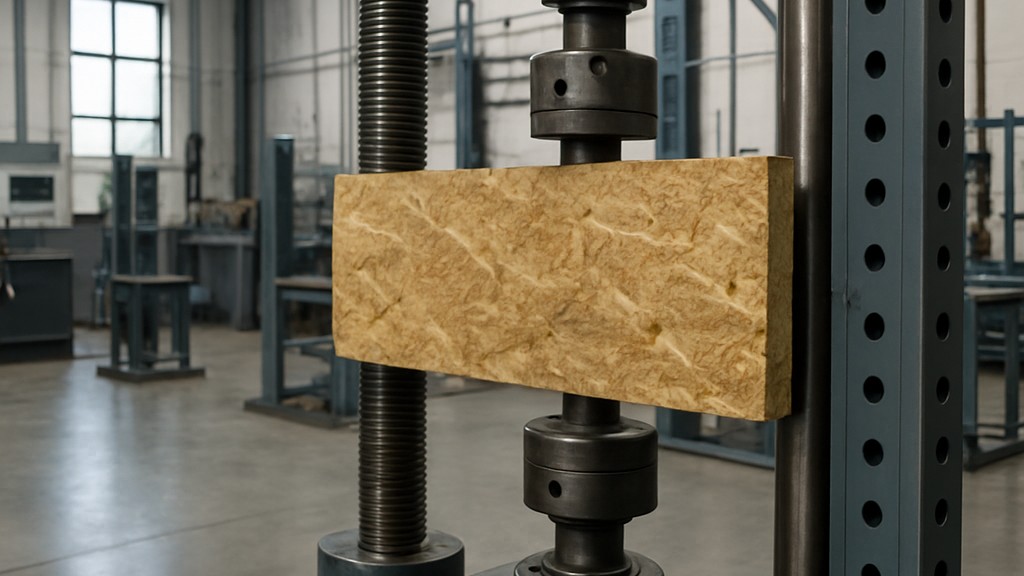
The principle of this method is based on weighing each test piece to determine the moisture loss between the sample's state and its state after drying to a constant mass at 103°C plus/minus 2°C. This moisture loss is calculated as a percentage of the test piece's mass after drying. These results are used to estimate the moisture content of all boards.
The performance, durability, and usability of wood-based panels are significantly affected by their moisture content. International standards provide testing and quality assurance methods to ensure consistency and reliability across a variety of applications. One such important standard is EN 322. This standard provides a method for determining the moisture content of all types of wood-based panels, including plywood, particleboard, oriented strand board, fiberboard (such as MDF), and other engineered wood products. This standard is widely used throughout Europe and beyond for product classification, quality control, and compliance with building regulations and other standards.
Wood-based panels are hygroscopic materials, meaning they absorb and release moisture depending on the environment. Moisture content affects:
Therefore, accurately measuring moisture content is critical to ensure product performance and service life, especially in the construction, furniture manufacturing and packaging industries.
The EN 322 standard includes a gravimetric method, a widely accepted and reliable procedure based on mass loss upon drying. In general, the method follows these steps:
Ultimately, the EN 322 standard provides a simple, repeatable, and accurate method for determining the moisture content of wood-based panels. By standardizing this critical measurement, manufacturers, builders, and quality control professionals can ensure products perform reliably and meet stringent regulatory and safety requirements. Understanding and implementing this standard helps maintain product quality, reduce failures due to moisture-related issues, and promote the sustainable use of wood-based materials in modern construction and manufacturing.
The EN 322 standard is important because moisture content is one of the most critical factors affecting the performance, quality, and safety of wood-based panels. The main reasons for its importance are:
As a result, the EN 322 standard is considered important because it ensures the safety, performance and durability of wood-based panels, ensures compliance with regulatory bodies and product certification, and prevents failures caused by moisture.
Accurately determining moisture content is undoubtedly important in industries such as construction, furniture production, packaging and interior design.
Our organization, which has been operating for many years and meticulously follows global developments in science and technology, employs a team of experienced professionals and a broad infrastructure to conduct testing, measurement, and analysis in a wide range of areas for businesses across all sectors. In this context, we also provide testing services in accordance with the EN 322 Wood-based panels - Determination of moisture content standard.
To get an appointment, to get more detailed information or to request an evaluation, you can ask us to fill in our form and reach you.

