

The standard "ASTM C847 Standard Specification for Metal Lath" developed by the American Society for Testing and Materials (ASTM) describes a procedure for sheet metal lath, expanded metal lath, diamond mesh, plain and self-lath, and ribbed metal lath (3,2 and 9,6 mm) products, with or without a factory-installed waterproof barrier, intended for use as a base for gypsum or Portland cement plaster.
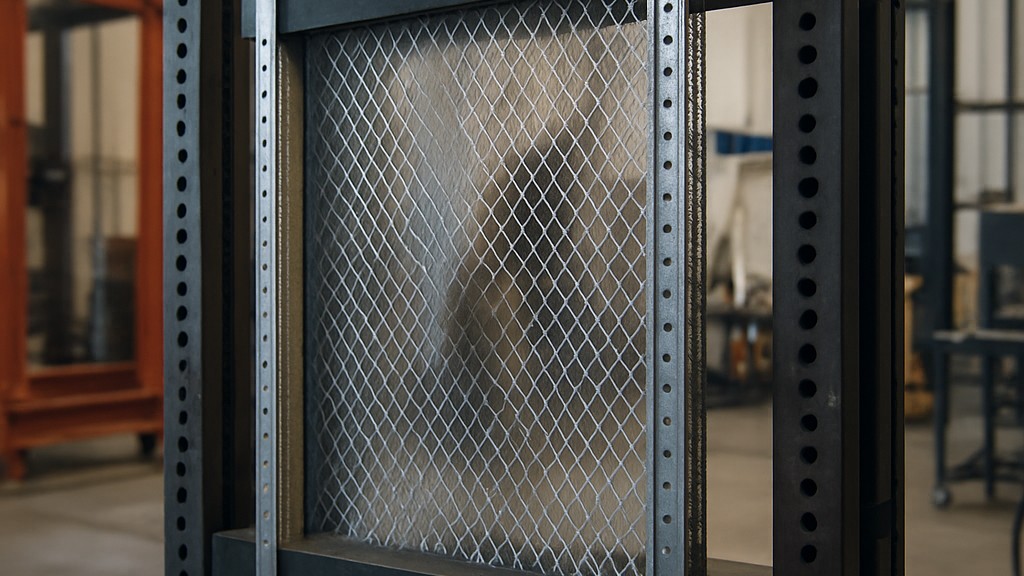
This standard covers sheet metal lath, expanded metal lath, diamond mesh, plain and self-lathing lath, and ribbed metal lath, all with or without backing, designed for use as a base for gypsum or Portland cement plaster. The metal lath shall be manufactured from commercial-quality cold-rolled carbon steel sheet as specified, and the galvanized metal lath shall have a G60 coating. This standard specifies physical properties such as thickness, width, length, and weight. The metal lath shall be manufactured from hot-dip galvanized steel.
Metal lath is a building material made from thin metal sheets or wires formed into a mesh or grid pattern. It is primarily used as a supporting support or reinforcement for plaster, stucco, or stone cladding applied to walls, ceilings, or exterior surfaces.
In the world of construction and metalworking, understanding the different types of materials available is key to ensuring successful projects. While they may appear similar, metal lath differs from metal mesh in that each serves different purposes and offers unique benefits. Metal lath is a versatile building material often used as a base for plaster or stucco applications. It's made by expanding, drilling, or pressing metal sheets to create a mesh of small, uniform openings. This rough texture allows materials like plaster or stucco to adhere securely, making it ideal for reinforcing walls, ceilings, and other surfaces.
There are several types of metal lath, each suited to specific applications. For example,
The primary purpose of metal lath is to provide a supporting base for plaster or stucco. The open design ensures a tight bond with the plaster, reducing the risk of cracking or splitting. It is typically made of galvanized steel to prevent rust and ensure longevity, even in outdoor environments.
The main uses of metal lath include:
Common applications include interior and exterior plaster walls, plaster facades, fire-resistant systems and cladding stone installations.
Metal lath is typically made of galvanized steel (for corrosion resistance), stainless steel (for corrosive or marine environments), and aluminum (lightweight and rust-resistant). The lath must be free of defects such as burrs, sharp edges, or broken wires. Uniformity in pattern and size is essential for proper plaster adhesion.
ASTM C847 is a specification for metal lath. It defines the material requirements, dimensions, tolerances, and performance characteristics for various types of metal lath used in the industry.
This standard is considered important for the following reasons:
Our organization, which has been supporting businesses across all sectors for years through a wide range of testing, measurement, analysis, and evaluation activities, has a strong team of employees who closely follow global developments in science and technology and are constantly improving themselves. In this context, we also provide testing services in accordance with the ASTM C847 Standard Specification for Metal Lath.
To get an appointment, to get more detailed information or to request an evaluation, you can ask us to fill in our form and reach you.

