

The European standard "EN 16069 Thermal insulation products for buildings - Factory-made polyethylene foam (PEF) products - Specification" specifies the requirements for factory-made polyethylene foam (PEF) products, with or without facing, used for building thermal insulation. The products are manufactured in the form of sheets, rolls, or other pre-formed products.
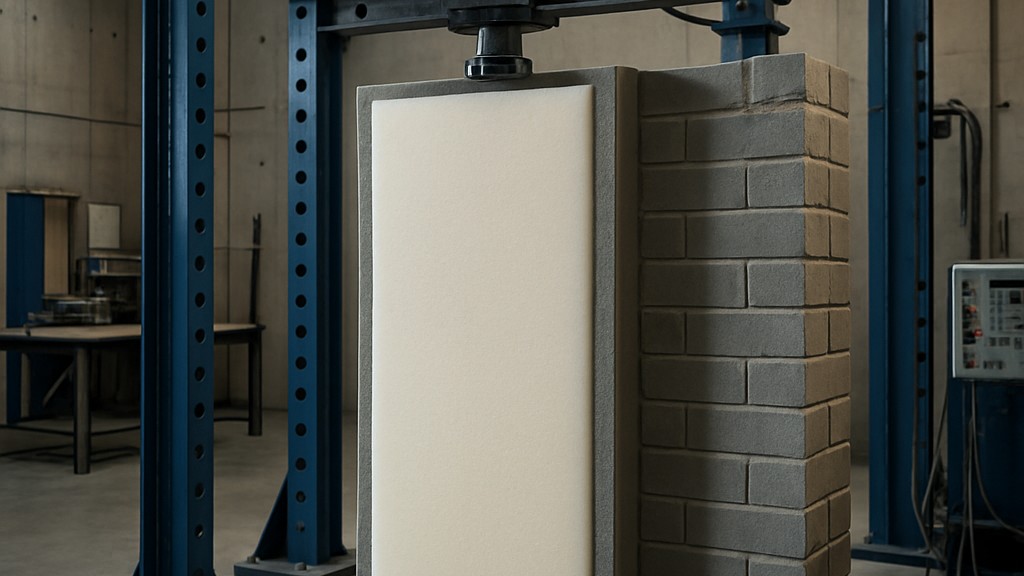
This standard describes product characteristics and includes procedures for testing, conformity assessment, marking, and labeling. Products covered by this standard are also used in prefabricated thermal insulation systems and composite panels; the performance of systems incorporating these products is not covered. Furthermore, this standard does not specify the required level of a particular characteristic that a product must achieve to demonstrate fitness for purpose in a particular application. The levels required for a specific application are found in regulations or non-conflicting standards.
Products with a declared thermal resistance at 10°C of less than 0,5 m2K/W or a declared thermal conductivity greater than 0,050 W/(m K) are excluded from the scope of this standard. This standard does not cover in-situ insulation products or products designed for use in insulating building equipment and industrial plants (these are covered by EN 14313). Blister films, foils, and similar non-foamed materials are also excluded.
To comply with this standard, products must meet the requirements of this standard. Additional requirements for multilayer products are included in the annex to the standard (Annex C).
A test result for a product property is the average of the values measured on the number of test samples specified in the table given in the standard.
Thermal resistance and thermal conductivity shall be based on measurements carried out in accordance with EN 12667 or EN 12939 for thick products. Thermal resistance and thermal conductivity shall be determined in accordance with Annex A and declared by the manufacturer as follows:
Length and width must be determined in accordance with standard EN 822. No test result must deviate from the nominal values by more than the tolerances given in the table.
The thickness must be determined in accordance with standard EN 823. No test result shall deviate from the nominal thickness by more than the tolerances given in the table for the declared level or class.
Thermal insulation plays a critical role in improving energy efficiency, comfort, and sustainability in buildings. The EN 16069 standard defines the essential requirements for a specific insulation material: expanded perlite (EP). This standard ensures that insulation products made from EP meet consistent quality and performance levels for safe and efficient use in construction. This standard is part of a broader framework of European standards governing thermal insulation products used in building facades. Specifically, the EN 16069 standard specifies specifications for factory-made expanded perlite (EP) boards used as thermal insulation. This standard applies only to products used to insulate buildings, not to industrial facilities or civil engineering structures.
The scope of the EN 16069 standard includes:
Expanded perlite is a volcanic glass that, when heated, transforms into a lightweight, porous material with excellent thermal and acoustic insulation properties.
The EN 16069 standard outlines specific performance characteristics that EP insulation products must meet, these include:
The EN 16069 standard refers to several standard test methods, including:
These tests are necessary to verify whether a product meets the specifications of the standard.
Manufacturers who comply with EN 16069 can mark their products as conforming to the EU Construction Products Directive (CPR) by affixing the CE marking. This standard acts as a harmonized technical specification, ensuring that products are legally placed on the European market.
The EN 16069 standard is considered important for the following reasons:
In summary, the EN 16069 standard plays a vital role in standardizing thermal insulation materials made from expanded perlite. By establishing clear performance requirements and test methods, it helps ensure energy-efficient, durable, and safe building insulation. As a result, this standard is relied upon to support high-performance construction and meet regulatory demands across Europe.
Our organization, which has been supporting businesses across all sectors for years through a wide range of testing, measurement, analysis, and evaluation activities, boasts a strong team of employees who closely follow global developments in science and technology and are constantly improving themselves. In this context, we also provide testing services in accordance with the EN 16069 Thermal insulation products for buildings - Factory-produced products made of polyethylene foam (PEF) - Specification."
To get an appointment, to get more detailed information or to request an evaluation, you can ask us to fill in our form and reach you.

