
NORSOK M-101 Structural Steel Fabrication

NORSOK M-101 Structural Steel Fabrication

The “NORSOK M-101 Structural steel fabrication” standard, developed by the Norwegian oil industry, describes the requirements for the fabrication and inspection of offshore steel structures with a specified minimum yield strength of up to 500 MPa and a minimum design temperature of minus 14 degrees Celsius.
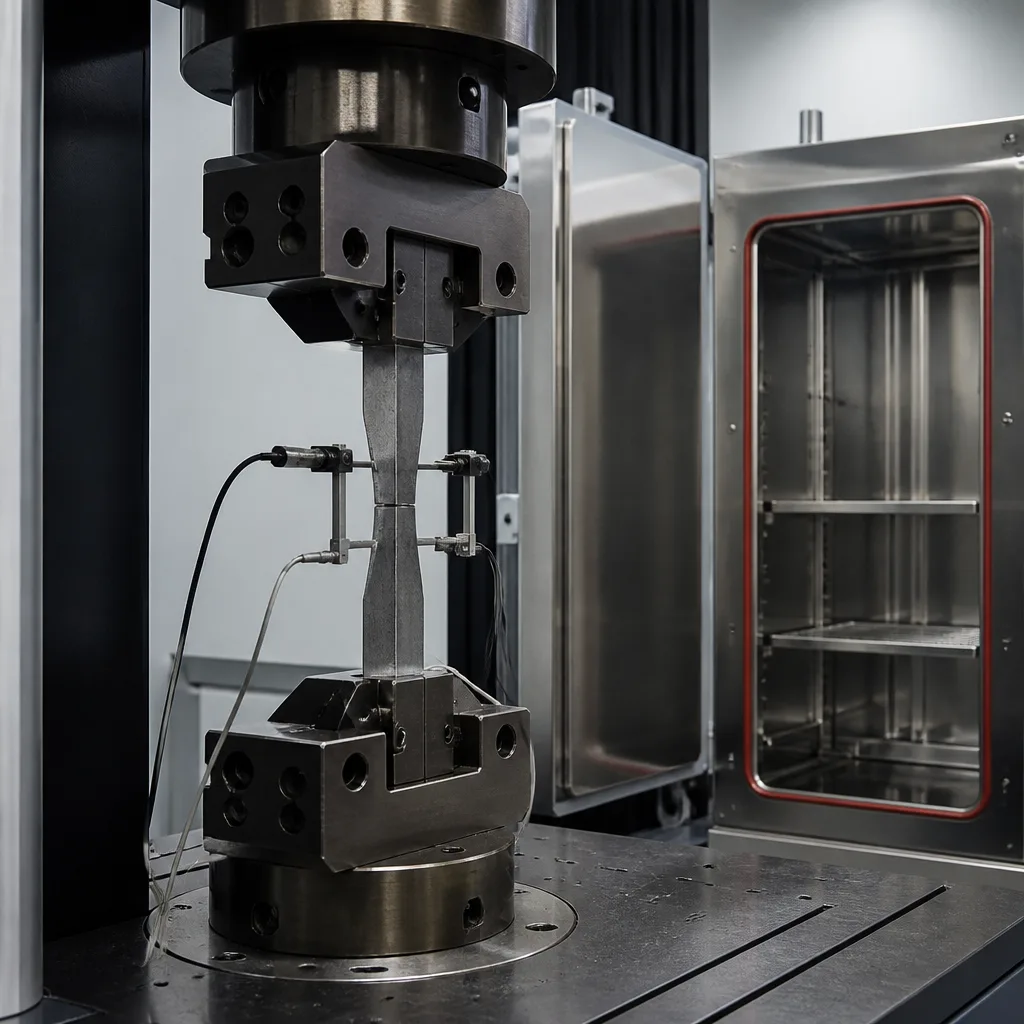
NORSOK M-101 Structural Steel Fabrication

Lower minimum design temperatures require project-specific evaluations. For special applications, steels with a specified minimum yield strength of up to 690 MPa may be used.

Stricter requirements may apply to structures with high fatigue resistance, and these are indicated in the design drawings.

The NORSOK M-101 standard is a significant engineering standard developed as part of the broader NORSOK standards framework. It provides detailed requirements for the fabrication and inspection of structural steel used specifically in offshore oil and gas facilities.

This standard reflects decades of operational experience on the Norwegian continental shelf and aims to ensure safety, reliability, and cost-effectiveness in challenging offshore environments.

The NORSOK M-101 standard defines the following requirements:

  • Manufacturing of offshore steel structures.
  • Inspection and quality control processes
  • Sourcing and joining procedures
  • Dimensional tolerances and acceptance criteria

This standard generally applies to the following:

  • Offshore platforms (jackets, superstructures)
  • Floating production units (floating production, storage and unloading)
  • Submarine structures and components

This standard generally covers steels with a specified minimum yield strength of up to 500 MPa and structures designed for low-temperature service conditions.

The basic technical requirements have been defined as follows:

  • Material selection: While material selection is addressed more broadly in other standards, this standard ensures that the selected steels meet the manufacturing and performance requirements specifically for the following:
    • Resistance
    • Satiety at low temperatures
    • Fatigue resistance
  • Resource requirements: Resources are a key focus of the standard. It specifies the following:
    • Characterization of sourcing procedures
    • Certification of welders
    • Requirements for welding consumables
    • Heat ingress control and defect prevention.

Strict acceptance criteria have been defined; for example, cracks in welds are not permitted, regardless of size, reflecting the critical safety requirements in offshore operations.

  • Manufacturing and tolerances: This standard sets limits for:
    • Dimensional tolerances
    • Alignment and assembly
    • Deterioration control

These ensure that the manufactured components meet design specifications and can be assembled without compromising structural integrity.

  • Inspection and non-destructive testing (NDT): Inspection plays a crucial role in compliance. This standard includes:
    • Ultrasonic testing
    • Radiographic test
    • Visual inspection requirements

Acceptance criteria for defects are clearly defined according to inspection categories and structural criticality.

  • Repair and rework: If defects are identified,
    • Repair welding procedures must be qualified.
    • Repaired areas should be re-examined.
    • Documentation is mandatory.

This ensures traceability and consistent quality.

  • Appendices and supplementary guidance: This standard includes both normative and informative appendices covering the following topics:
    • Welding consumable qualification
    • Manufacturing tolerances
    • Inspection checkpoints
    • The use of stainless steel and nickel alloys.

These appendices provide detailed technical guidance for engineers and supervisors.

The latest update to this standard includes the following changes:

  • Updated temperature classifications (including arctic conditions)
  • Extended requirements for bolted connections.
  • Improved long-term design life considerations (up to 50 years)

The NORSOK M-101 standard is important because offshore structures operate in conditions where minor defects can lead to catastrophic consequences. The main reasons why this standard is considered necessary are as follows:

  • Extreme offshore conditions: Structures on offshore platforms face the following:
    • Continuous wave load and fatigue
    • Strong winds and dynamic forces
    • Low temperatures (especially in arctic regions)

Without strict manufacturing regulations, even minor welding defects can develop into cracks under cyclic loading, leading to structural failure.

  • Welding is a critical weak point: most structural failures in steel structures originate from welds, not the base material. This standard mandates the following:
    • Strict sourcing procedure competence
    • Certified welders
    • Zero tolerance for critical defects such as cracks.

This reduces the likelihood of failure in the most vulnerable areas of a structure.

  • Personnel and environmental safety: Offshore platforms carry hundreds of workers and vast quantities of hydrocarbons. A structural failure can lead to loss of life, environmental disasters, and significant economic damage. This standard minimizes these risks through rigorous quality control and inspection requirements.
  • Preventing costly failures and repairs: Repairing offshore structures is extremely expensive and complex. This standard helps prevent this by applying high manufacturing quality, tight tolerances, and comprehensive inspection (NDT).
    • Reprocessing during construction
    • Unexpected stoppages
    • Long-term maintenance issues
  • Consistency between contractors and projects: Offshore projects involve multiple contractors from different countries. This standard ensures:
    • A unified set of manufacturing and inspection rules
    • Clear acceptance criteria

This prevents misunderstandings, disagreements, and inconsistent quality.

  • Long service life requirements: Offshore structures are typically designed for a 20–50 year operational life. This standard ensures:
    • Fatigue resistance
    • Material performance at low temperatures
    • Reliable source integrity for decades.

In conclusion, the NORSOK M-101 standard is a fundamental standard for offshore structural steel fabrication. By defining rigorous requirements for welding, inspection, and fabrication processes, it ensures that offshore structures are safe, reliable, and suitable for long-term service in some of the world's most challenging environments.

For many years, our organization, with its competent and experienced staff, has been understanding the needs of its clients, providing the advanced testing services they require, and assisting them in the establishment, implementation, and improvement of management systems. Within this framework, we also provide testing services in accordance with the NORSOK M-101 standard.

WhatsApp

