Aerospace industries require materials and components to meet high-level performance, reliability and safety standards. Therefore, it is vital that the materials and components used in these sectors undergo extensive testing. Aerospace testing helps develop materials and components with properties such as high strength, durability, lightness and resistance to extreme environmental conditions. Here are the main components of aerospace testing:
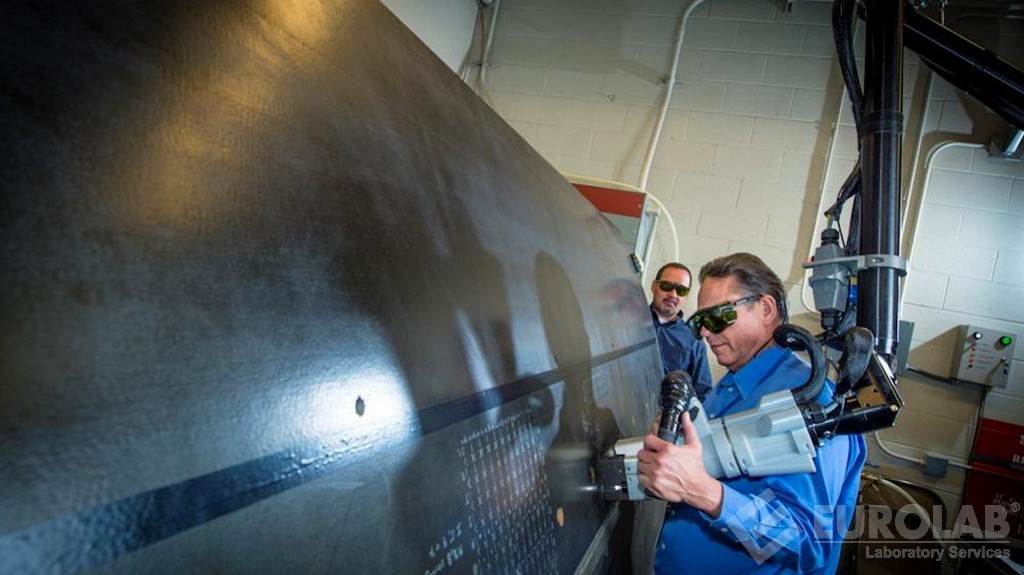
Structural Tests
- Static Load Test: Aircraft fuselages, wings and other structural components are tested under designed maximum loads. These tests determine the limits of materials and structures.
- Fatigue Test: These are tests performed to evaluate how materials and structures perform under long-term use conditions. This reveals how durable the material is under repeated loading.
- Impact and Crash Test: It is performed to test how components and structures react in impact and collision situations.
Environmental Tests
- Thermal Test: Materials and components are tested under extreme temperature conditions. These tests measure the resistance of materials and components to temperature changes that they may be exposed to during space and high-altitude flights.
- Vibration Test: Aviation and space vehicles may be exposed to intense vibrations due to engine and aerodynamic forces. Vibration tests evaluate the durability and functionality of components under these conditions.
- Corrosion Test: The resistance of materials and coatings to moisture, salt water and other environmental factors that may cause corrosion is tested.
Electrical and Electronic Tests
- Electromagnetic Compatibility (EMC) and Electromagnetic Interference (EMI) Tests: The capacity of electronic components and systems to absorb and emit electromagnetic waves is evaluated. These tests are important to ensure the safe and effective operation of aviation and spacecraft.
Material Performance Tests
- Tensile, Compression and Flexural Tests: The mechanical properties of metallic and composite materials used in aerospace applications are evaluated under various loadings.
- High Speed Photography: During structural tests, material and structural deformations are examined using high-speed cameras.
Aerospace testing is critical to ensuring the safety, performance and reliability of products in these industries. These tests allow engineers and designers to develop safer, lighter and more durable aerospace vehicles. As a result, aerospace testing is one of the cornerstones of innovation and development in these high-tech sectors.



