

The “AATCC™ 100 Test Method for Antibacterial Coatings in Textiles” standard, published by the American Association of Textile Chemists and Colorists (AATCC), describes a quantitative test method for evaluating the degree of antibacterial activity. The assessment of antibacterial activity on a textile material is determined by the intended degree of antibacterial activity for the use of such materials. If only bacteriostatic activity (inhibition of growth) is intended, a qualitative procedure that clearly demonstrates antibacterial activity, compared to the absence of such activity in an untreated sample, is acceptable. However, if bactericidal activity is intended, quantitative assessment is necessary. Quantitative assessment also provides a clearer picture of the potential uses of such treated textile materials.
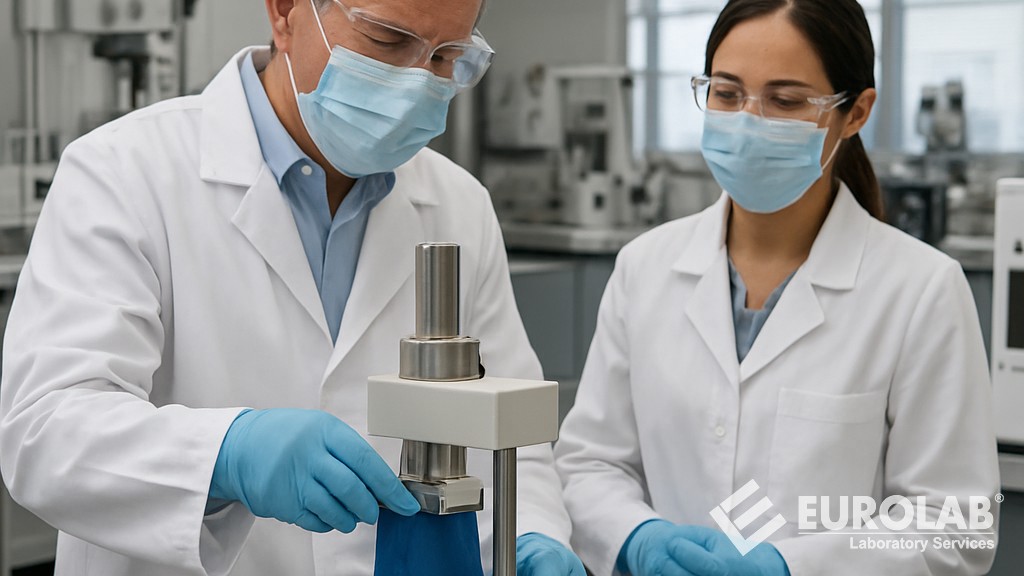
The AATCC™ 100 standard is a widely recognized standard. It evaluates the effectiveness of antibacterial treatments applied to textiles and measures both bacteriostatic (inhibition of bacterial growth) and bactericidal (killing of bacteria) activity. This method addresses modern antimicrobial technologies with reduced environmental impact. The latest revision of this standard has increased reproducibility by standardizing critical steps and reduced variability in interlaboratory results.
Antimicrobial textiles are found in everyday products such as clothing, sportswear, bedding, and medical garments (e.g., surgical gowns, wound dressings). These finishes combat odor-causing bacteria, reduce the risk of infection, and extend fabric life. Manufacturers use the AATCC™ 100 standard to verify claims, meet regulatory requirements (such as FDA thresholds for medical devices), and compare treatment efficacy.
This test method is a quantitative test that provides numerical data (typically as a percentage or logarithmic decrease) about bacterial reduction, in contrast to qualitative methods such as AATCC TM 147 (parallel lines showing inhibition zones).
This testing method generally includes the following steps:
Neutralization steps ensure that the antimicrobial agent leaves no residue and prevents the results from being falsely distorted.
Tests typically reveal significant differences between treated and untreated samples. Petri dishes or plates show intense bacterial growth in control samples, while treated fabrics show minimal or no bacterial growth.
The main advantages of this method are as follows:
While this method is rigorous, it is time-consuming and uses rich nutrient materials for worst-case scenarios. This standard complements other standards such as JIS L 1902 or ISO 20743.
This method plays a crucial role in ensuring the real-world performance of antimicrobial textile products and contributing to hygiene and health in various applications.
In short, the AATCC™ 100 standard provides a standardized test method developed to evaluate the antibacterial properties of treated textile materials. It is considered one of the industry's leading methods for quantitatively assessing how well antimicrobial treatments perform when in direct contact with microorganisms.
The primary purpose of the AATCC™ 100 standard is to quantitatively measure the antibacterial activity of textile materials treated with antimicrobial finishes. Unlike qualitative methods that indicate the presence or absence of activity, this standard provides precise data on the degree of reduction in microbial populations resulting from the treatment.
The described test method evaluates two types of antimicrobial activity:
This standard is widely used in industries where antimicrobial performance is important, such as medical textiles, sportswear, filtration materials, and healthcare products.
The AATCC™ 100 standard is used by textile manufacturers, testing laboratories, and regulatory bodies for the following purposes:
Depending on regional or sectoral requirements, it is often used in conjunction with other international standards.
Although this test method does not evaluate antiviral effects, it remains a fundamental tool in textile antimicrobial testing and quality assurance.
For many years, our organization, with its competent and experienced staff, has been understanding the needs of its clients, providing the advanced testing services they require, and assisting in the establishment, implementation, and improvement of management systems. Within this framework, we also provide testing services to businesses in accordance with the "AATCC TM 100 Test method for antibacterial coatings on textile materials" standard.
To get an appointment, to get more detailed information or to request an evaluation, you can ask us to fill in our form and reach you.

