

The European standard "EN 16732 Sliding fasteners (zips) - Technical specifications" specifies performance levels and test methods for the following characteristics of sliding fasteners manufactured from interlocking components assembled on tapes: pull-in connection, closed end, top stop, open-end sliding fastener box, reciprocating mechanism, closed sliding fastener when extended laterally, open-end sliding fastener when extended laterally, sliding locking device and single-beam sliding retention and sliding torque resistance of the open-end sliding fastener.
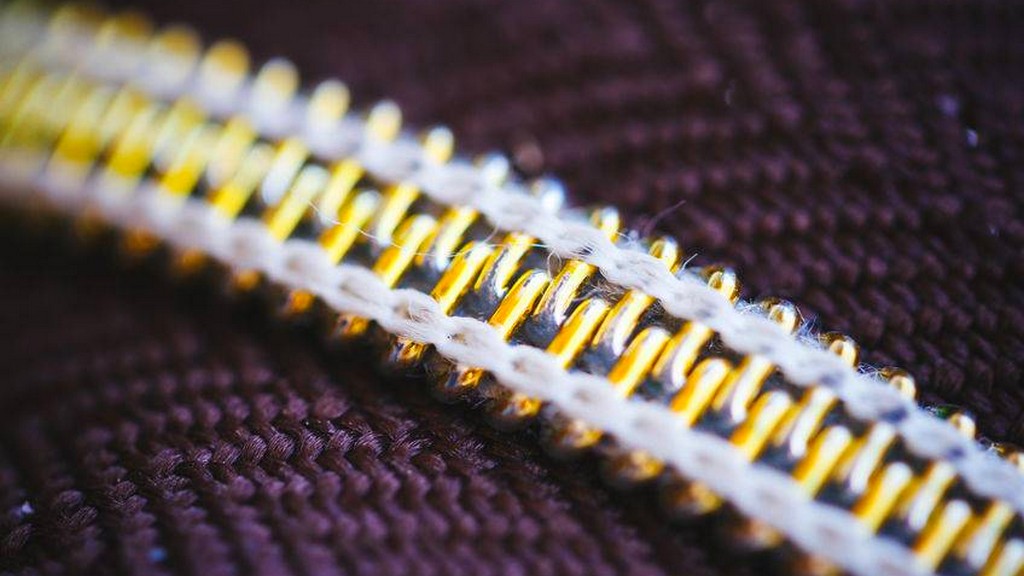
The tests described in the annexes to this standard are specifically designed to allow their direct application to finished slide fasteners (Annexes B to K) to provide the user with acceptable assurance that a slide fastener conforming to the requirements of this standard will satisfactorily perform its intended purpose. Annex L also contains information on sampling procedures for bulk quantities of slide fasteners.
This standard also includes performance levels for colour fastness to washing, dry cleaning and water, and dimensional stability to washing and dry cleaning. This standard is applicable to general-purpose slide fasteners and does not apply to special-purpose slide fasteners (e.g., pressure-sealed slide fasteners for diving suits).
When subjected to the tests specified in this standard (in accordance with the specifications of the slide fastener design to be tested), new slide fastener samples shall comply with the tables entitled “Performance requirements for slide fasteners according to end use” and “Additional performance requirements for slide fasteners for children's goods” given in the standard, with the exception of slide fastener length measurements.
The overall performance of the slide fastener, as determined by the minimum test results, should be the lowest performance rating achieved by any test specimen for any valid test. Consideration should be given to using the sampling procedures outlined in Annex L regarding the interpretation of potential outliers. Multiple tests on the same slide fastener are permissible, but care should be taken to ensure that damage sustained during testing does not affect subsequent test results.
At least three specimens must be tested for each valid test. Failure of any part of the slide fastener before the specified force or number of cycles is achieved in any of these tests is considered failure of the specimen. For larger batches, the sampling scheme in Annex L for acceptance criteria should be used, and the number of specimens for each test should be increased accordingly.
Annex L provides information on a suitable sampling procedure for bulk quantities of slip joints. Annex M provides information on end-use and performance codes.
In short, EN 16732 is the first European standard to specify performance levels and test methods for hook-and-loop fasteners, also known as zippers. It replaces the previous British Standard BS 3084 and provides a unified framework for assessing the quality and safety of zippers used in a variety of applications, including clothing, accessories, and specialty garments such as children's wear.
Hook-and-loop fasteners are critical components in clothing and other products that require consistent performance to ensure functionality and safety. This standard incorporates and expands the British standard by introducing additional requirements to address safety concerns, particularly for children's zippers. It is considered a quality standard and is frequently referenced in product manuals, but is not mandatory unless otherwise specified.
The EN 16732 standard applies to slide fasteners manufactured from interlocking components assembled into textile tapes. It defines performance levels and test methods for various characteristics, ensuring that zippers meet specific durability, strength, and security criteria. This standard covers zippers for general use and provides specific performance codes for different uses, such as casual wear, heavy-duty clothing, and children's clothing. It also includes detailed test procedures to evaluate the mechanical and physical properties of zippers.
The EN 16732 standard specifies the performance requirements for the following properties of slide fasteners:
This standard also includes the following requirements:
One of the significant additions made to the EN 16732 standard compared to the BS 3084 standard is the addition of two specific requirements that address safety concerns for zippers used in children's clothing:
These additions demonstrate a focus on improving safety for children's products.
The annexes to the EN 16732 standard describe specific test methods designed to be applied directly to finished zippers (Annexes B to K). These tests ensure that zippers meet the performance requirements for their intended use. For example:
This standard also provides performance codes for different end uses, such as lightweight apparel, heavy-duty outerwear, or children's clothing. These codes help manufacturers properly label zippers and ensure they meet the required performance levels for specific applications. Annex L provides guidance on sampling procedures for bulk zippers, while Annex M provides recommendations for end-use performance codes.
Our organization, which has been operating for many years and meticulously follows global developments in science and technology, conducts testing, measurement, and analysis in a wide range of areas for businesses across all sectors with a skilled team and extensive infrastructure. In this context, we also provide testing services in accordance with the "EN 16732 Sliding connectors (zippers) - Technical Specifications" standard.
To get an appointment, to get more detailed information or to request an evaluation, you can ask us to fill in our form and reach you.

