

The ISO 9073-3 standard, developed by the International Standards Organization (ISO), describes a test method for determining the tensile properties of non-woven fabrics by the shear strip method. Abnormalities may occur when testing some spunlaid and glass fiber nonwovens. This requires modification of the test procedure.
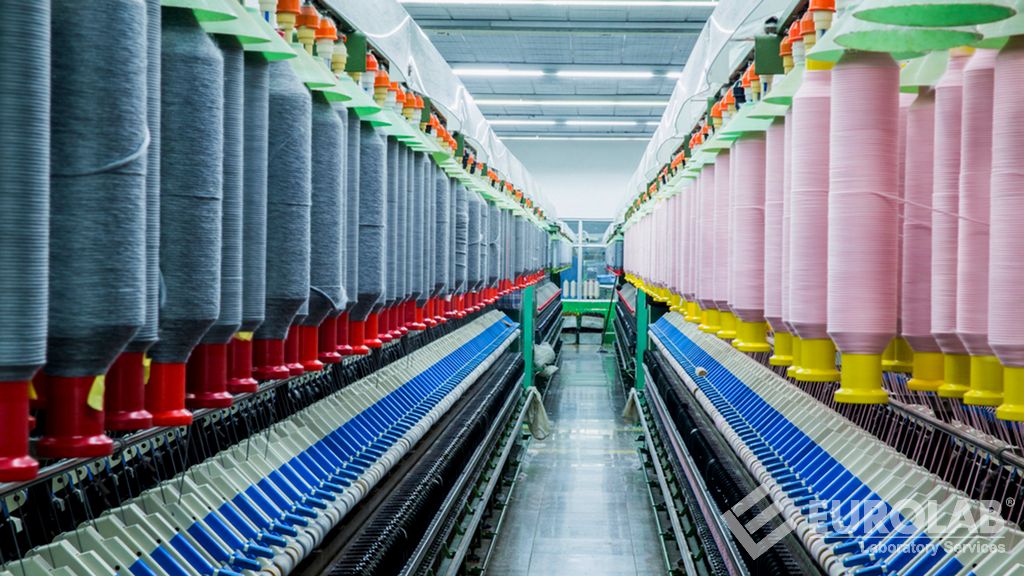
Although non-woven fabrics are classified within the textile sector, it is accepted that non-woven fabrics have technologically common features not only with textile products, but also with paper or plastic products.
The ISO 5081 standard describes a test method (strip method) for determining the breaking strength and elongation of woven fabrics. However, alternative requirements to those listed in the ISO 5081 standard are described in ISO 9073-3 to meet the specific needs of nonwovens. These requirements are:
The force at break of material is generally known as tensile strength or ultimate tensile strength, which refers to tension. Elongation is measured by applying tensile force or stretching the material in the same manner as previously described and determining the change in length from the original.
Tensile (tensile) strength is often used as qualification criteria when specifying rubber and polyurethane materials. It also serves as control criteria when testing finished products such as tubes and belts. Tensile strength is usually measured as the amount of force required to pull a specimen to the point of material failure.
Elongation is measured by applying tensile force or stretching the material in the same way as previously described and determining the change in length from the original. The elongation is expressed as a percentage of the original length. Ultimate elongation is the percent change in length from original to break.
It is important to know and consider when a material will fail. However, lower modulus data is more important when comparing materials for a particular application.
Among the numerous tests, measurements, analyses, and evaluations our organization provides for businesses in various sectors, we also offer testing services for the determination of tensile strength and elongation of nonwoven fabrics within the scope of the ISO 9073-3 standard, thanks to our trained and expert staff and advanced technological equipment.
To get an appointment, to get more detailed information or to request an evaluation, you can ask us to fill in our form and reach you.

