SES N 3244 Fabric Durability Requirements
Developed by Suzuki Motor Corporation as part of its interior materials/textile standards, the “SES N 3244 Fabric Durability Requirements” standard is a specification that defines the durability performance of automotive textile materials. This standard is specifically used to guarantee the long-term performance of vehicle interior fabrics (such as seat upholstery, door panel fabric, and headliner).
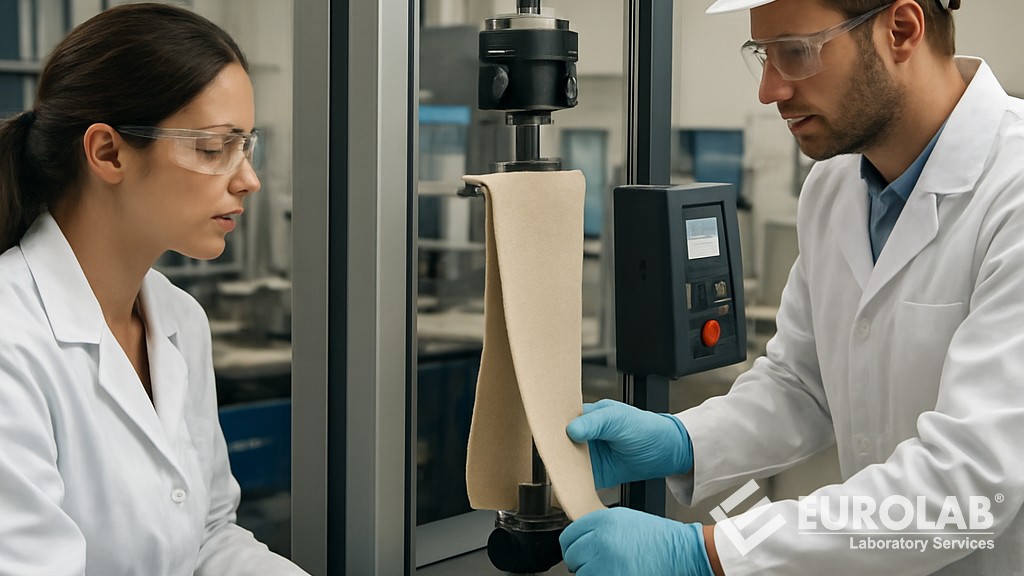
The purpose of this standard is to evaluate fabrics used in the automotive industry in the following aspects:
- Its resistance to mechanical stresses.
- Its resistance to wear and tear.
- Long-term usage performance
This standard aims to maintain aesthetic and functional quality throughout the vehicle's lifespan.
In the automotive industry, fabric durability requirements are used to define, test, and control how textile materials perform over time under real vehicle conditions. This ensures that interior fabrics remain strong, safe, and visually acceptable throughout the life of the vehicle.
Durability requirements are used by engineers and suppliers during the design phase when selecting materials, to choose the right fabric for each application:
- Seat upholstery: High abrasion and tensile strength.
- Door panels: Moderate wear, good appearance protection.
- Ceiling panels: Low weight, high sag resistance.
At this stage, the minimum performance criteria defined in the SES N 3244 standard are required.
The selected fabrics are tested against durability requirements during laboratory tests in the verification phase:
- Wear tests: Simulate repeated sitting and friction.
- Tensile and tear tests: Measure strength under load.
- Lining tests: Evaluate surface abrasion (pilling).
- Flexibility/fatigue tests: Simulate long-term use.
Only materials that pass these tests are approved for production.
Automotive original equipment manufacturers require the following from their suppliers for quality control:
- Providing certified test results based on the SES N 3244 standard.
- To maintain consistent production quality.
- Performing periodic retests
This ensures consistency in fabric durability across batches.
Durability requirements, in terms of component design integration, influence how parts are designed:
- Reinforced seams in high-voltage areas.
- Multilayer laminated fabrics for better strength.
- Foam backing to reduce stress concentration.
Engineers design components to work in conjunction with fabric properties.
- After integration, the fabrics are tested under full vehicle conditions:
- Seat durability tests (thousands of seating cycles)
- Climate (temperature and humidity) aging tests
- UV exposure simulations
These tests validate real-world durability performance.
Durability requirements help manufacturers in the following areas:
- Estimating product lifecycle
- Reducing warranty claims (tear, fading, wear)
- Maintaining brand quality perception.
In short, the SES N 3244 standard generally covers the following materials:
- Woven and knitted fabrics
- Laminated textiles
- Upholstery fabrics for chairs
- Door and interior trim fabric coverings
Suzuki SES standards are generally used to define the performance of automotive textiles, plastics, and interior trim materials.
The SES N 3244 standard evaluates fabric durability using the following tests:
- Abrasion resistance: Martindale or similar methods are used. The time it takes for the fabric surface to wear out is measured.
- Tear strength: This determines the fabric's resistance to tearing under sudden load.
- Tensile strength: Determines the maximum force the fabric can withstand before breaking.
- Seam strength: This determines the resistance of the seam areas to opening or breaking. It's also an important criterion in other Suzuki standards.
- Linting resistance: This determines the degree to which linting occurs on the surface during use.
- Folding strength: Determined by the deformation after repeated bending.
The SES N 3244 standard plays a critical role in the following areas:
- Seat upholstery: Performance under constant sitting, friction, and load.
- Door and interior trim panels: Check for wear due to passenger contact.
- Ceiling and side panel fabrics: Prevent sagging and deformation over time.
- Commercial vehicles: Higher durability requirements.
The SES N 3244 standard is generally considered in conjunction with the following standards:
- SES N 3245 Fire Resistance
- SES N 3246 Carpet and flooring quality assessment
- SES N 3247 Seam and elasticity tests
- SES N 3294 Abrasion, pilling and lightfastness tests
The SES N 3244 standard is essential in the automotive industry due to the intense and prolonged exposure of vehicle interior fabrics to mechanical and environmental stress. Without a clear standard, quality can vary greatly and lead to failures. This standard is considered important for the following reasons:
- Ensures long-term performance: Automotive fabrics should last 10-15 years under the following conditions:
- Prolonged sitting and friction
- Repeated input/output cycles
- Temperature and humidity changes
This standard defines minimum durability limits to prevent premature degradation of materials.
- It prevents premature failures: Without durability requirements, the following common problems could arise:
- Tearing of upholstery fabric
- Excessive wear (signs of wear)
- Hair growth (surface hair growth)
- Opening stitches
These standards ensure that fabrics can withstand real-world stresses.
- Reduces warranty costs: Substandard materials lead to customer complaints, repairs and replacements, and damage to brand reputation. By implementing durability criteria, original equipment manufacturers minimize costly warranty claims.
- Maintaining customer satisfaction: Vehicle interiors are constantly in contact with the environment. Worn seats create a perception of low quality, and fabric deformation is a source of discomfort. Durable fabrics help maintain a superior look and feel over time.
- It standardizes supplier quality: Automotive manufacturing involves many suppliers. This standard ensures that all suppliers meet the same performance level.
- It supports engineering design: Designers rely on durability data to select appropriate materials, design seams and structures, and determine product lifespan.
- It provides measurable test criteria: This standard defines how durability is tested using criteria such as wear cycles, tensile strength values, and tear resistance limits.
In conclusion, the SES N 3244 standard is a critical Suzuki standard that defines the mechanical durability and long-lasting performance of automotive fabrics. It ensures that interior textiles are preserved both aesthetically and functionally for many years.
For many years, our organization, with its competent and experienced team, has been understanding the needs of its clients, providing the advanced testing services they require, and assisting them in the establishment, implementation, and improvement of management systems. Within this framework, we also provide testing services compliant with the SES N 3244 standard.



