

The standard "ASTM D2257 Standard Test Method for Extractable Matter in Textiles" published by the American Society for Testing and Materials (ASTM) describes a test method for determining the amount of extractable matter in most fibers, yarns and fabrics.
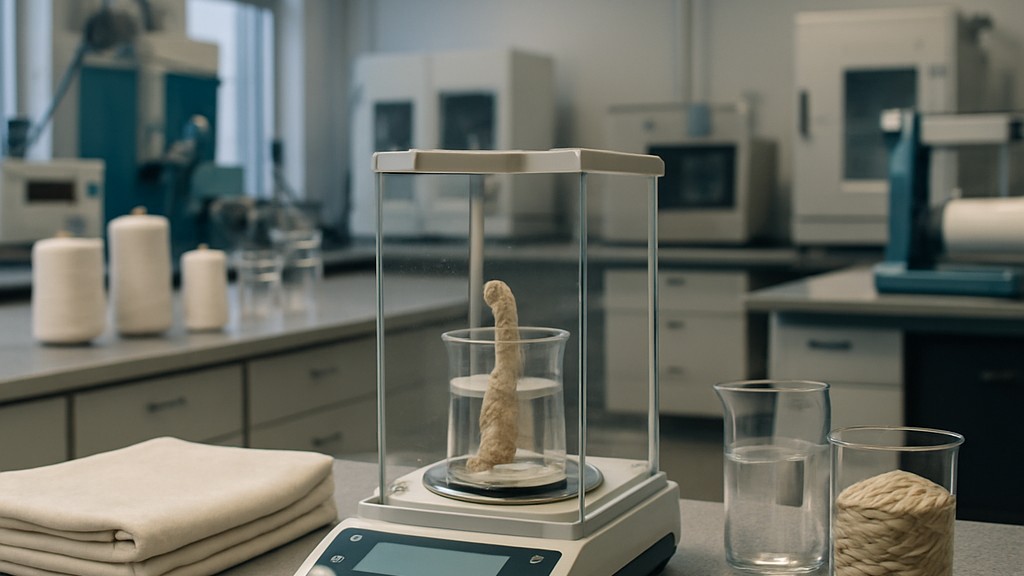
This standard offers three options.
The solvents used in these methods may vary depending on the agreement between the parties. Common options include halogenated hydrocarbons (e.g., chloroform, tetrachloroethane), isopropyl alcohol, or methyl alcohol. The choice of solvent depends on the textile material and the target substance being removed.
Other standards for determining extractable matter in textiles made from certain fibers include:
The solvents to be used in this method are those agreed upon by the parties involved, such as halogenated hydrocarbons such as chloroform, tetrachloroethane, and alcohol (isopropyl or methyl).
This test method may not remove cross-linked finishes or resins that may be present in textiles.
This test method can be used in acceptance testing of commercial shipments. In the event of a dispute arising from differences in test results reported using this test method in acceptance testing of commercial shipments, the buyer and supplier should conduct comparative tests to determine whether a statistical deviation exists between laboratories. Competent statistical assistance is recommended for investigating the deviation. At a minimum, the two parties should obtain a group of test samples consisting of as homogeneous a number of materials of the type in question as possible. The test samples should then be randomly assigned in equal numbers to each laboratory for testing. The average results from the two laboratories should be compared before testing begins, using appropriate statistical analysis and a probability level chosen by both parties. If a deviation is detected, either the cause must be identified and corrected, or the buyer and supplier must agree to interpret future test results taking into account the known deviation.
This test method is used to determine the amount of oily or waxy impurities naturally present in textile products made from animal fibers that have not been completely removed, and the amount of oily or waxy finishing materials applied to raw materials or textile products during production.
This testing method can be used as a step in determining the commercial weight of fiber, yarn and textile shipments.
The International Wool Textile Organization requires the use of dichloromethane, also known as methylene chloride, a halogenated hydrocarbon, instead of the solvent specified in this test method.
Mass loss extractables are often used for textiles that contain a relatively large amount of extractables to achieve a significant mass change.
In short, ASTM D2257 is a widely accepted procedure developed to determine the amount of extractables in fibers, yarns, and fabrics. This standard is critical for quality control in the textile industry, ensuring that textile products meet specific performance and safety requirements. Extractables refer to substances such as oils, waxes, lubricants, or finishes that can be removed from textiles using solvents.
The ASTM D2257 standard is applicable to a wide variety of textiles, but cannot remove cross-linked finishes or resins that are chemically bonded to the material.
ASTM D2257 is primarily used for acceptance testing of commercial textile shipments. It helps manufacturers, suppliers, and buyers verify that textile products meet specified quality standards by measuring non-fiber materials that could affect performance, appearance, or safety. For example, excessive amounts of extractable material may indicate the presence of processing residues that could affect dyeability, comfort, or durability.
In cases of disagreement regarding test results, this standard recommends comparative testing between laboratories to identify potential statistical deviations. This ensures consistency and reliability in quality assessments across different testing facilities. This standard also references relevant standards for specific fibers, such as ASTM D541, ASTM D681, and ASTM D1574, which focus on extractable matter in jute, wool, and other animal fibers.
The ASTM D2257 standard is widely used in the textile industry for the following purposes:
While versatile, the ASTM D2257 standard has its limitations. It may not effectively remove cross-linked surfaces or resins, requiring alternative testing methods. Furthermore, the choice of solvent and extraction method can influence results and require clear agreements between testing parties. Safety precautions are also critical, as some solvents (e.g., halogenated hydrocarbons) pose health and environmental risks. Users should establish appropriate safety practices and adhere to regulatory restrictions.
As a result, the ASTM D2257 standard is an essential tool for the textile industry, providing a reliable and flexible approach to subtractable materials measurement. Three testing options adapt to a variety of laboratory environments, while its emphasis on safety and standardization ensures consistent and reproducible results. By enabling quality control and compliance testing, this standard supports the production of high-quality textile products that meet industry and regulatory standards.
Our organization, which has been operating for many years and meticulously follows global developments in science and technology, employs a skilled team and extensive infrastructure to conduct testing, measurement, and analysis in a wide range of areas for businesses across all sectors. In this context, we also provide testing services in accordance with ASTM D2257 Standard Test Method for Extractable Matter in Textiles.
To get an appointment, to get more detailed information or to request an evaluation, you can ask us to fill in our form and reach you.

